 Sunday, September 20, 2026
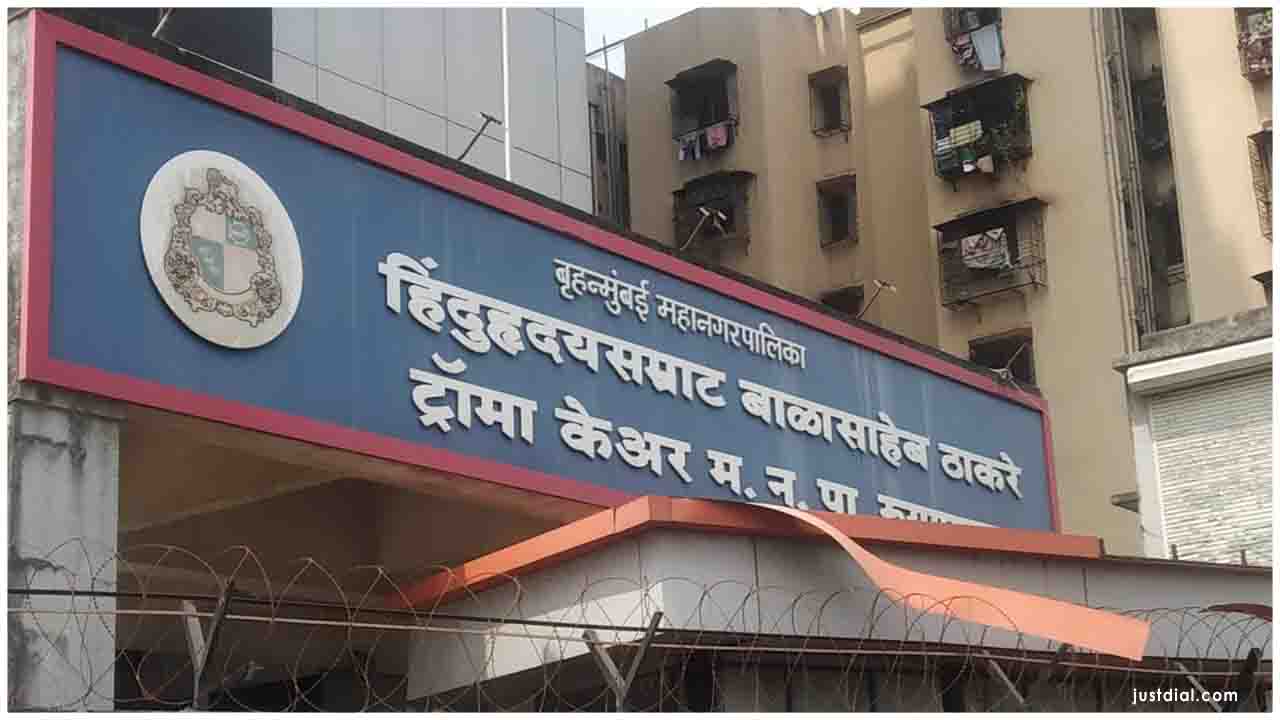
 Around 90 per cent of patients are in dire need of oxygen at the 200-bed facility




The scarcity looms following overwhelming COVID-19 cases in Mumbai alone where the BMC-run Jogeshwari hospital in the suburbs fail to be consistent with supply of oxygen to Coronavirus patients, leading to 12 deaths in two weeks, as reported.
Reportedly, according to the doctors, despite their repeated notification about the grim situation went unaddressed. Now, doctors at the HBT trauma centre in Jogeshwari for COVID patients have now written a to Dr Vidya Mane, the medical superintendent of the hospital, steering clear that they should not be held responsible for the deaths in the ICU. They also mentioned that their mental health is being affected after seeing patients dying gasping for breath.
Around 90 per cent of patients are in dire need of oxygen at the 200-bed facility. “Out of the 25 beds in the ICU, you will find at least 15 machines, which say ‘Low O2 Pressure’, a resident doctor was quoted as saying on condition of anonymity.
Another doctor recalls how two patients were gasping for breath in the ICU and needed 8 to 10 litres of oxygen per minute. But, the supply was very slow and there was a continuous alert beep of low pressure on the screen by the time he could fix the pressure with the hospital technician, both patients had succumbed
One of the resident doctors repents to have lost one steadily recovering patient to have lost life because of the same inadequate Oxygen pressure in the ICU. “What’s the point of putting in so much of effort if we can’t save the lives of patients because of such issues,” he was quoted as saying by a leading newspaper.
Conforming to doctors treating COVID patients, patients who get admitted mostly suffer from moderate to severe breathing difficulty, as it is a primary symptom of the deadly virus. Each requires 3 to 10 litres of oxygen per minute.
Dr Vidya Mane medical superintendent of the hospital reportedly accepted that the hospital is currently struggling to satisfy the demand of oxygen but she denied any death owing to the low oxygen supply.
“When we started 50 Covid-19 beds the need was 100 jumbo oxygen cylinders, now with 200 beds, we've increased the cylinders to 350. it's true that our demand is more because currently, we are becoming many critical cases, nearly all of them need oxygen support. Patients have died because they reached the hospital during a critical stage,” Dr Mane was quoted as saying.
The hospital has apparently placed an order for 500 cylinders after resident doctors brought the difficulty to her notice. Dr Mane further added that the HBT trauma hospital isn't fit installation of an outsized oxygen liquid tank as per fire safety norms.





.jpeg)


.jpg)



.jpg)
.jpg)
.jpg)
.jpg)
.jpg)
.jpg)

.jpg)
.jpg)
.jpg)
.jpg)