 Thursday, October 08, 2026
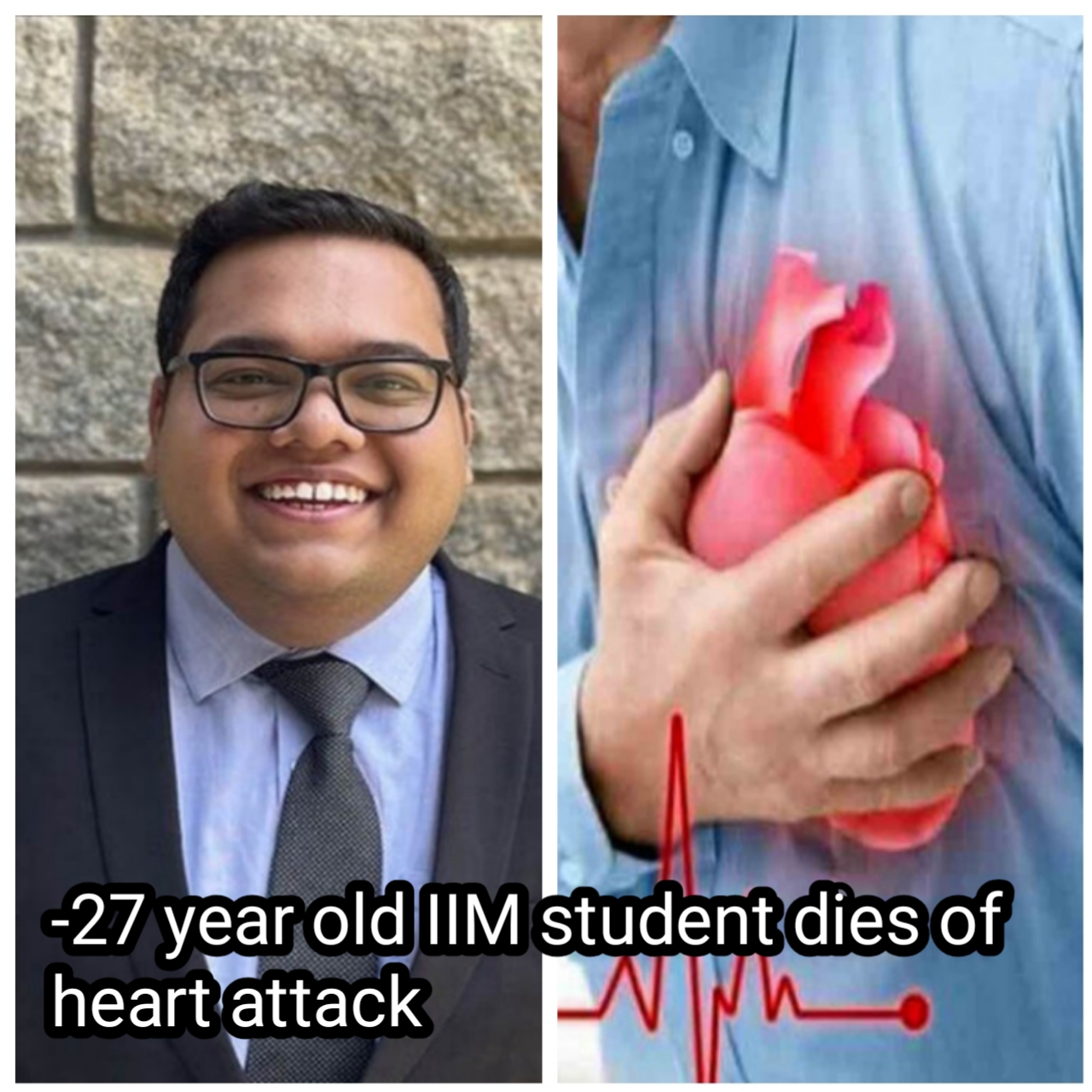
 In a shocking turn of events, a 27-year-old student from IIM Bangalore, a premier educational institution, tragically lost his life to a heart attack. The news of such a young and promising life cut short has left many people stunned and bewildered. While this is just one instance, it represents a growing trend that demands our attention.




Heart attacks have long been associated with older age groups and commonly viewed as a health concern for the elderly. However, in recent years, there has been a concerning increase in heart attacks occurring among individuals in their mid-20s. This alarming trend demands attention as it poses a significant threat to the younger population's well-being and calls for a deeper understanding of the risk factors contributing to this phenomenon.
The institute said “we are extremely saddened about the sudden demise of our second-year PGP student Ayush Gupta, who suffered a cardiac arrest, this afternoon.”
Understanding the Trend
The incident at IIM Bangalore is not an isolated case. Across the globe, medical professionals are witnessing a rise in heart attacks among individuals in their mid-20s. This concerning trend has prompted experts to explore the underlying factors responsible for the shift in the demographics of heart attack victims.
Causes and Risk Factors
1. Obesity: The prevalence of obesity in young adults has surged, primarily due to unhealthy eating habits and a lack of physical activity. Excessive body weight puts added strain on the heart, elevating the risk of heart attacks.
2. Sedentary Lifestyle: Modern living often involves long hours of sitting, whether at work or during leisure time. The lack of regular exercise weakens the heart muscles and contributes to an increased risk of heart attacks.
3. Poor Diet: The popularity of fast food and highly processed meals has led to a rise in unhealthy diets high in saturated fats, sodium, and added sugars. These diets can lead to high cholesterol levels, hypertension, and ultimately, heart attacks.
4. Smoking and Substance Abuse: Smoking cigarettes and using recreational drugs can severely damage the cardiovascular system and significantly increase the likelihood of a heart attack.
5. Stress and Mental Health: The demanding and fast-paced lifestyle of today's young adults often leads to chronic stress, anxiety, and depression. These mental health issues can indirectly impact heart health through unhealthy coping mechanisms like overeating, smoking, or excessive drinking.
6. Undiagnosed Medical Conditions: Some young adults may have undiagnosed medical conditions that increase their vulnerability to heart attacks, such as hypertension, diabetes, or high cholesterol.
7.Illicit Substance Use: The use of illegal drugs can have severe consequences on the cardiovascular system, leading to heart attacks, arrhythmias, and other life-threatening conditions.
Prevention and Awareness
- Regular Health Check-ups: Encourage young adults to undergo regular medical check-ups to monitor blood pressure, cholesterol levels, and overall heart health.
- Balanced Diet: Promote a balanced diet rich in fruits, vegetables, whole grains, and lean proteins, while limiting the consumption of processed and high-calorie foods.
- Physical Activity: Encourage young adults to engage in regular physical activity, aiming for at least 150 minutes of moderate-intensity exercise per week.
- Stress Management: Emphasize the importance of stress management techniques such as mindfulness, yoga, or hobbies to reduce stress and anxiety.
-
Avoiding Substance Abuse: Raise awareness about the detrimental effects of smoking and illicit drug use on heart health.
The increasing prevalence of heart attacks in mid-20s is a stark reminder that heart health is not solely an issue for the elderly. Unhealthy lifestyle choices, obesity, stress, and genetic factors all play a role in the rising concern. By promoting awareness, encouraging healthier habits, and providing necessary resources, we can empower young adults to take charge of their heart health and reduce the risk of heart attacks, leading to a healthier and more resilient future generation.





.jpeg)










.jpg)
.jpg)
.jpg)
.jpg)
.jpg)
.jpg)


.jpg)