 Wednesday, October 28, 2026
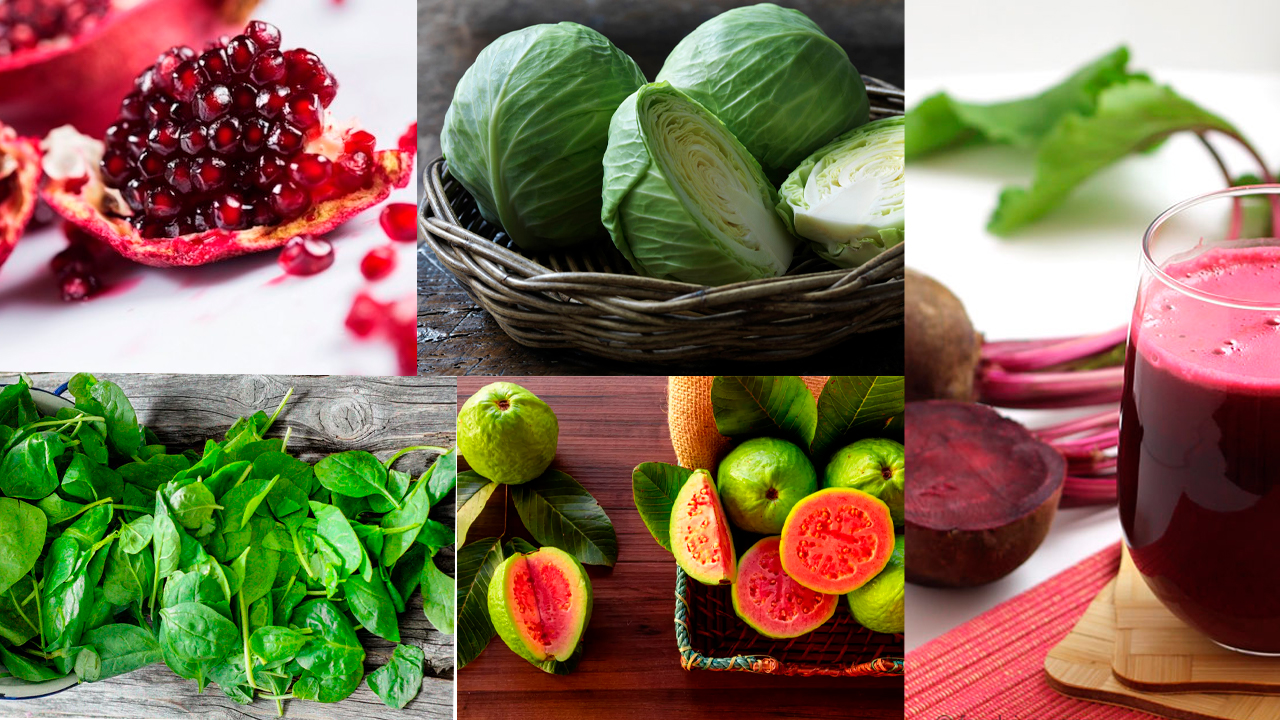
 Iron is a very important element in the body. Eating iron rich foods can work in maintaining Hb levels in the blood. Let us check out some iron rich foods which are trending this winter season.




Many types of nutrients are necessary to keep the body healthy. Like protein, vitamins, and calcium, iron is also very important for health. Iron works to increase hemoglobin in the body. Lack of iron in the body hinders the formation of blood cells, which can lead to other health problems. Iron deficiency can cause problems like weakness and fatigue. By making changes in the diet, you can meet the iron deficiency in the body. Especially, in the winter season, many such fruits and vegetables come into the market, in which iron is found in abundance. By including these fruits and vegetables in your diet, you can fulfill the iron deficiency in the body. So let us know which fruits and vegetables you should consume to meet your iron deficiency in winter.
5 Iron Rich Winter Fruits And Vegetables
Spinach
In winter, many green-leafy vegetables are available in the market. Eating spinach in winter is very beneficial for health. Iron is present in abundance in it. Apart from this, nutrients like calcium, protein, sodium, chlorine, phosphorus, and minerals are also present in spinach. By eating spinach, iron content and Hb levels are maintained in the blood. You can make Palak Paneer, Spinach Saag, Soups, and Smoothies in winter.
Beetroot
With the onset of winter, red and fresh beetroot is available in the market. Beetroot is rich in nutrients like iron, folate, potassium, and fiber. Iron deficiency in the body can be overcome by eating beetroot. Eating beetroot increases the level of hemoglobin, so it is recommended to eat beetroot for anemia. You can consume it by making beetroot salad, smoothie, or juice.
Guava
Guavas are also available in the market during winter. Guava must be eaten in winter, as it is rich in iron. Apart from this, a good amount of vitamins and fiber are also present in guava. There is no deficiency of hemoglobin in the body by eating ripe guava. The consumption of guava is very beneficial in the cause of anemia. Apart from this, eating guava boosts immunity and removes the problem of constipation.
Cabbage
Cabbage must be eaten in winter. Cabbage is rich in iron. Eating cabbage increases hemoglobin in the body. Eating cabbage helps in eliminating iron deficiency and is beneficial in the problem of constipation. Apart from this, eating cabbage also helps in reducing weight.
Pomegranate
With the onset of winter, fresh-red pomegranates are available in the market. Pomegranate is rich in iron. Eating pomegranates in winter eliminates the problem of lack of blood in the body. In addition, it contains antioxidants, which boost immunity. Pomegranate contains a high amount of fiber, so eating pomegranate also eliminates the problem of constipation.




-23-300x250.png)

.jpeg)








.jpg)
.jpg)
.jpg)
.jpg)
.jpg)
.jpg)
.jpg)
.jpg)
.jpg)

