 Tuesday, October 27, 2026
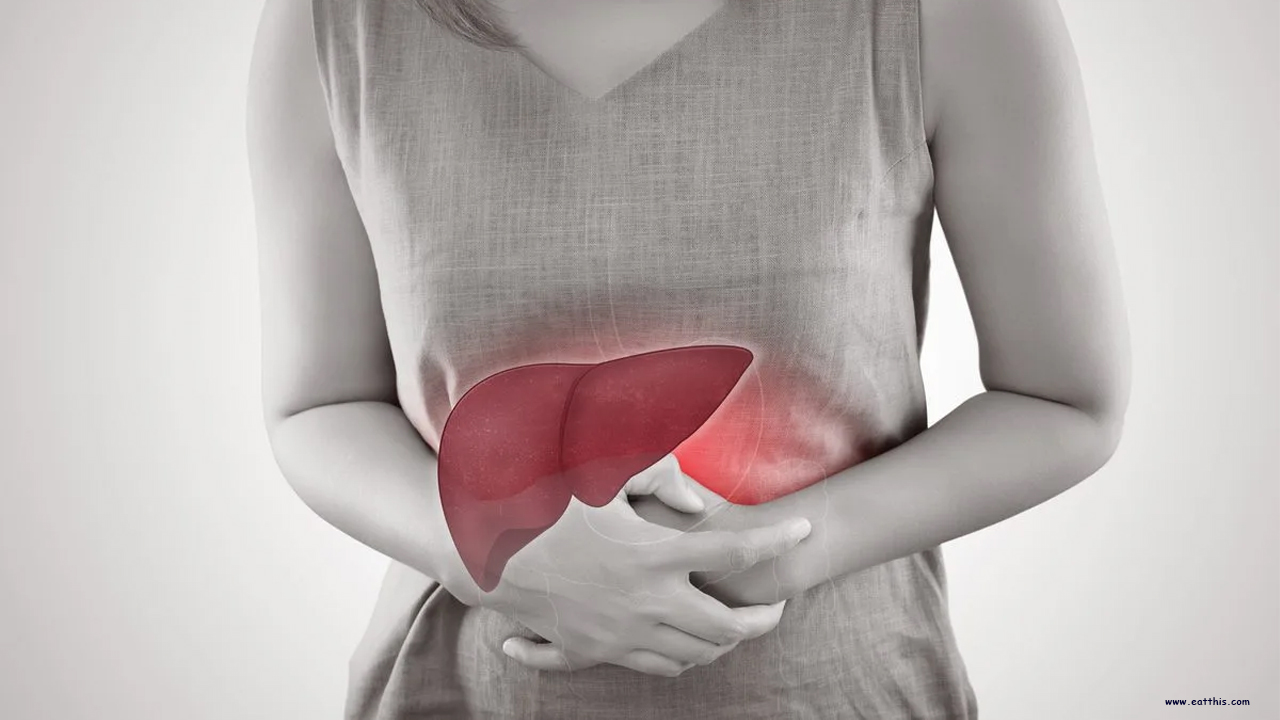
 From the digestion of food by the use of bile juice to removing toxins from the blood, the liver does it all. Undiagnosed conditions of the liver can cause severe complications such as liver failure and even death. Identifying the early signs of liver malfunctioning can help you to act accordingly and timely.





Our liver plays some of the very vital functions of our body. From digestion of food by the use of bile juice to removing toxins from the blood, the liver does it all. The liver actively takes part in the body’s metabolic and synthetic functions. And any problem in the liver may directly lead to improper functioning of the whole-body system. Undiagnosed conditions of liver problems can cause severe complications such as liver failure and even death. Identifying the early signs of liver malfunctioning can help you to act accordingly and timely. Here are some early warning signs which should never be ignored.
Jaundice – Pale yellow coloring of skin and eyes is considered Jaundice. In some cases, even the urine appears to be yellow. It is the most important telltale sign of liver damage or some underlying health issues. During Jaundice, the liver is not able to absorb excess production of bilirubin and then convert it into bile. This bile is then used in the process of digestion and the excess amount is removed through stools.
Skin problems – Improper functioning of the liver results in a higher accumulation of bile salt beneath the skin that further causes itchy and flaky skin. Skin problems become much more common in liver malfunctioning. However, skin problems are not seen in every patient, some may show this sign and others may not.
Frequent bruising and bleeding – Frequent bruising and wounds taking a long time to heal are also signs of improper functioning of the liver. Bleeding excessively after an injury is because of a lack of specific proteins needed for blood clotting. This protein is produced by the liver whose production may get hampered by liver malfunctioning.
Fatigue and tiredness – The reason is not yet known but it is among the common signs of liver malfunctioning.
Nausea – The ability of the liver to filter out toxins gets decreased and this results in a build-up of toxin levels, thereby causing nausea.
Abdominal swelling – Damaged liver causes fluid retention in the abdomen. Leg and ankles may also swell due to fluid retention.
Some other common signs of a liver malfunctioning
- Pain in the upper right abdomen
- Loss of appetite
- Vomiting
- Sleepiness
- Tremors
- Lack of concentration
If you notice any of these symptoms, don’t hesitate to go to the doctor and get yourself checked. Early diagnosis and timely treatment are keys to faster and successful recovery
(Disclaimer: The content on this site is for informational purposes only, and should not be taken as professional medical advice. Always seek the guidance of your doctor or other health professionals for any questions you may have regarding your health or a medical condition.)




-23-300x250.png)

.jpeg)








.jpg)
.jpg)
.jpg)
.jpg)
.jpg)
.jpg)
.jpg)
.jpg)
.jpg)

