 Thursday, October 08, 2026
 Serum Institute Chief clarified about India trial




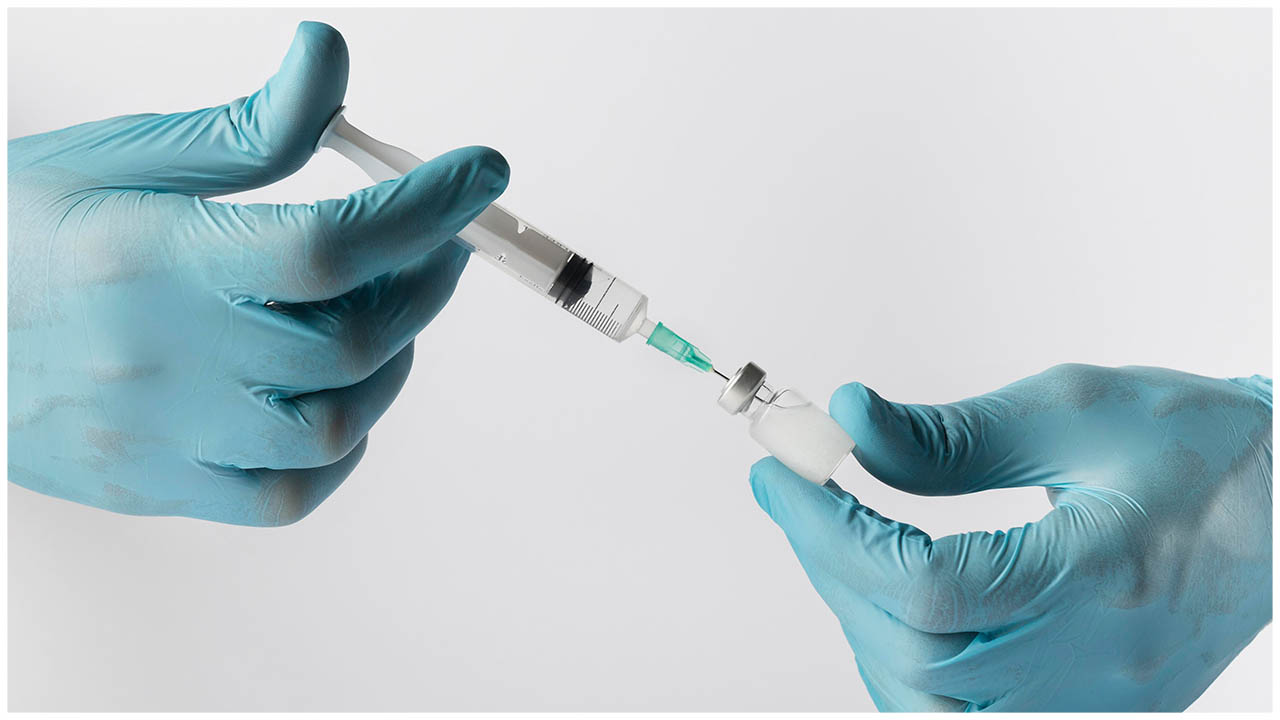
Reacting to the news report of AstraZeneca halting the vaccine trial after one of the volunteers developed illness, Serum Institute of India CEO Adar Poonawalla on Wednesday said it will not have any impact on the trial of India’s Covid-19 vaccine. He said that AstraZeneca has paused the trial for further review and will restart soon. Also Read - DCGI Issues Notice to Serum Institute Over Suspension of COVID Vaccine Trial by AstraZeneca Abroad
“We can’t comment much on the UK trials, but they have been paused for further review and they hope to restart soon. As far as Indian trials are concerned, it is continuing and we have faced no issues at all,” Poonawalla said.
Meanwhile, Drug Controller General of India (DCGI) has issued a notice to the Serum Institute for non-disclosure of information that the Oxford Covid vaccine trial has been discontinued in Britain. The participants in the vaccine trials discontinued the AstraZeneca Covid vaccine tests because they were ill. DCGI has issued a show cause notice to vaccine maker Serum Institute of India seeking clarification on this.
Some sources have confirmed that showcause has issued a notice to the DCGI for not disclosing the trial results that led to the illness of one of the participants in the UK trials of the AstraZeneca vaccine. The Serum Institute is an Indian manufacturer of the Covid vaccine, developed by the Jenner Institute of Oxford University in collaboration with the British-Swedish pharmaceutical company AstraZeneca.
The Oxford Covid vaccine is considered the most promising vaccine worldwide. In a notice to the Serum Institute, the DCGI questioned that "the Central Licensing Authority has not been informed about the withholding of clinical trials conducted by AstraZeneca in other countries."
The showcause notice questioned why the vaccine candidate should not be allowed to conduct Phase 2, 3 clinical trials in India until safety is established for the patients. Last month, the DCGI approved the Pune-based Serum Institute to conduct phase 2, 3 human clinical trials of the corona virus vaccine involving 1,000 people in 17 hospitals across the country.
Meanwhile, in the last 24 hours, India has scaled a new high of recoveries. The total number of recovered patients in a single day has surged to a record 74,894. With this, the total number of recoveries has touched 33,98,844 taking the Recovery Rate to 77.77%. The total number of recoveries on a weekly basis has increased from 1,53,118 during the third week of July to 4,84,068 in the first week of September 2020. A total of 89,706 new cases have been reported in the last 24 hours, of which Maharashtra has alone contributed more than 20,000 and Andhra Pradesh has contributed more than 10,000. 60% of the new cases are reported from only 5 States. The total number of active cases in the country stands at 8,97,394 as on date. Maharashtra is leading this tally with more than 2,40,000 whereas Karnataka and Andhra Pradesh follow with more than 96,000 each. Five States of Maharashtra, Karnataka, Andhra Pradesh, Uttar Pradesh and Tamil Nadu contribute 61% of the total active cases. A total of 1,115 deaths have been registered in the past 24 hours. Maharashtra has reported 380 deaths followed by Karnataka with 146 deaths, whereas Tamil Nadu has logged 87 deaths.






.jpeg)








.jpg)
.jpg)
.jpg)
.jpg)
.jpg)
.jpg)


.jpg)
.jpg)
.jpg)