 Thursday, October 08, 2026
 ARCI & Vehant Technologies co-develop UV System for baggage Scan Disinfection to fight COVID 19




Both domestic and international travel has been a major reason for the spread of the COVID 19 infection. Baggage, an inevitable part of travel involves handling by multiple people and can be contact points for the spread of the virus and should be disinfected quickly each time they change hands. With an increase in the passenger traffic at airports, railway stations and commercial establishments during the post-lockdown period, there is an immediate necessity for a rapid system for the baggage disinfection within few seconds to effectively fight against COVID-19.
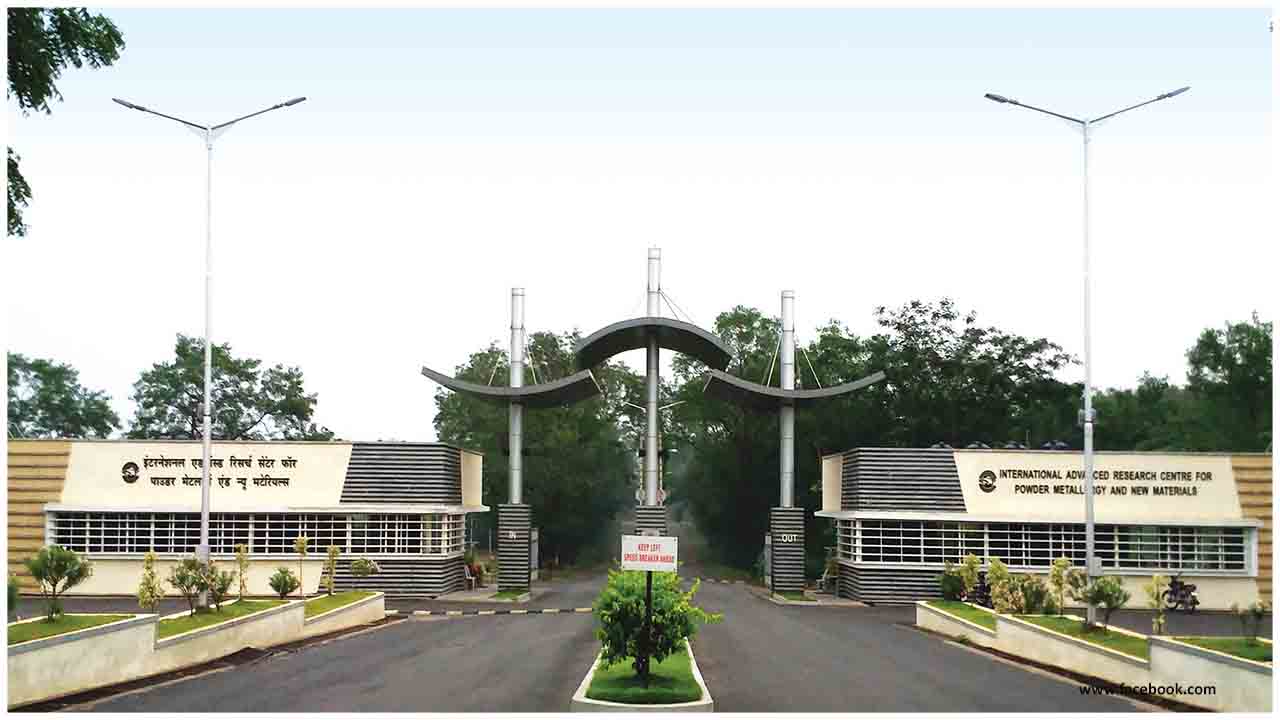
In order to control the spread of infection through baggage, International Advanced Research Centre for Powder Metallurgy and New Materials (ARCI), Hyderabad, an autonomous R&D Centre of Department of Science and Technology (DST), Govt. of India and Vehant Technologies, Noida has co-developed KritiScan UV Baggage Disinfection System.
The compact UVC conveyor system developed can efficiently disinfect the baggage passing through the conveyor within a few seconds and is suitable for use in airports, railway and bus stations, hotels, commercial and private establishments for rapid disinfection of baggage.
UVC based disinfection systems are known for their rapid disinfection capability, and the disinfection process is dry and chemical-free. UVC irradiation at 254 nm is known for its germicidal properties where no chemical residues are left behind. UVC light, when irradiated on an infected surface, quickly disrupts the genetic material in the virus and thus inhibits its multiplication.
The Kritiscan UV advanced baggage disinfecting system has a specially designed motorized conveyor to guide the baggage into the disinfection tunnel, which uses UVC light (254 nm) with appropriate irradiance to inactivate microbes and viruses. The UV-C lamps used in the system are well shielded and hence pose no harm to staff or passengers in the vicinity of the system. However, any human intervention is strongly advised against when the UVC sources are on.
Dr G. Padmanabhan, Director, International Advanced Research Centre for Powder Metallurgy and New Materials (ARCI) said, “ARCI with its past experience in UVC based disinfection systems provided inputs such as UV dosage levels and guidance in mapping the UVC intensities in the disinfection tunnel so that required intensity is available at all requisite locations. Vehant Technologies, with its prior experience and expertise in developing and producing KritiScan UV Baggage Disinfection Systems, has been able to develop KritiScan UVC system in recordtime“.
“Vehant Technologies has been working round the clock during this COVID-19 crisis with the sole aim of keeping people safe. Since the baggage of the passengers can be a medium of the spread of the infection, we have jointly developed the KritiScan UV Baggage Disinfection system with ARCI. The sensing mechanism in the chamber automatically detects the entry of any item into it and powers the system and disinfects the 360-degree surface of any baggage,” said Mr. Kapil Bardeja, CEO and Co-Founder, Vehant Technologies.
“A slew of innovations such as this are making travel safe in the time of virus to allow economic growth while fully addressing the health concerns,” said Prof Ashutosh Sharma, Secretary, DST.






.jpeg)








.jpg)
.jpg)
.jpg)
.jpg)
.jpg)
.jpg)


.jpg)
.jpg)
.jpg)