 Thursday, October 08, 2026
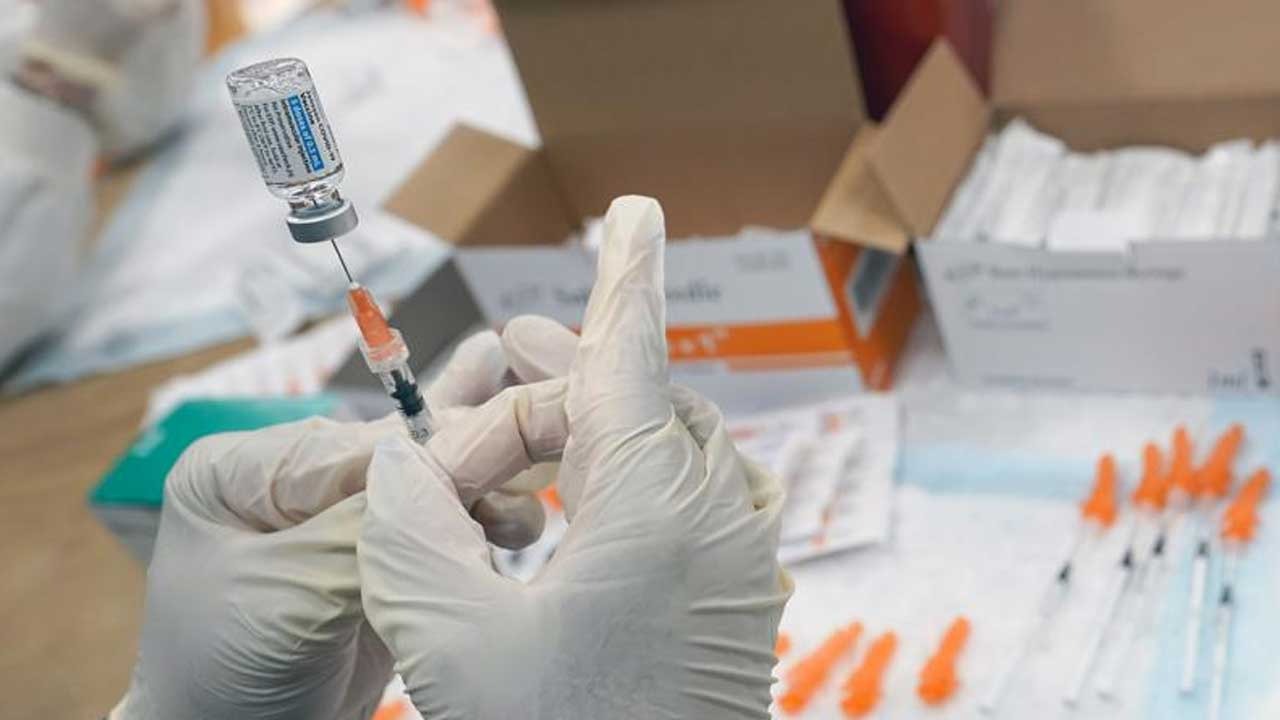
 America is recommending the administration of booster shots eight months after being fully vaccinated. Know more about a booster shot





Booster shot – An additional dose of an immunizing agent such as vaccine or toxoid given at a time after the initial dose to sustain the immune response elicited by the previous dose of the same agent.
America is recommending the administration of booster shots eight months after the second dose of the COVID19 vaccine. The booster shots would be given once the vaccines are fully approved by the Food and Drug Administration and the Centres for Disease Control and Prevention signs off on them. Studies on mixing the vaccines are still going on. Americans will be receiving boosters of the same vaccine they were administered for their first two doses.
In India, the majority of population is yet to receive both doses of the COVID 19 vaccine. However, people are a little confused on whether those who received both doses need a booster dose. Vaccine manufacturers claim a booster dose may be needed for – prolonging the immunity and to fight off the mutant variants of COVID19. The booster shot is mainly for transplant recipients and other people with weakened immune systems.
Countries like France, Germany, Israel are thinking of a booster shot for their population who have received both the doses of vaccine just like the US and UK.
“There is not enough data to support the requirement of third dose or booster shot. By now, we know that vaccines cannot prevent the transmission of infection. They protect against severe disease and mortality. Two doses of all vaccines available currently are sufficient to achieve that,” Dr. Randeep Guleria, Director at AIIMS.
The World Health Organisation has also put a brake on booster doses till the end of September to enable at least 10% of the global population to be vaccinated. By now, 4 billion vaccine doses have been administered across the world.
Meanwhile, “Bharat Biotech is working on a combination of Covaxin followed by the nasal vaccine which if administered can act as a booster dose and protect a person from getting infected,” Mr. Krishna Ella, Chairman and MD of Bharat Biotech.
If the nasal vaccine works out well, Bharat Biotech will increase the production capacity. Presently, Bharat Biotech is supplying 2-2.5 crores doses of Covaxin per month which can get increased to 5.8 crores doses in the next few months. The company expects some more important data on the combination of these two which will decide the future course of action.





.jpeg)










.jpg)
.jpg)
.jpg)
.jpg)
.jpg)
.jpg)


.jpg)