 Thursday, October 08, 2026
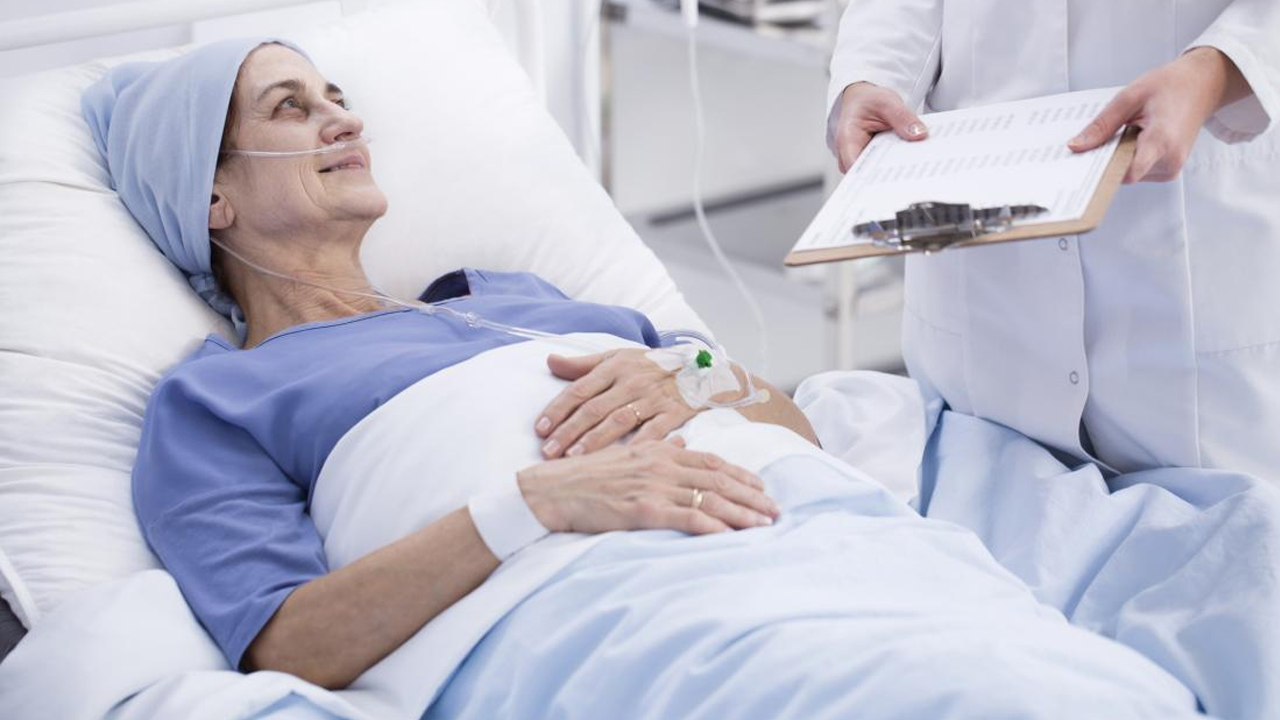
 Cancer treatments can permanently change your body. Living a healthy lifestyle is way more helpful in recovering from surgeries or treatment. Here are some tips for the same.





Cancer treatments can permanently change your body. Your body shape and size fluctuate substantially. The treatment can change your body parts, hair, and skin. The after-effects (physical) of treatment can be seen for months or even years. Some changes are noticeable while others are not. People often do a second treatment to lessen the side effects or after-effects of cancer treatment. However, living a healthy lifestyle is way more helpful in recovering from surgeries or treatment.
After-effects of cancer treatment
Lethargy – Continuous lethargy is one of the most common side effects caused by cancer and cancer treatment. Lethargy is described as exhaustion, and tiredness that doesn't go away even after taking ample rest. It may last from a few hours to weeks and months. Tiredness can be the result of mental stress, surgical pain, and sleep disruptions. Thus, it is difficult to treat as there are no approved medicines for this.
Pain at surgery site – Surgical scars take time to heal. These scars are more prominent right after the treatment and get lessened with time. Surgeries often give discomfort, inflammation, and pain. Thanks to newer advanced techniques of surgical procedures that are minimally invasive with lesser blood loss and pain.
Hormonal changes – Cancer treatment not only alters physical appearance but also causes changes in certain hormones. The treatment changes the hormonal levels of the body permanently or temporarily. To minimize the effects of these changes, hormonal therapy can also be given. Some of the side effects are changes in sexual health, sleep alterations, weight gain, etc.
Restricted movements – Motion range is restricted after any kind of surgery. Radiation or chemotherapy also restricts you to do physical activity. Apart from this, continuous fatigue limits your ability to do daily activities or body movements. But this improves with time and physiotherapy.
Tips to recover fast from cancer treatment
Eat a well-balanced diet – This is important for a healthy heart and to reduce the risk of cancer treatment. A healthy diet is full of essential nutrients, vitamins, and minerals needed for a healthy body. Hydration is the key, drink plenty of water. Limit unhealthy foods like refined, processed foods, and sugary products.
Physical activity – Regular physical activity is necessary for physical and mental well-being. It improves your strength, immunity, and endurance along with mental health and peace. Rigorous or high-intensity exercises are not needed. A normal walk for 30 minutes a day will solve the purpose. You can consult your doctor for exercises that are safe in your case.
Sleep and stress – One can reduce stress by practicing relaxation techniques like yoga, and meditation. Getting quality sleep each night will also help in reducing mental stress. Chronic stress can weaken your immune system and hence try to stay away from it.
(Disclaimer: The content on this site is for informational purposes only, and should not be taken as professional medical advice. Always seek the guidance of your doctor or other health professionals for any questions you may have regarding your health or a medical condition.)





.jpeg)








.jpg)
.jpg)
.jpg)
.jpg)
.jpg)
.jpg)


.jpg)
.jpg)
.jpg)