 Monday, October 12, 2026
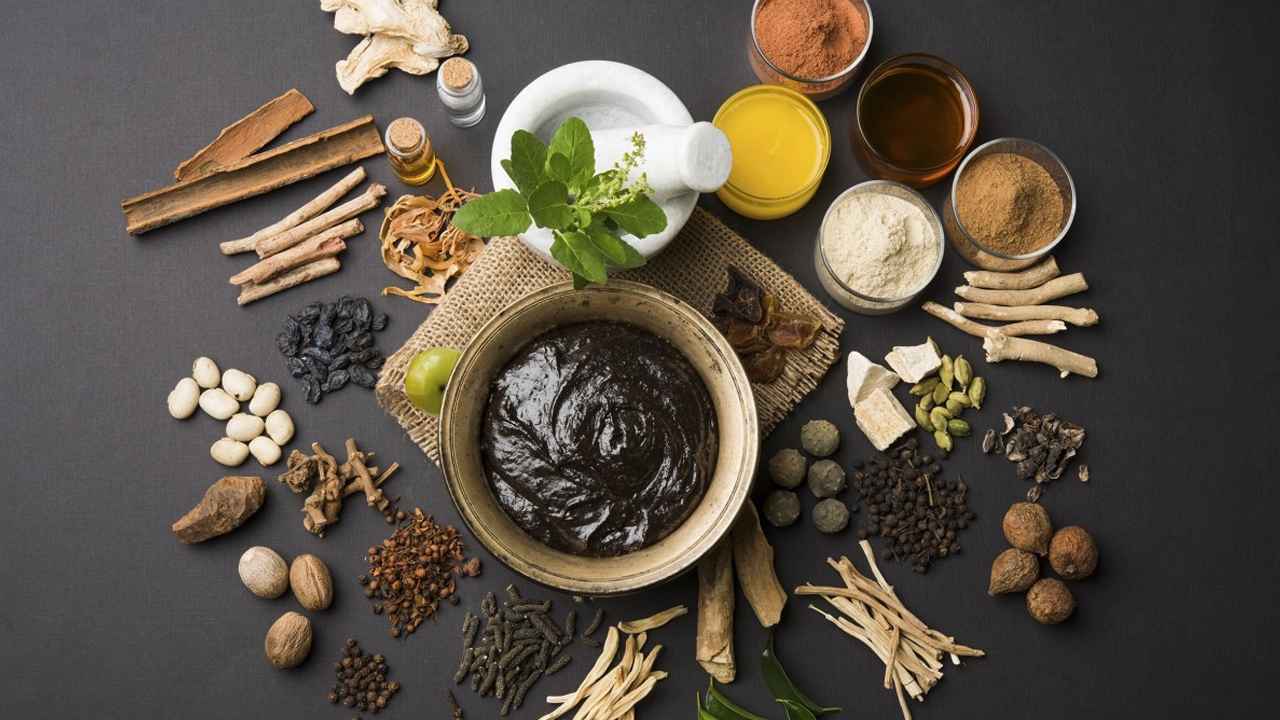
 The question that comes to the minds of people is whether it will cause any harm. So let us tell you that you can consume Chyawanprash but you should take great care of its element and quantity.




Generally, people, you must have seen people using Chyawanprash in winter. It is eaten to boost immunity and stay away from diseases. Actually, there are many such elements in it, whose effect is hot and in winter they keep the body warm according to the environment outside, but should Chyawanprash be consumed in summer.
Actually, many such elements and medicines are used in Chyawanprash, which is very hot but it can harm you, but if you consume Chyawanprash made from Amla or cold substances, then it will not cause you any problem, but this summer Helps you fight off viruses and bacteria during the season.
Chyawanprash rich in many nutrients
In fact, many types of herbs and spices are used in Chyawanprash, due to which are rich in vitamins, minerals, and antioxidants. If you consume Chyawanprash made from Amla, then you get Vitamin C in abundance. According to Ayurveda, gooseberry has a cooling effect, so it is beneficial for the summer season. Consumption of these spices and herbs helps in fighting diseases and relieving respiratory problems. Along with this, it purifies the blood and also removes fatigue. Apart from this, your energy and strength remain throughout the day. Apart from this, the digestive system also improves.
Keep these things in mind
Consumption of Chyawanprash is very beneficial but it should not be consumed in excess as it can cause many problems. Apart from this, you should be more careful in summer so that there is no problem. In fact, excessive consumption of Chyawanprash in summer can cause indigestion, flatulence, abdominal bloating, and loose motions. Apart from this, there may also be a problem of skin allergies, and rashes. Also, children should not be given more than half a teaspoon of Chyawanprash, and sick or suffering people should not be given Chyawanprash without a doctor's advice as it can harm them. Patients with high blood pressure and diabetes must also consult a doctor before consuming it, otherwise, the problems may increase.
- Take full care of your food and drink in summer and if possible, include it in your diet with the help of your dietician.
- Drink plenty of water and try to eat boiled as much as possible.
- Avoid eating Chyawanprash during the daytime as it might be a bit harmful to you.
- Apart from this, if you have any special health problems, then you should consume Chyawanprash only after consulting your doctor.





.jpeg)










.jpg)
.jpg)
.jpg)
.jpg)
.jpg)
.jpg)


.jpg)