 Saturday, October 10, 2026
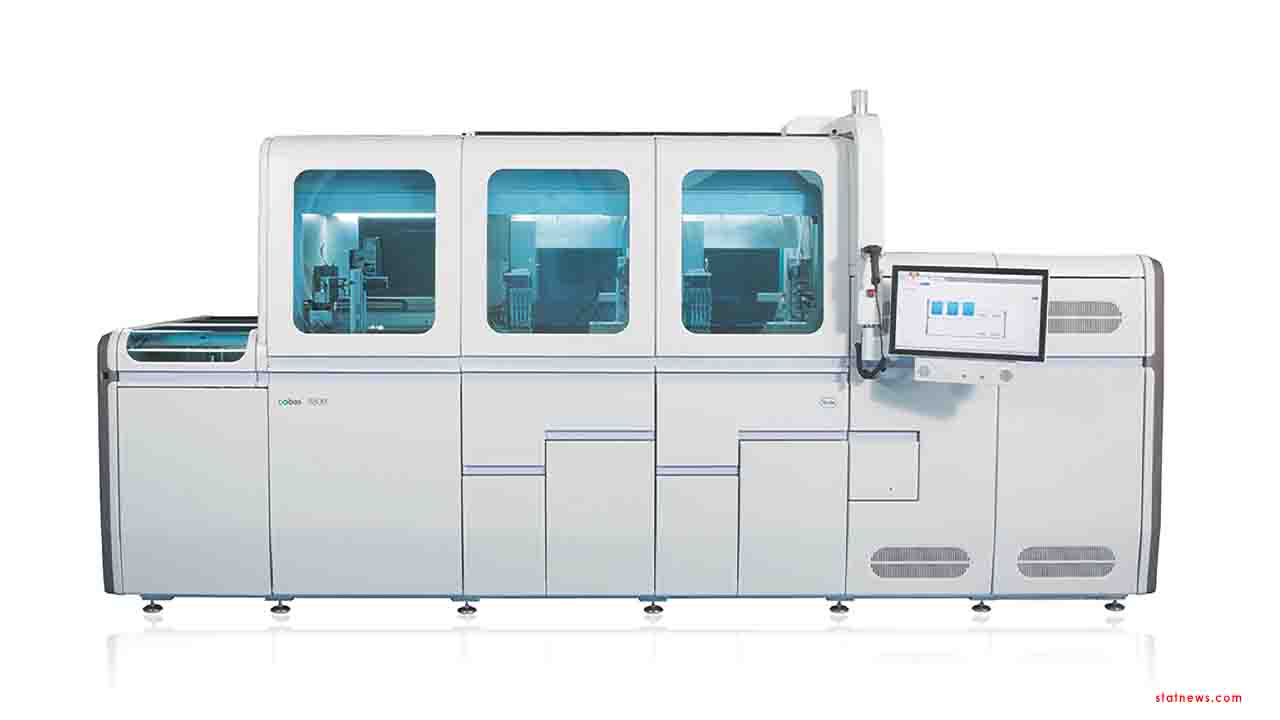
 Cobas 6800/8800 gets approval in US, India is already using them for Covid testing




Roche today announced that the cobas SARS-CoV-2 & Influenza A/B Test for use on the cobas 6800/8800 Systems has received Emergency Use Authorization (EUA) from the U.S. Food and Drug Administration (FDA). This test is intended for the simultaneous qualitative detection and differentiation of SARS-CoV-2, Influenza A and Influenza B in patients suspected by their healthcare provider of having respiratory viral infection consistent with COVID-19. Additionally, it is available in markets accepting the CE mark.
“With the approaching flu season, this new test is particularly important as SARS-CoV-2 and influenza infections can hardly be differentiated by symptoms alone. Now, with a single test, healthcare professionals can confidently provide the right diagnosis and most effective treatment plan for their patients,” said Thomas Schinecker, CEO of Roche Diagnostics. “As a leader in diagnostics testing solutions, this launch demonstrates our ongoing commitment to stop the spread of serious infectious diseases by increasing access to accurate, reliable and efficient testing options.”
Roche’s widely-available, fully-automated cobas 6800/8800 Systems, which are used to perform the SARS-CoV-2 & Influenza A/B Test, offer the fastest time to results with the highest throughput and the longest walk-away time available among automated molecular platforms. The systems provide up to 96 results in about 3 hours and 384 results for the cobas 6800 System and 1,056 results for the cobas 8800 System in an 8-hour shift. Roche is committed to delivering as many tests as possible within the limits of supply.
The test is another key addition to the comprehensive Roche diagnostic portfolio to help healthcare providers combat COVID-19 and make informed decisions for optimised patient care. Currently, this portfolio includes molecular, serology and digital solutions, which help during the initial stages of infection, during the recovery phase, as well as following the resolution of infection.
About cobas SARS-CoV-2 & Influenza A/B Test
The cobas SARS-CoV-2 & Influenza A/B Test is a multiplex reverse transcription polymerase chain reaction (RT-PCR) assay intended for the simultaneous qualitative detection and differentiation of SARS-CoV-2, Influenza A virus, and Influenza B virus in nasal or nasopharyngeal swab samples collected from individuals suspected of a respiratory infection, and is not intended for the detection of Influenza C virus. Under FDA EUA, the test can be taken by individuals suspected of a respiratory viral infection like COVID-19 by their healthcare provider. The test runs on the cobas 6800/8800 Systems and has a full-process negative control, positive control and internal control. Multiplexing will increase lab efficiency and save resources in the labs.
Negative results do not preclude infection from SARS-CoV-2 or Influenza virus and should not be used as the sole basis of treatment or other patient management decisions. Negative results must be combined with clinical observations, patient history and epidemiological information.
The cobas SARS-CoV-2 & Influenza A/B Test is intended for use by trained clinical laboratory personnel specifically instructed and trained in the techniques of real-time PCR and in vitro diagnostic procedures. In the United States, the cobas SARS-CoV-2 & Influenza A/B Test for use on the cobas 6800 and cobas 8800 Systems is only for use under the FDA’s Emergency Use Authorization.






.jpeg)










.jpg)
.jpg)
.jpg)
.jpg)
.jpg)
.jpg)


.jpg)