 Friday, October 09, 2026
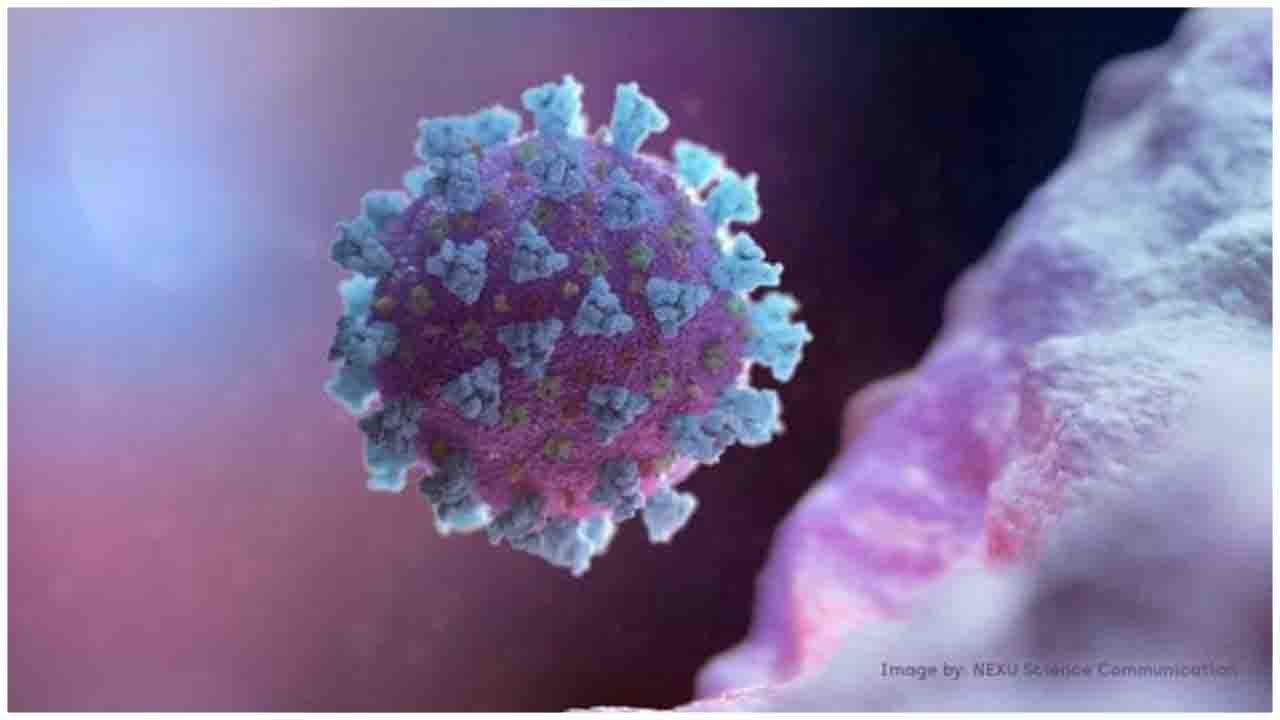
 Common cold antibodies yield clues to COVID-19 behavior.




The following is a roundup of some of the latest scientific studies on the novel coronavirus and efforts to find treatments and vaccines for COVID-19, the illness caused by the virus.
Common cold antibodies yield clues to COVID-19 behavior
Among people who were never infected with the new coronavirus, a few adults - and many children - may have antibodies that can neutralize the virus, researchers reported on Friday in Science. Among 302 such adults, 16 (5.3%) had antibodies, likely generated during infections with "common cold" coronaviruses, that reacted to a specific region of the spike protein on the new virus called the S2 subunit.
Among 48 children and adolescents, 21 (43.8%) had these antibodies. In test-tube experiments, blood serum from both older and younger uninfected individuals with cross-reactive antibodies could neutralize the new coronavirus. That was not the case with serum from study participants who lacked these antibodies.
"Together, these findings may help explain higher COVID-19 susceptibility in older people and provide insight into whether pre-established immunity to seasonal coronaviruses offers protection against SARS-CoV-2," the publishers of the journal said in a statement. The findings also suggest that targeting the S2 subunit on the coronavirus spike protein might be the basis for a drug or vaccine that works on multiple types of coronavirus.
Lung CT speeds COVID-19 diagnosis in stroke patients
In emergency-room patients with stroke, lung imaging studies can help detect COVID-19 before results of nasal and throat swab tests come back, researchers say. Stroke can be a sign of COVID-19, but swab results can take days to become available. At three New York City hospitals in March and April, doctors ordered computed tomography angiograms (CTA) on 57 stroke patients within 24 hours of hospital admission, to look for COVID-19-related pneumonia. Thirty patients turned out to have COVID-19, based on their nasal swab results.
But the CTA scans, in combination with patients' symptoms like cough and shortness of breath, allowed for the diagnosis of COVID-19 with 83% accuracy before the swab test results were received. Screening stroke patients for possible COVID-19 based only on symptoms is unreliable because they may not have symptoms or they might not be able to speak, the researchers point out in their report in the American Heart Association journal Stroke.
"Early diagnosis via CT scans has helped our center protect other patients and staff through early isolation, and it has also allowed us to start early supportive care for those suspected of having stroke who are COVID-19 positive," coauthor Dr. Charles Esenwa of the Montefiore Medical Center said in a news release.
New coronavirus sneaks out of cells “with the trash”
The new coronavirus uses a surprising pathway to exit infected cells and go on to infect others, researchers have discovered. It hijacks a cell structure called the lysosome, which is normally where cellular trash goes to be destroyed. But the virus uses lysosomes as escape hatches, the researchers report in Cell.
"To my knowledge coronavirus is one of 2 or 3 viruses to do this, and certainly the only enveloped virus," said coauthor Nihal Altan-Bonnet of the National Heart Lung and Blood Institute, referring to viruses that have a membrane surrounding their genetic material. "All other enveloped viruses ... use other pathways for cell-to-cell spread," Altan-Bonnet added.
These include influenza, hepatitis C, Dengue, Zika, West Nile, and Ebola. When lysosomes degrade bacteria and viruses into little pieces, she explained, "these little pieces get presented on the surface of the cell to alert the immune system" to the invaders' presence.
By using the trash disposal system of the cell to get out, the new coronavirus disables the lysosome and disrupts alerting the immune system, she said.
"We believe our discovery of the pathway used by coronaviruses to get out of cells will be fundamental to our understanding of how these viruses wreak havoc on our body, in particular our immune system."





.jpeg)










.jpg)
.jpg)
.jpg)
.jpg)
.jpg)
.jpg)


.jpg)