 Sunday, September 20, 2026
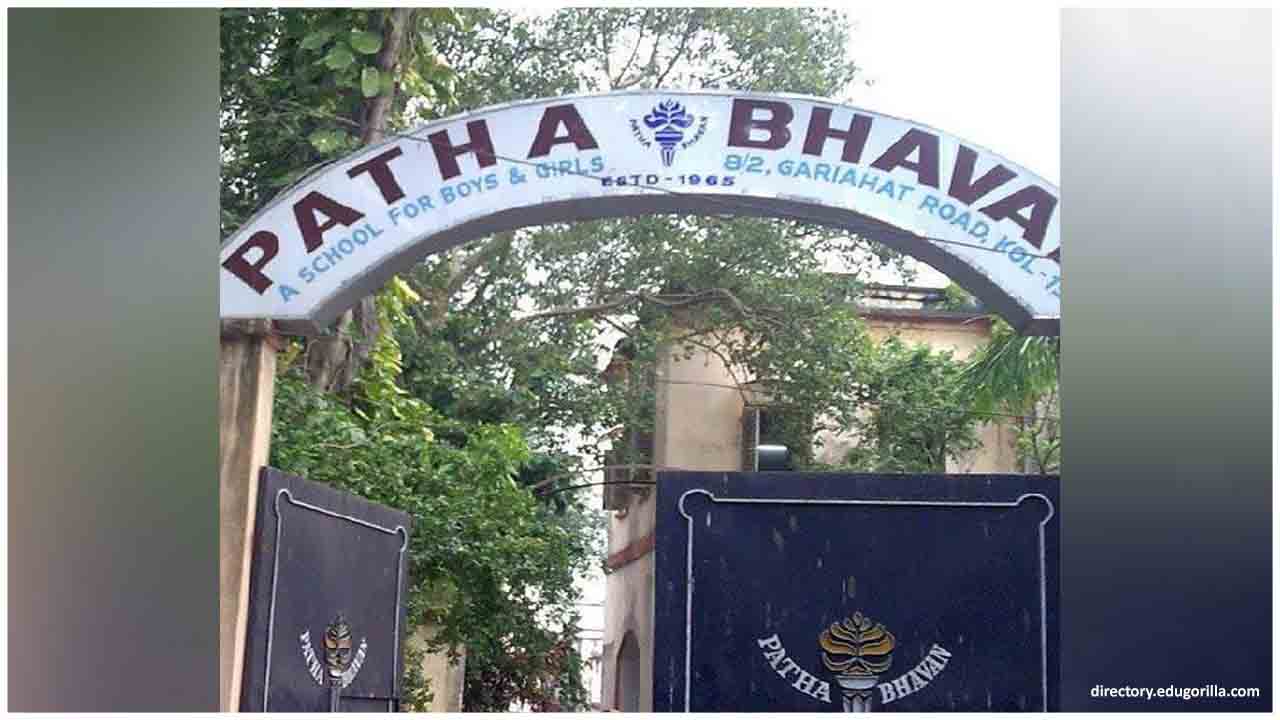
 Partha Chatterjees says 462 among 1,058 schools reserved as higher secondary exam centres severely damaged




West Bengal government on Wednesday arrived at a decision that it would extend the closure of the school for a month, until June 30 as many school buildings have suffered heavy damage due to recent cyclone Amphan. The government also contemplating to reserve some of the school buildings to make isolation centres for the homebound migrant labourers. Cyclone crisis doubles the concern when the State is already reeling under the threat due to the COVID-19. Talking to the press on Wednesday, education minister Partha Chatterjee reveals that 462 among 1,058 schools spread across eight districts that were reserved as higher secondary exam centres have been severely damaged due to the cyclone.
“I have held a meeting with the president of the West Bengal Higher Secondary Council, Mohua Das. We have decided to utilize colleges, if necessary, which shall be converted into HS examination centres,” Chatterjee was quoted as saying.
Chatterjee also says that at every step, health guidelines will be obeyed and social-distancing norms will be adhered to. He also said that HS Council is working upon to expand the number of venues available for the left overboard examinations across Kolkata, Hooghly, Howrah, Nadia, North 24 Parganas, South 24 Parganas, East Midnapore and East Burdwan.
“As the CM has already appealed, we request the company organizations to repair the varsity buildings, also as other education institutes, through the CSR projects as that they had earlier proposed,” said Chatterjee.
The minister on Wednesday also said that the HS Council will accommodate most of the students within the examination centres near their homes while those that need to travel are going to be ready to avail of transport facilities. As decided earlier, universities shall hold their terminal examinations consistent with schedule. “They have decided amongst themselves and can be allowed to continue consistent with their individual plans,” Chatterjee added.
The Department of Education has made a preliminary estimate of the loss incurred by the department — around Rs 700 crore. “But it's likely to exceed Rs 1,000 crore,” the minister said.
Before the faculties reopen, sanitization drives are going to be conducted and as students return to colleges, social-distancing norms will need to be maintained.
The rescheduled dates for class XI state board exams — June 29, July 2 and July 6 — are going to be unchanged, Chatterjee said. “To structure for the prolonged disruption in classes, we'll ask teachers to make sure taking classes reception if they sleep in an equivalent locality,” Chatterjee said.
The department is additionally considering a proposal to supply free textbooks to the cyclone-affected students, particularly those within the higher secondary level.





.jpeg)



.jpg)


.jpg)
.jpg)
.jpg)
.jpg)
.jpg)
.jpg)


.jpg)
.jpg)
.jpg)
.jpg)