 Monday, October 05, 2026
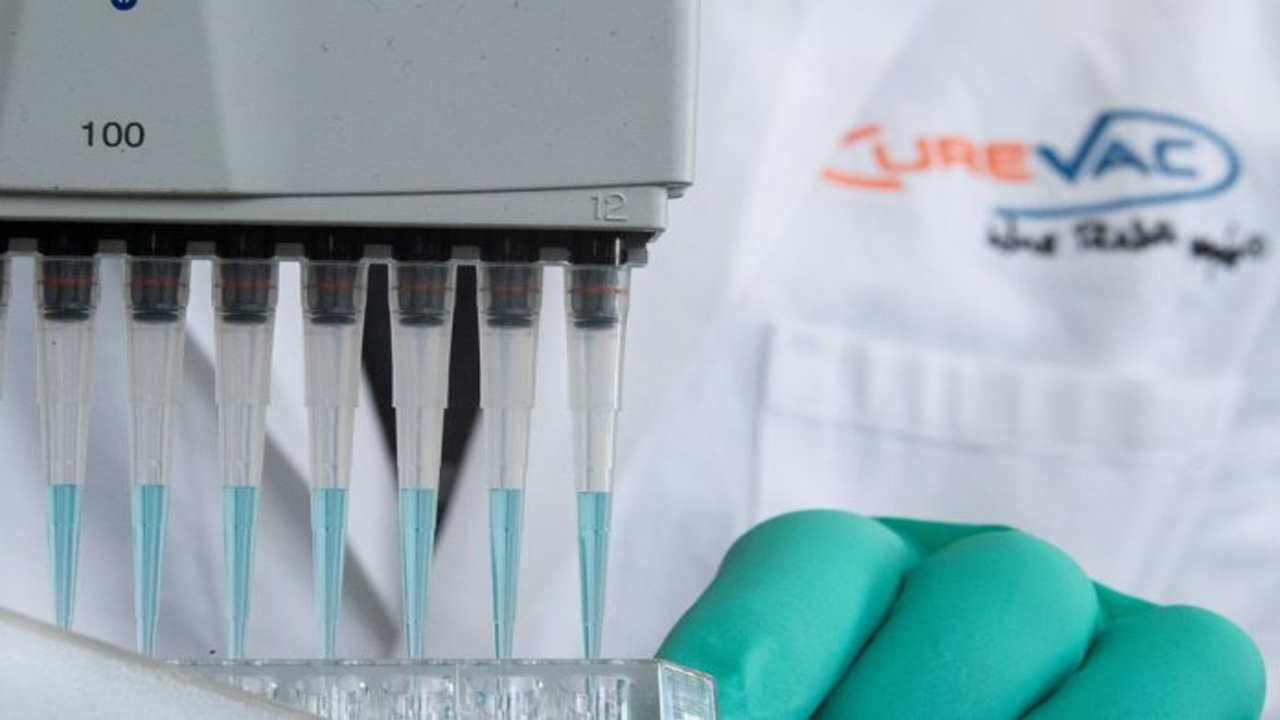
 The stability study is ongoing with the goal to further evaluate the potential for a longer commercial product shelf-life




CureVac N.V., a biopharmaceutical company developing a new class of transformative medicines based on messenger ribonucleic acid (mRNA), announced that its mRNA-based COVID-19 vaccine candidate, CVnCoV, remained stable and within defined specifications for at least three months when stored at a standard refrigerator temperature of +5°C (+41°F) and up to 24 hours as ready-to-use vaccine when stored at room temperature.
“Transport and storage of vaccines requiring ultra-low temperature setups to keep them stable, has been the topic of intense discussions and concerns in terms of feasibility, added costs and wastage,” said Dr Florian von der Mülbe, Chief Production Officer of CureVac. “We are very encouraged by the emerging stability profile of our COVID-19 vaccine candidate compatible with standard fridge-temperature storage as well as a required room temperature application. This compatibility has the potential both to enable decentralized storage and to significantly facilitate large-scale vaccination efforts during the current pandemic.”
Storage of sample material, as well as analytical testing of CVnCoV was performed under standard conditions defined by the International Council for Harmonisation of Technical Requirements for Pharmaceuticals for Human Use (ICH). Stability of the liquid drug product of CVnCoV was tested at the anticipated storage concentration and stored at +5°C (+41°F) as well as below -60°C (-76°F).
CVnCoV fulfilled all set release specifications at both temperatures after three months. The stability study is ongoing with the goal to further evaluate the potential for a longer commercial product shelf-life.
CureVac began the development of its mRNA-based COVID-19 vaccine candidate in January 2020. The compound is an optimized, non-chemically modified mRNA, encoding the prefusion stabilized full-length spike protein of the SARS-CoV-2 virus. The Phase 1 clinical study of CVnCoV began in June 2020 at clinical study centers in Germany and Belgium in collaboration with the Coalition for Epidemic Preparedness Innovation (CEPI). At the end of September 2020, CVnCoV entered a Phase 2a clinical trial in Peru and Panama, extending clinical studies into older adults and regions with a high-incidence of COVID-19 infections. CureVac plans to initiate a pivotal Phase 2b/3 clinical study by the end of 2020. Clinical trial material is provided by the company’s substantial production capacities for mRNA vaccines at its headquarters in Tübingen. The company is currently expanding those manufacturing capacities to allow for broad-scale manufacturing of CVnCoV for potential commercial supply preparedness.






.jpeg)
.jpg)
.jpg)
.jpg)
.jpg)
.jpg)
.jpg)








.jpeg)

.jpeg)


.png)