 Thursday, October 08, 2026
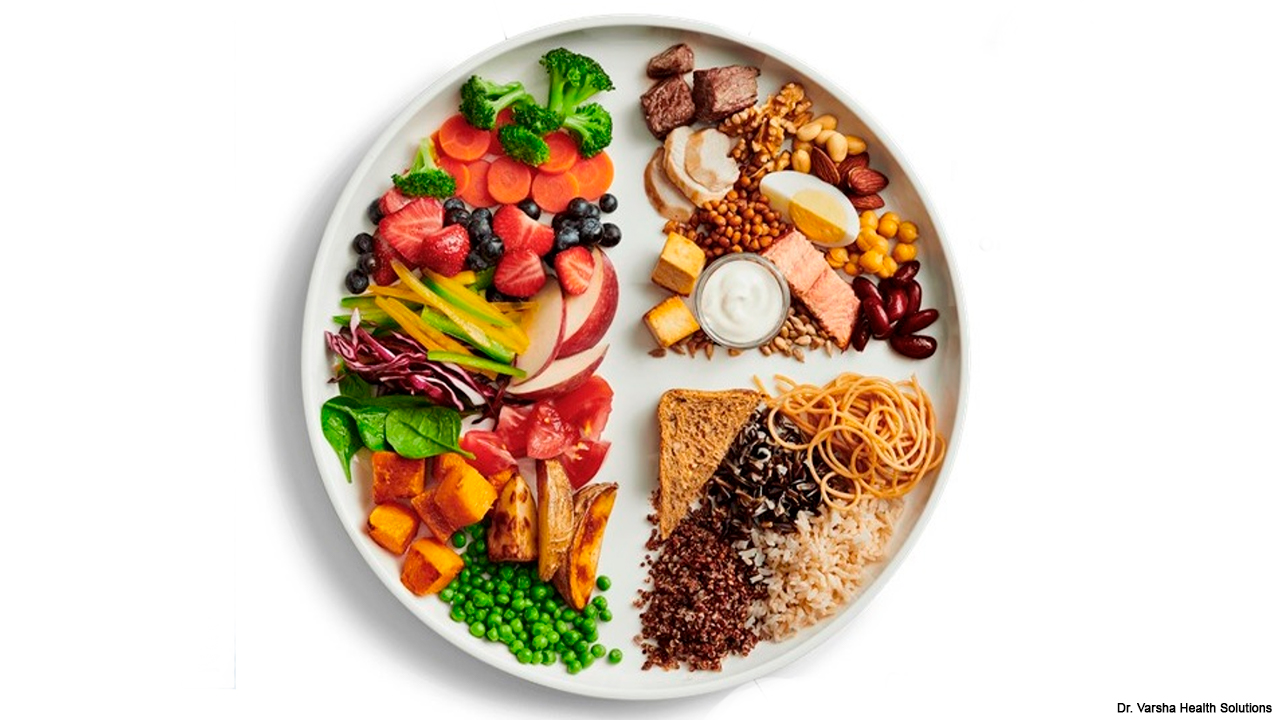
 A rise in the body’s blood sugar becomes a matter of concern for a diabetic person. Here are some superfoods that are proven to lower blood sugar levels, incorporation of which don’t let the jump. In addition to this, follow the right way of healthy eating to maintain ideal body weight.





The lack of insulin production in the body can result in a spike in blood sugar levels leading to diabetes. A continuous rise in blood sugar can damage blood vessels and nerve cells. Not only this it can result in loss of vision, kidney damage, and risk of other serious diseases. The condition can be well managed by incorporating healthy eating, regular exercise, and taking medicines on time. Diet plays a significant role in controlling Diabetes mellitus. The diabetic diet should include veggies, fruits, and food that could maintain ideal body weight and blood sugar levels.
Seeds – Seeds have been recently added to the list of superfoods. Seeds like pumpkin, chia seeds, and flaxseeds are rich in various nutrients. They are also rich in fiber and antioxidants which makes them a great addition to the diet of diabetic people.
Okra – It is a great source of flavonoids. Flavonoid is an antioxidant beneficial for cardiovascular health. It is also rich in polysaccharides. Polysaccharides are known to reduce blood sugar levels.
Nuts – Just like seeds, nuts are abundant in various useful nutrients. Adding nuts to your daily food can help you control blood sugar and avoid the risk of other cardiovascular diseases also.
Eggs – These are also included in the category of superfoods. Eggs have also been proven to reduce and improve insulin sensitivity.
Yogurt – This comes in the category of probiotics. These fermented foods are helpful when trying to reduce blood sugar levels. It is one of the most loved and consumed snacks and is also readily available.
Whole grains – Whole grains are rich in soluble fiber. Adding whole grains like quinoa, whole wheat etc into your diet can significantly lower your blood sugar. Whole grains can be taken on a daily basis.
Tomatoes - Foods with a low glycemic index (GI) are considered to be best for diabetic patients. Fresh, whole tomatoes are one of the foods with a low glycemic index (GI) and high content of fiber, the factors that make a person feel full for a longer period. Studies have shown that consuming 1-2 medium-sized tomatoes per day lowered the blood pressure in diabetic patients after 8 weeks.
Conclusion - A diabetic person should follow a set routine for meal time. Instead of 3 heavies, they need to make 6 small portion meals. The diet food should include fiber, lean protein, healthy fats, and slow-digesting carbohydrates. Include veggies for sure. Go for low GI index foods. The patient should never skip a meal, avoid alcohol and maintain ideal body weight.
(Disclaimer: The content on this site is for informational purposes only, and should not be taken as professional medical advice. Always seek the guidance of your doctor or other health professionals for any questions you may have regarding your health or a medical condition.)





.jpeg)








.jpg)
.jpg)
.jpg)
.jpg)
.jpg)
.jpg)


.jpg)
.jpg)
.jpg)