 Saturday, October 10, 2026
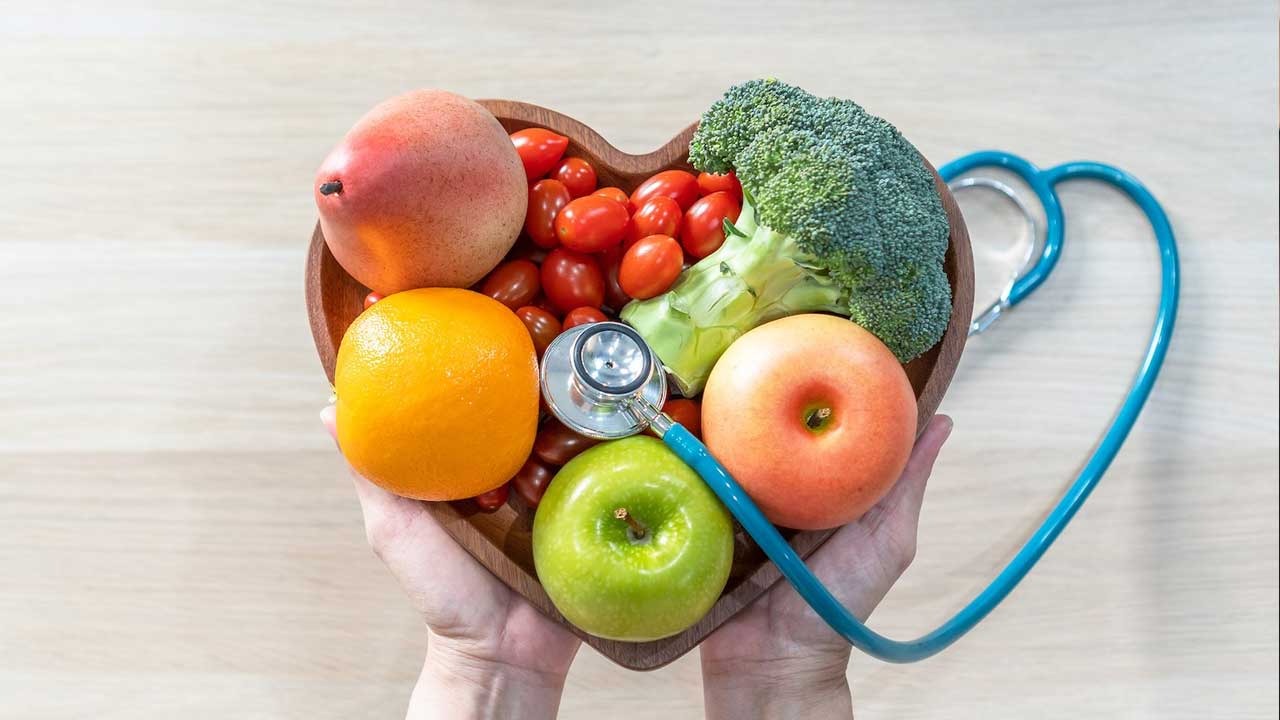
 To avoid high cholesterol, consuming the right diet can be beneficial, so, in this article, we are going to give you information about which diet should be adopted to reduce cholesterol and which diet should not be adopted.





With the help of a low cholesterol diet, increased cholesterol can be reduced, by eating foods high in fat, LDL in our blood, which is called bad cholesterol. When cholesterol levels begin to rise, which is called high cholesterol or increased cholesterol. When this happens, the level of bad cholesterol called LDL starts increasing in the blood and the level of HDL which is called good cholesterol starts decreasing. Patients with high cholesterol often face such trouble.
We have brought for you such a simple diet plan, by adopting which you can reduce your increased cholesterol level in a few days. But before that, let's know the important things about cholesterol.
All you need to know about cholesterol
Our body needs some cholesterol to function properly. But if there's too much of it in your blood, it can stick to the walls of your arteries and narrow or even block them. This can put you at risk of coronary artery disease and other heart diseases.
Cholesterol floats in the blood through proteins called lipoproteins. LDL is a type of cholesterol, sometimes called "bad" cholesterol. A high LDL level causes cholesterol to build up in your arteries. Another type of cholesterol, HDL, is called "good" cholesterol. Let us now know how to treat high cholesterol.
Treatments for high cholesterol
Heart diseases are directly related to cholesterol. Treatment for high or high cholesterol can be heart-healthy lifestyle changes including diet and certain medications. Lifestyle changes to treat high cholesterol include healthy eating, weight management, and regular physical activity. Now That You Have Cholesterol? And having learned about how to treat high cholesterol, now we will talk about how cholesterol can be reduced with the help of the right diet plan.
A right diet plan along with heart-healthy lifestyle changes are included in the steps to lower your cholesterol. The DASH Diet Plan is an example of this. The DASH diet plan is a diet rich in fruits, vegetables, low-fat or nonfat dairy products. This includes mostly whole grains and lean meats, fish and chicken, nuts and beans, etc. This is a diet plan that follows US guidelines for vitamins and minerals as well as sodium content.
Diet Plan for Cholesterol – Cholesterol control diet plan
Here we have given some easy ways to change the diet plan, with the help of which you can reduce your high cholesterol.
Choose healthy fats
To lower cholesterol, you must limit both total fat and saturated fat in your diet. You should determine your fat intake according to the number of calories you eat per day:
Calories Per Day Total From Saturated Fat
1,500 calories = 42-58 grams =10 grams
2,000 calories =56-78 grams=13 grams
2,500 calories =69-97 grams=17 grams
Saturated fat is bad fat because it further increases the level of LDL (bad cholesterol) in your diet. It is found in some meats, dairy products, chocolate, pre-fried foods, and deep-fried and processed foods.
Instead of These Bad Fats, Use Healthy Fats





.jpeg)










.jpg)
.jpg)
.jpg)
.jpg)
.jpg)
.jpg)


.jpg)