 Sunday, October 11, 2026
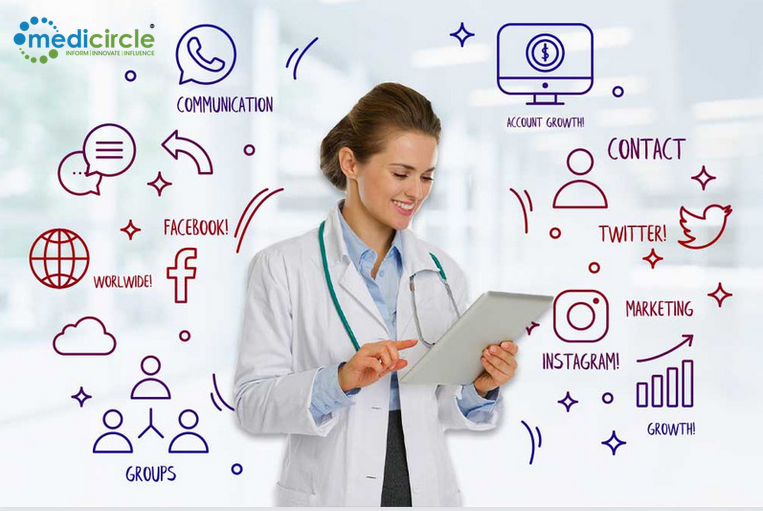
 In today's digital era, doctors and healthcare professionals need a strong online presence to engage with patients, educate the public, and enhance accessibility to healthcare services.




94% of doctors use social media for patient engagement and to enhance their digital presence. Doctors, vital stakeholders in healthcare, trust digital media to increase patient footfall.
A digital presence is vital for doctors and healthcare professionals to engage with patients, educate the public, enhance accessibility, build their brand, acquire and retain patients, network with colleagues, and market their services effectively in today's increasingly digital healthcare landscape.
In today's digital age, having a robust online presence is essential for doctors and healthcare professionals.
Here are 7 reasons why!
- Patient Engagement: A digital presence allows healthcare professionals to engage with patients outside of traditional office visits. Through social media platforms, websites, and patient portals, doctors can provide valuable information, answer questions, and offer support, fostering stronger doctor-patient relationships.
- Education and Awareness: Digital platforms provide healthcare professionals with an avenue to educate patients and the public about various health topics, preventive measures, treatment options, and advancements in medical science. By sharing informative content, doctors can empower individuals to take control of their health and make informed decisions.
- Accessibility and Convenience: With the rise of telemedicine and virtual consultations, having a digital presence enables healthcare professionals to offer remote healthcare services, making healthcare more accessible and convenient for patients, especially those in remote or underserved areas.
- Brand Building: A strong digital presence helps healthcare professionals build their brand and establish themselves as experts in their field. Through thought leadership content, online reviews, and testimonials, doctors can enhance their reputation and attract new patients.
- Patient Acquisition and Retention: An active online presence can help healthcare professionals attract new patients and retain existing ones. By showcasing their expertise, sharing patient success stories, and offering insights into their practice philosophy, doctors can appeal to potential patients and instil confidence in current ones.
- Networking and Collaboration: Digital platforms facilitate networking and collaboration among healthcare professionals, enabling them to connect with colleagues, share best practices, and stay updated on industry trends and developments. This collaboration can lead to enhanced patient care and improved healthcare outcomes.
- Marketing and Promotion: Digital channels offer cost-effective marketing and promotional opportunities for healthcare professionals to reach a broader audience. From social media advertising to email campaigns and search engine optimization (SEO), doctors can effectively market their services and attract new patients.
Choosing Medicircle for digital presence ensures access to a comprehensive healthcare-focused media platform. Medicircle offers a wide range of digital solutions tailored to meet the unique needs of healthcare professionals, including social media management, content creation, webinars, WhatsApp Campaigns and more. Medicircle expands your customer base, amplifies digital visibility, and elevates brand recognition. With Medicircle's expertise and focus on healthcare, doctors can effectively showcase their expertise, attract new patients, and stay ahead in the competitive healthcare landscape.





.jpeg)










.jpg)
.jpg)
.jpg)
.jpg)
.jpg)
.jpg)


.jpg)