 Monday, October 05, 2026
 Esophageal speech is the backup option. In this method, the speech-language therapist teaches the patient how to swallow before teaching them how to burp air out of their throats. With the help of his lips, tongue, and teeth, the patient learns how to create words out of the released air.




Dr. Kamakshi Memorial Hospitals, that has made a name for itself for its high-quality treatment and facilities available at all of its branches, has now another feather in its cap - the successful treatment of cancer of the voice box, followed by Tracheoesophageal Puncture to enable the patient to talk.
According to hospital sources, Krishnamoorthi, a 49-year-old employee of the Airport Authority of India, complained of an intermittent cough and a "voice change" (of a hoarse nature) that had lasted for two months. A mass of tissues was found in the vocal folds during an endoscopy examination to visualize the throat and voice box (larynx), which was causing an abrupt hoarseness. The mass's biopsy revealed squamous cell carcinoma as the cancer.
The Treatment Action Plan for Cancer
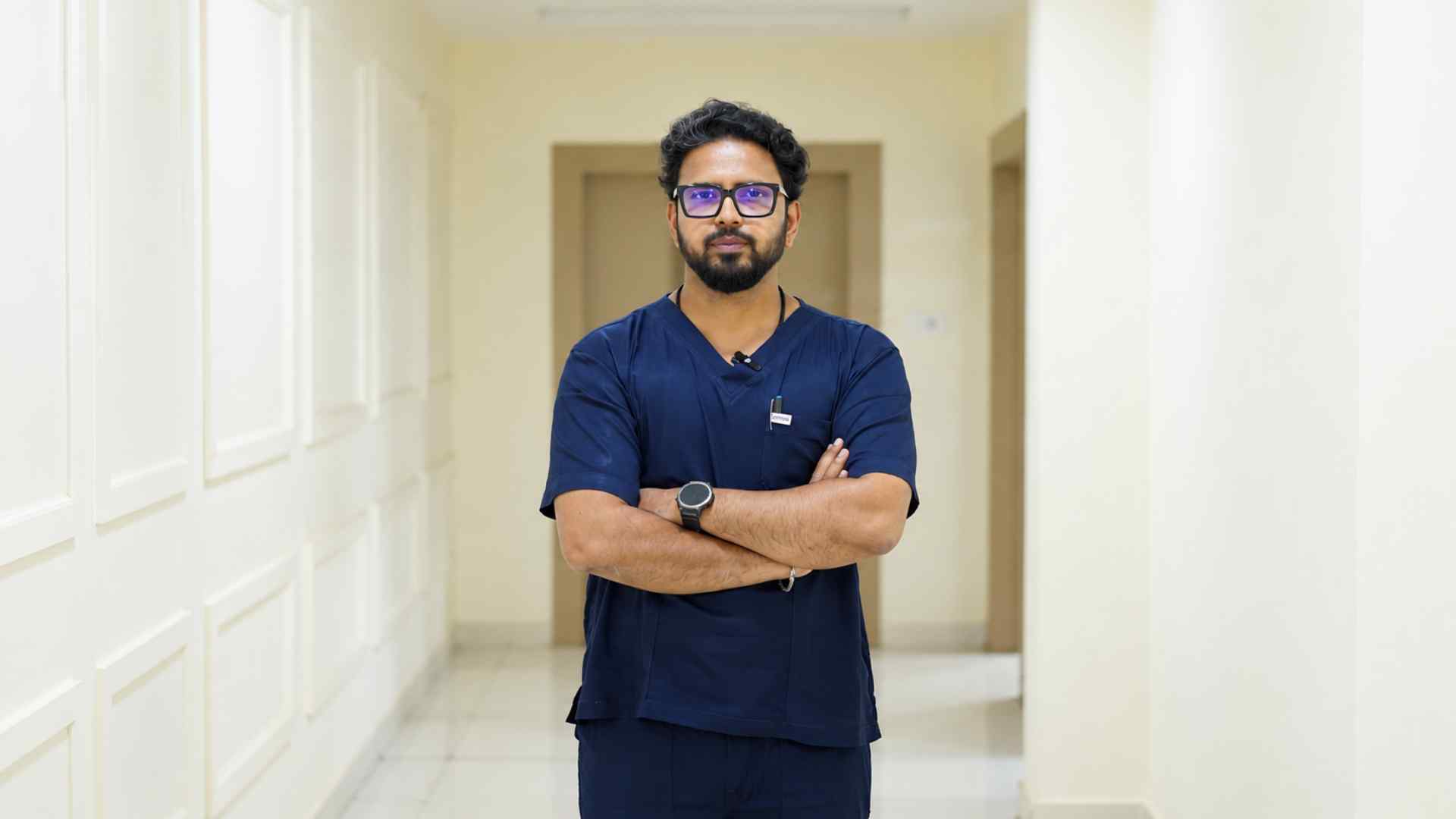
Dr. Major G Vasanth Kumar (MS ENT, DNB ENT, Fellow Head & Neck Surg Onco), a consultant in head and neck surgical oncology, led the team of doctors at Dr. Kamakshi Memorial Hospitals as they quickly got to work. The entire procedure was planned and overseen by Dr. Vasanth Kumar, who has received specialized training in endolaryngeal and microlaryngeal laser surgery, voice restoration surgery, reconstruction surgery, and upper airway surgery.
"Our next step was to quickly analyze the spread of the cancer," Dr. Vasanth Kumar said. Imaging (CT scan) was used to stage the disease, and it indicated Stage 4A, which meant the cancer had spread widely and affected the laryngeal framework (throat muscles and cartilages). In order to determine whether the cancer had spread to other body regions, a thorough metastatic work up and evaluation were performed. The multidisciplinary comprehensive cancer clinic then held a discussion to determine the next step in the treatment process.
The primary course of treatment was determined to be surgical removal of the cancer after careful consideration of the issues at hand. The postoperative period would then include radiotherapy. The patient was then counseled about the complications, consequences, alternative treatment options, and post-surgery rehabilitation after hearing the same information. The voice box was removed during surgery after the patient gave his or her approval for the procedure. A total of 7 weeks' worth of radiotherapy sessions were given out 4 weeks later. The cancer therapy was very effective.
The patient's biggest worry was whether he would be able to speak again after the procedure, which required the removal of the voice box. The procedure, known as a total laryngectomy (larynx = throat, ectomy = removal), renders the vocal cords useless for speaking. After surgery, however, speech can be recovered with the right training.
There are three options after surgery for restoration of speech.
The first choice is to employ an Electrolarynx, a tiny battery-operated device. The patient can move his lips to form words, and it produces a humming sound resembling vocal cords. Although some models are placed in the mouth and others on the neck, the voice is robotic in nature.
TEP (Tracheoesophageal Puncture) is the final option. This procedure is carried out either concurrently with the removal of the larynx or separately at a later time. In order to insert a small device, the surgeon creates a tiny opening between the trachea and esophagus. By covering the hole and squeezing the device, one can eventually learn to speak. The walls of the throat vibrate, creating sound. The best approach is thought to be this one. However, in order to master it, drive and practice are needed.
The Plan of Action - Cancer Treatment
The Doctors at Dr. Kamakshi Memorial Hospitals soon swung into action headed by their Consultant, Head and Neck Surgical Oncology Dr. Major G Vasanth Kumar (MS ENT, DNB ENT, Fellow Head & Neck Surg Onco). Dr. Vasanth Kumar, who is specially trained in Endolaryngeal & Microlaryngeal laser surgeries, voice restoration surgeries, reconstruction surgeries and upper airway surgeries planned and supervised the entire treatment assisted by his able team.
Dr. Vasanth Kumar explained, "Our next step was to quickly analyse the spread of the cancer. Staging of the disease was done with imaging (CT scan) and it suggested Stage 4A, which meant the cancer had grown large and involved the laryngeal framework (muscles and cartilages of the throat). A thorough metastatic work up and evaluation to check if the cancer had spread to other parts of the body was conducted. This was followed by a discussion within the multidisciplinary comprehensive cancer clinic to plan the course of treatment."
After much consideration of what was at stake, it was decided to surgically remove the cancer as the primary treatment. This would be followed by radiotherapy in the postoperative period. The same was conveyed to the patient who was then counselled about the complications, consequences, alternate treatment options and post-surgery rehabilitation. Once the patient consented to the treatment, the surgery was performed and the voice box was removed. 4 weeks later radiotherapy sessions were administered for a duration of 7 weeks. The cancer treatment was a great success.
The most worrying concern from the patient's side was whether he would be able to speak after the surgery because it involved the removal of the voice box. The surgery is called Total Laryngectomy (larynx = throat, ectomy = removal), and it takes away the ability to speak using one's vocal cords. However, speech can be restored with adequate training after surgery.
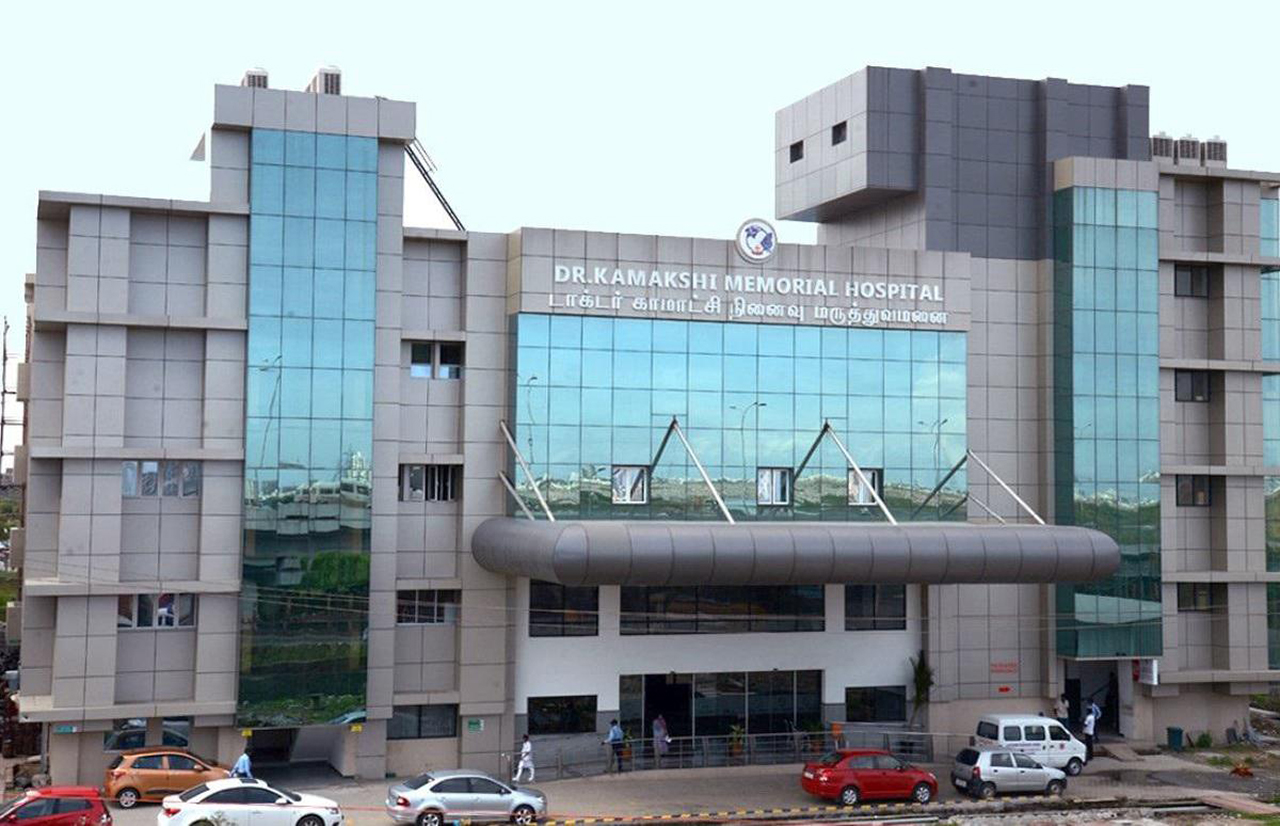
Dr. TG Govindarajan, the founder, and chairman, founded Dr. Kamakshi Memorial Hospitals in 2005. A 75000 square foot, 300-bed multi-specialty hospital located in Pallikaranai, Chennai, it has state-of-the-art equipment, top-notch medical professionals in every department, 24/7 emergency services, a pharmacy, online consultations, cutting-edge diagnostic and imaging equipment, thoroughly sanitized facilities, and support staff that isn't afraid to go above and beyond. With top doctors and the newest tools for cancer diagnosis and treatment, the hospital has one of the most cutting-edge cancer treatment centers. Additionally, Dr. Kamakshi Memorial Hospitals are located in Chennai's Shastri Nagar and Pallavaram (LK Hospitals) districts. It is also a popular destination for medical tourists from all over the world. The hospital's mission is to offer high-quality healthcare to everyone, and it steadfastly adheres to this commitment.





.jpeg)
.jpg)
.jpg)
.jpg)
.jpg)
.jpg)
.jpg)






.jpeg)
.jpeg)


.png)