 Sunday, October 11, 2026
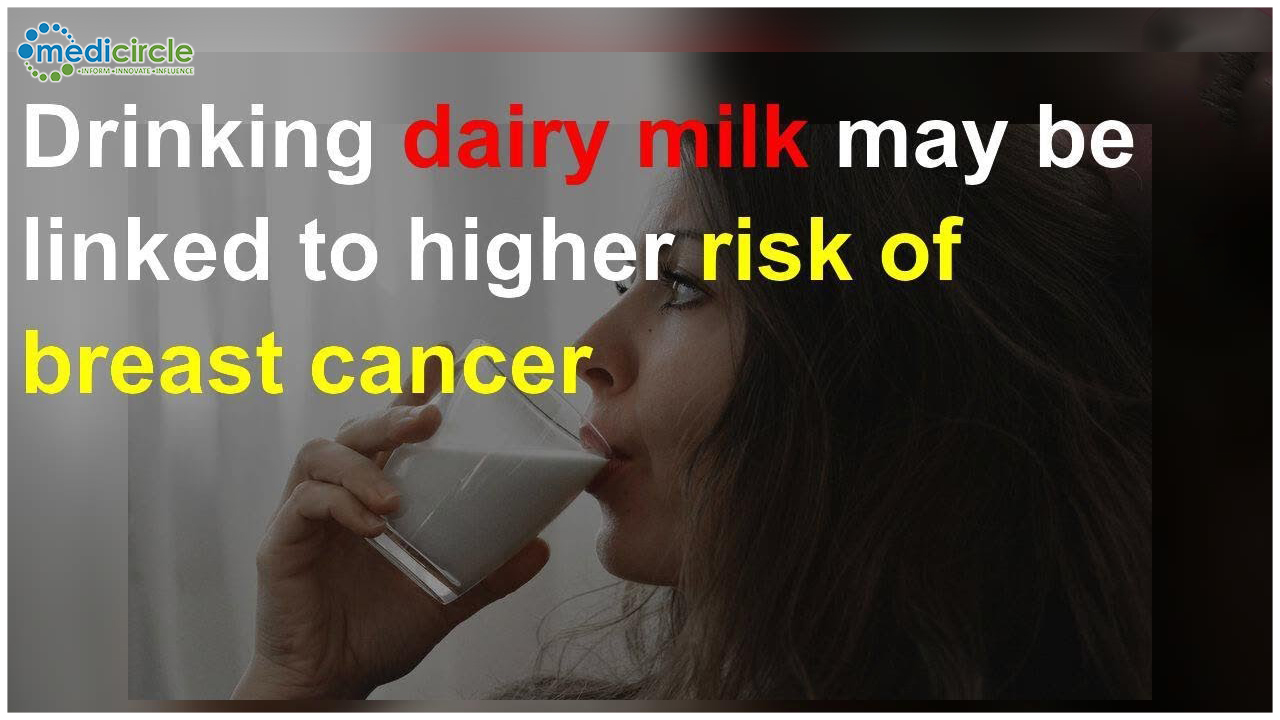
 The scientists said they didn’t find any clear associations between soy products and breast cancer. However, compared to low or no milk consumption, higher intakes of dairy calories and dairy milk were associated with greater risk of breast cancer.




Recent Study reveals that regular consumption of dairy milk may increase the possibility of breast cancer. Intake of One cup of milk per day associated with a 50% increase in breast cancer risk.Researchers at Loma Linda University in the US confirmed, "Fairly strong evidence that either dairy milk or some other factors closely related to drinking dairy is a cause of breast cancer of women.
According to the published study in "International Journal of Epidemiology even relatively small amount of milk can increase the risk significantly , "Consuming as little as 1/4 to 1/3 cup of dairy milk per day was associated with an increased risk of breast cancer of 30%," said Fraser Co author of the study.. "By drinking up to one cup per day, the associated risk went up to 50%, and for those drinking two to three cups per day, the risk increased further to 70% to 80%" , he added.According to him,keeping in view current U.S. Dietary guidelines recommend three cups of milk per day, "Evidence from this study suggests that people should view that recommendation with caution."
He also states that the possible reasons for these associations between breast cancer and dairy milk may be the sex hormone content of dairy milk, as the cows are of course lactating, and often about 75% of the dairy herd is pregnant. Breast cancer in women is a hormone-responsive cancer. Further, intake of dairy and other animal proteins in some reports is also associated with higher blood levels of a hormone, insulin-like growth factor-1 (IGF-1), which is thought to promote certain cancers.






.jpeg)










.jpg)
.jpg)
.jpg)
.jpg)
.jpg)
.jpg)


.jpg)