Wednesday, October 07, 2026
 “One can reduce the chance of getting black fungus by following simple oral tips”





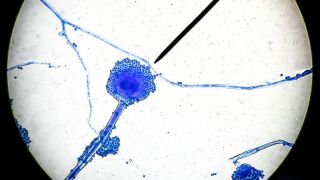
It’s been over a year since COVID has altered our way of living. The infection is giving birth to many other new problems or diseases. One of the increasing infections post COVID is a black fungus. This is also called Mucormycosis. It is a fungal disease. People who have been given steroids for a long time for the treatment of COVID, long hospital stayed, were on oxygen support or people who are taking medicines for other chronic illnesses are at higher risk of black fungus. If it is not treated on time, it can be deadly.
Post COVID, the body becomes weak with low immunity. A weak immune body put the patient at higher risk for any of the infection be it be black fungus or any other. These patients should take extra care of them. The common symptoms of black fungus include discoloration of oral tissues, stuffy nose, swelling of face, fever, headache, discomfort.
Oral tips
Intake of steroids and other medicines allows the bacteria or fungus to grow in the mouth and can create problems in sinus, lungs, intestine and even brain. Brushing twice or thrice a day and taking oral cleanups can help to a great extent in keeping the bacteria and viruses at bay.
Maintaining good oral hygiene post recovery is compulsory for patients who have recovered from the disease to protect themselves from its effect. They should keep rinsing their mouth on regular basis and should change their toothbrush once they are negative.
Patients who have recovered recently can keep their brush separately not in the same holder in which others are keeping. However, it is advised to clean the brush and tongue cleaner thoroughly using an antiseptic mouthwash.





.jpeg)




.jpg)
.jpg)
.jpg)
.jpg)
.jpg)
.jpg)


.jpg)
.jpg)
.jpg)
.jpg)
.jpg)
.jpg)