 Thursday, October 08, 2026
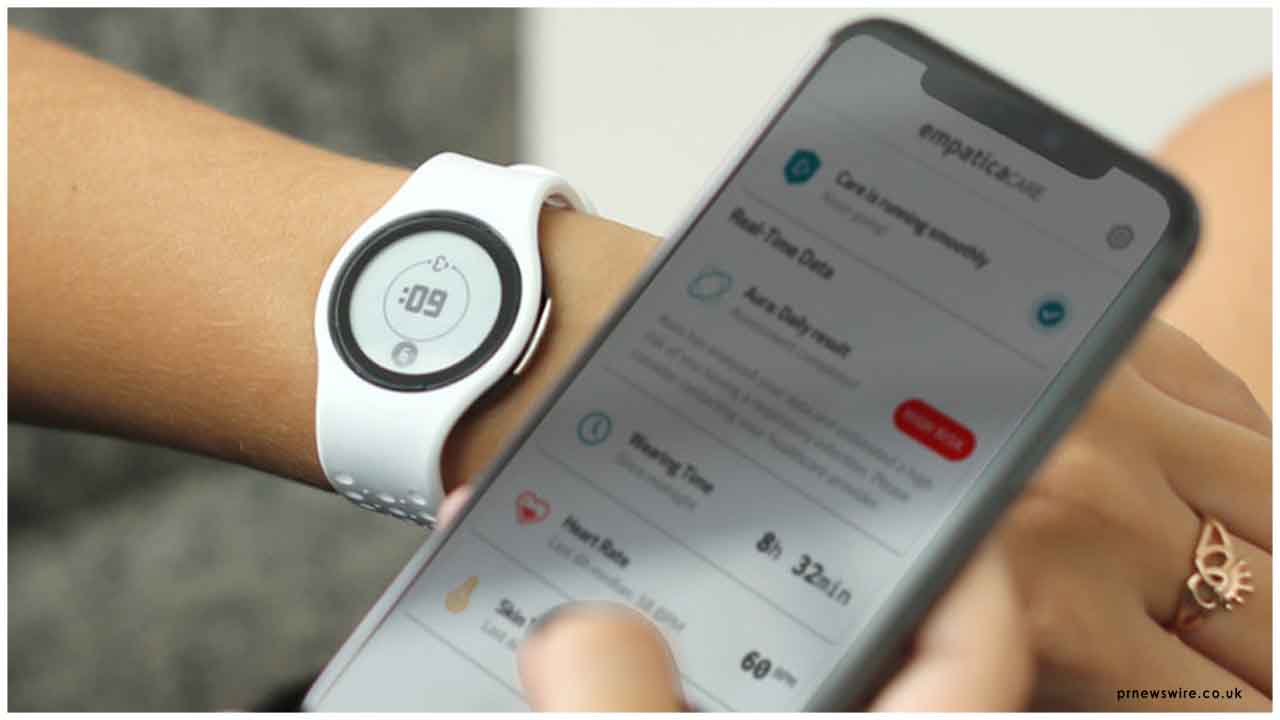
 The partnership between Empatica and USAMRDC will help deploy a wearable and algorithm that can detect COVID-19, and alert individuals of the potential presence of an infection





Empatica has been commissioned by the US Army Medical Research and Development Command (USAMRDC) to provide a wearable and an algorithm that will enable the early and presymptomatic detection of COVID-19. The project's focus is on protecting the health of the general population by preventing outbreaks through early detection and warning. Empatica's aura algorithm delivers the risk indication of a person suffering from COVID-19 on a daily basis using physiological data read by Empatica's medical smartwatch, EmbracePlus .
The project is divided into several phases and starts with the clinical validation of the Empatica algorithm in healthy participants at risk of developing SARS-CoV-2. At the same time, approval will be submitted to the US FDA and the project will end in a virtual clinical trial with participants ready to test and validate the entire platform.
"If we can use wearable technology to prevent the rapid spread of COVID-19 within our units, it would be very helpful," said Commander Christopher Steele , director of the USMRDC's military research program for surgical medicine. "We have significant partners in the industry who are well placed to assist the Department of Defense in this regard. "
Matteo Lai , CEO of Empatica , emphasized the importance of this collaboration for his company: “It is a privilege for our team to join forces with the USAMRDC in the efforts to fight COVID-19. The division has arguably the best track record in sponsoring and promoting breakthrough technologies in the world. The fact that you are taking part in this project and taking the initiative shows the great impact COVID-19 has on our daily lives and underlines the need to meet this challenge in cooperation. This is a race against time and also a civic duty for us to use our experience against a threat to our health and economy. "
Empatica is the only manufacturer of a medical device consisting of a wearable, an app and an algorithm that enables users to conduct a daily COVID-19 risk assessment. Earlier this year , Empatica partnered with the U.S. Department of Health and Human Services to test Aura's COVID-19 detection capabilities on healthcare workers at risk. By continuing this work with the USAMRDC, we have additional resources available to make Aura usable for the general public.
Empatica Inc pioneered continuous, unobtrusive remote health monitoring through AI. Empatica's platform combines precise biomarkers, software and wearables to monitor various diseases. Empatica's products are used by thousands of institutional partners for research purposes, studies and trials to investigate stress, sleep, epilepsy, migraines, depression, addiction and other diseases.
The US Army Medical Research and Development Command develops medical products for the US Army and is responsible for medical research, development and procurement. USAMRDC produces medical solutions for combat use with a focus on various areas of biomedical research. These include military infectious diseases, combat casualty care, military surgical medicine, chemical-biological defense as well as clinical and rehabilitative medicine.






.jpeg)










.jpg)
.jpg)
.jpg)
.jpg)
.jpg)
.jpg)


.jpg)