 Thursday, October 08, 2026
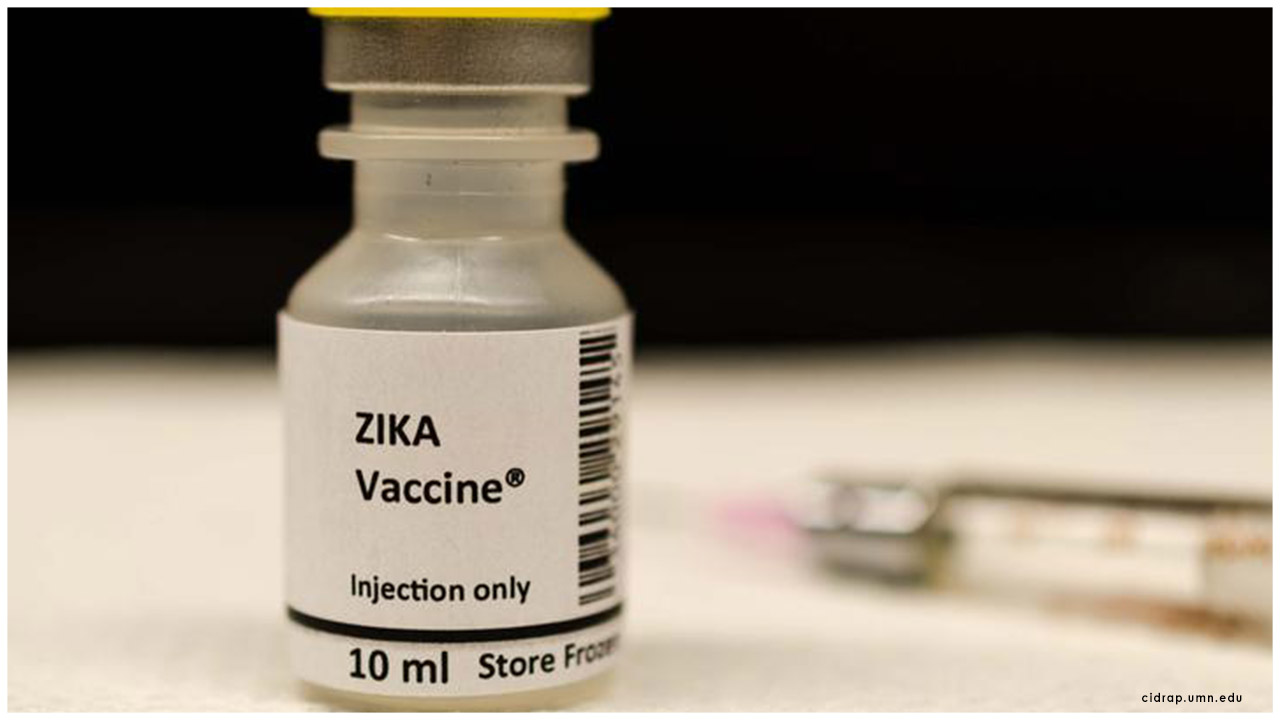
 Enesi Pharma's Implavax technology platform would try to make the vaccine needle free and thermally stable




Enesi Pharma, an innovative biotechnology company developing next-generation vaccination products targeting serious diseases, is delighted to announce its partnership with the University of Adelaide to develop a new thermostable, solid dose DNA vaccine for Zika virus to prevent infection of pregnant women and the resultant congenital effects in the unborn child.
This project aims to employ Enesi’s ImplaVax formulation expertise and platform to create a protective Zika virus DNA vaccine in a solid dose implant format for transcutaneous delivery via a needle-free device. The innovative combination of this ImplaVax formulation and delivery system with the novel DNA vaccine construct developed by researchers at the University of Adelaide is expected to enhance the vaccine’s efficacy, thermal stability and allow for safe and rapid vaccination of target populations that are otherwise geographically and economically disadvantaged.
DNA and RNA vaccines are becoming increasingly prominent and hold great potential against many diseases, as highlighted by the ongoing Covid-19 crisis. However, they also present important thermostability challenges and require an uninterrupted end-to-end cold chain throughout to maintain potency up to the point of administration. Enesi’s ImplaVax technology aims to address these challenges by creating needle-free solid dose vaccines that are thermally stable at temperatures up to 40oC and eliminate the need for cold-chain storage and distribution.
The new AUD1.35 million collaboration with the University of Adelaide aims to advance the development of a novel thermostable, solid dose Zika virus DNA vaccine to Phase 1 clinical trials. The programme is being funded with AUD675,500 from the Australian Government’s Biomedical Translation Bridge (BTB) programme, and additional funding from Enesi Pharma, The Hospital Research Foundation, Adelaide Enterprise Commercial Accelerator Scheme and the University of Adelaide’s Faculty of Health and Medical Sciences.
David Hipkiss, Enesi Pharma CEO, commented:“We are delighted to enter this new partnership with the University of Adelaide, and to leverage our ImplaVax® technologies to tackle the significant public health issue that Zika virus infection represents. We are particularly excited that this new collaboration is focused on advancing the development of a solid dose DNA vaccine through application of our ImplaVax® technology. While holding huge promise, it is recognised that DNA and RNA vaccines have significant cold chain requirements, which could impact the efficiency and reach of final products.
“We believe that our ImplaVax technology could provide a solution to overcome these barriers. This belief is based upon our earlier work which has evidenced the ability for ImplaVax-enabled DNA vaccine candidates to be thermally stable and retain their immunogenicity potential. A positive outcome from our new collaboration, alongside other projects evaluating ImplaVax-enabled DNA and RNA vaccines, could help unlock the full potential of such approaches across a vast range of diseases, from Zika to Covid-19.”
Zika is a mosquito-transmitted ‘flavivirus’ currently circulating in the Americas and Asia, which causes microcephaly (a birth defect where a baby’s head is significantly smaller than expected) and other severe birth defects in infants born to infected mothers. These defects cannot be corrected, and the accompanying disabilities are lifelong and catastrophic. Zika can also cause Guillain-Barré syndrome in adults, and there is currently no therapy or approved vaccine available to prevent infection.
The Australian Government’s Biomedical Translation Bridge program, delivered by Australia’s Industry Growth Centre, MTPConnect, is an initiative of the Medical Research Future Fund, and aims to facilitate the translation of new therapies, technologies and medical devices through to the proof of concept stage.






.jpeg)








.jpg)
.jpg)
.jpg)
.jpg)
.jpg)
.jpg)


.jpg)
.jpg)
.jpg)