 Saturday, October 10, 2026
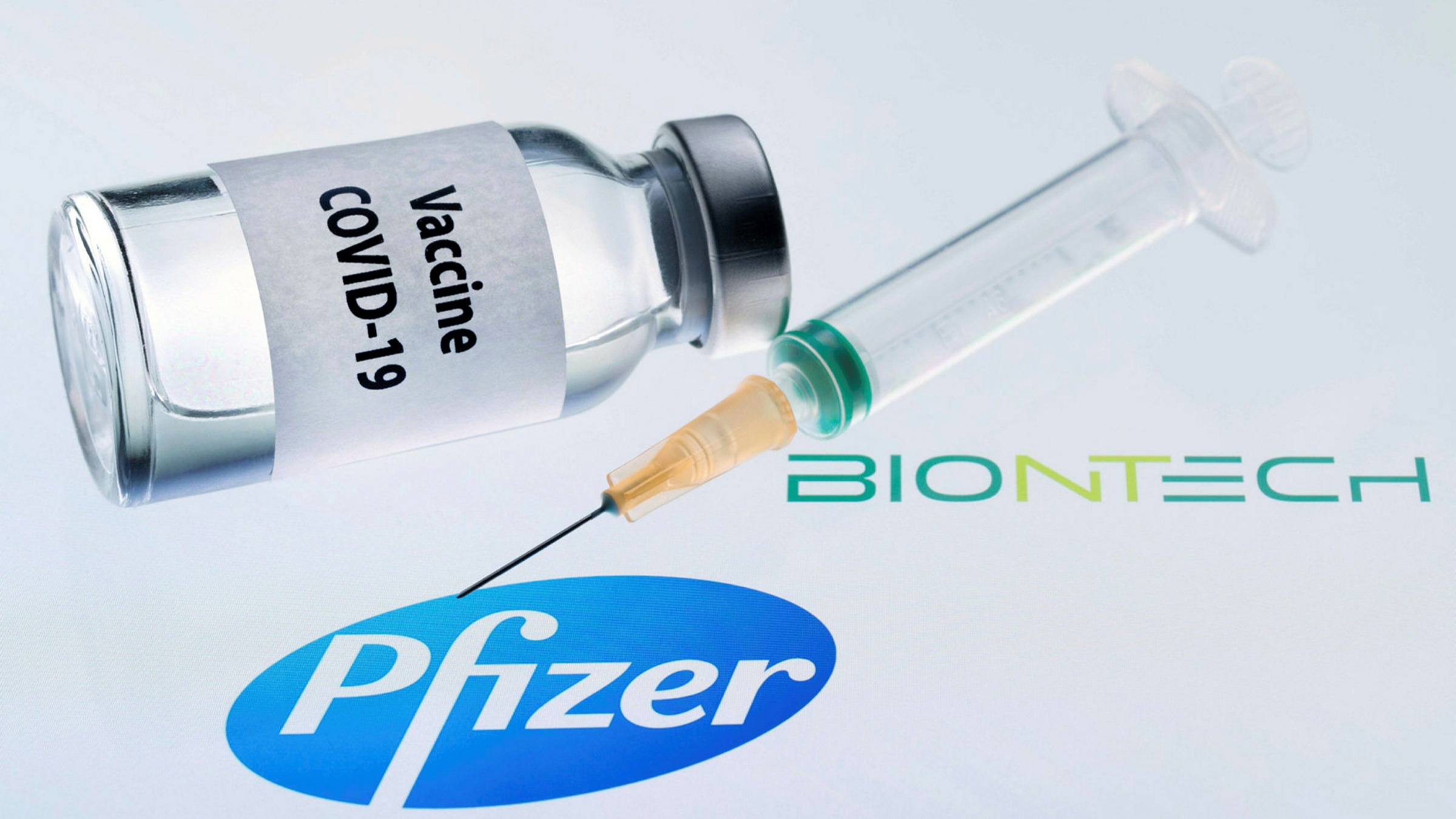
 FDA is working towards the safety of adolescents and the children who are innocent minds and need special care towards pandemics. FDA authorizes Pfizer-BioNTech COVID Vaccine for Emergency Use Authorization (EUA) for adolescents.




The global hunt for COVID 19 vaccine begins for adolescents and kids. A lagging start in the case of COVID 19 on children has some pediatricians worried which leads to wanting more shots for young children in time for the next school year. Older kids and adolescents are more vulnerable to coronavirus, but ending the pandemic will require vaccinating the children as soon as possible.
COVID vaccine for children below the age of 12 years
Last week, Pfizer received permission to test its vaccine in kids as young as 12 only for a handful of attempts around the world. Multiple vaccine candidates are in the final stage of studies for many adolescents. Scientists and researchers are hopeful that the next few months will bring evidence of at least some of them which are safe, effective, and can be used for widespread use. Generally, when the first shots arrive they are unlikely to be recommended for the children. Vaccines can be given to youngsters unless they have been tested in a particular age group. This is a major hurdle in efforts to reopen the school and resume more activities.
Study in regards to COVID vaccine for children
Children represent about 10 % of COVID19 cases documented worldwide. Children are far less likely to get affected by the serious illness of coronavirus. About 120 children have died in the USA alone according to the American Academy of Pediatrics. This average is about the general value of how many children die in the USA by flu. A smaller number of children have developed a serious inflammatory condition linked to the coronavirus. COVID 19 impact on children is greater than some other diseases that require routine pediatric vaccinations.
Efficacy for pediatric vaccines
Globally pediatric studies are emerging slowly. Many studies have come up for children of age 3-12 years. Testing a lower dosage of the vaccine in children of smaller age groups will be a better idea. Immunizing the adolescents and potentially moving down into yonder children is going to be effective for children. It is important to keep an eye on coronavirus infections among children and monitor them closely. For these reasons, the schools have been kept close so that they don't bring infection home to parents and grandparents.
FDA statement from Acting Commissioner Janet Woodcock MD
It makes sense to start pediatric testing in teenagers and gradually work done in an age. Adolescents usually received adult-sized doses of other vaccines. The FDA's expansion of emergency use authorization for the Pfizier-BioNTech COVID 19 vaccine to include adolescents 12- 15 years of age is one of the most important steps to fight against the COVID 19 pandemic. Acting FDA Commissioner Janet Woodcock MD informed, “Today’s action allows for a younger population to be protected from COVID19, bringing us closer to returning to a sense of normalcy and to ending the pandemic.” She further gave reassurance to parents and guardians about the agency step to look into the rigorous and thorough review of all available data.
Report by Center of Disease Control Prevention
From March 1, 2020 - April 30, 2021, approximately 1.5 million COVID 19 cases have come into the light among the individuals from age of 11 -17 years. This has been reported by the Center for Disease Control and Prevention (CDC). Children and adolescents have known to be reported milder symptoms as compared to adults. A low dosage of the COVID vaccine for children should be effectively provided the efficacy is taken care of.





.jpeg)










.jpg)
.jpg)
.jpg)
.jpg)
.jpg)
.jpg)


.jpg)