 Monday, October 12, 2026
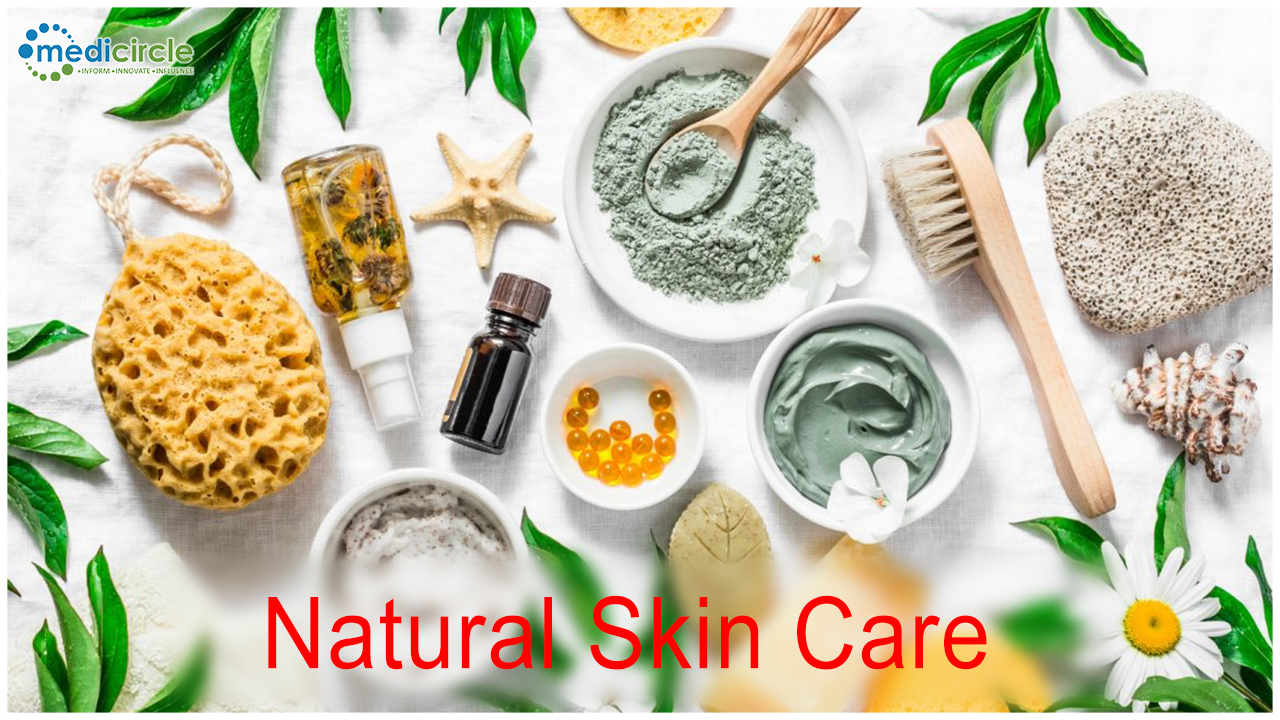
 Social media influence and natural ingredients trend will boost growth opportunities for manufacturers, finds Frost & Sullivan




Growing consumer concern about the safety of preservatives in personal care and cosmetic products has led to their increased scrutiny by regulatory bodies. The global market for personal care and cosmetics preservatives will reach $533.8 million by 2023 at a compound annual growth rate (CAGR) of 6.6% between 2018 and 2023. The demand for preservatives is anticipated to reach 125.0 kilotons by 2023, growing at a CAGR of 7.0%, attributed to the rising consumption from the personal care industry, specifically.
"Increasing demand for natural skincare and personal hygiene products has resulted in new research opportunities for organic and natural preservatives," said Raghu Tantry, Principal Consultant, Chemicals and Materials at Frost & Sullivan. "However, as the use of such ingredients raises the risk of microbial contamination, manufacturers are developing natural preservatives that can be suitably combined with the active ingredients found in most cosmetics."
Frost & Sullivan's latest research, Growth Opportunities for the Global Personal Care and Cosmetic Preservatives Market, Forecast to 2023, offers a thorough analysis of the market drivers and restraints, industry challenges, regional trends, product and technology disruptors, and detailed revenue and unit shipment forecasts through the year 2023. Additionally, the research highlights key opportunities that market participants can capitalize on to augment growth.
For further information on this analysis, please visit: http://frost.ly/3zs.
"The interest for personal care and cosmetic preservatives was highest from the skincare segment, followed by medicated skincare and hygiene care products," noted Tantry. "Rising demand for natural preservatives for baby care applications is anticipated to further boost the preservatives market towards growth."
North America will hold the major unit shipment share of 51.1% of the global personal care and cosmetic preservatives market by 2023. The region will continue to dominate the preservatives market through 2023. Europe is expected to be the fastest-growing region for this market with a CAGR of 7.2%. This growth is attributed to the market developments in the natural preservatives segment and increasing investments by the existing and newer preservative manufacturers in the region.
Preservatives manufacturers can also explore the growth opportunities in:
Changing consumer preferences based on social media influence and increasing beauty consciousness among all age groups.
Innovating and developing natural preservatives that would comply with the changing consumer needs.
Developing blends with lower preservative concentrations and broad spectrum of microbial coverage to offer significant growth opportunities.
Producing phenols and alcohols, which are the most used preservatives because of their rising demand across all application areas.
Offering e-Commerce as a highly viable entry route for Western companies seeking to enter emerging markets like Asia-Pacific, the Middle East and Africa.
Including branded, multi-functional ingredients that are overtaking commoditized materials.
Growth Opportunities for the Global Personal Care and Cosmetic Preservatives Market, Forecast to 2023, is a part of Frost & Sullivan's Chemicals, Materials & Foods Growth Partnership Service program, which helps organizations identify a continuous flow of growth opportunities to succeed in an unpredictable future.






.jpeg)










.jpg)
.jpg)
.jpg)
.jpg)
.jpg)
.jpg)


.jpg)