 Thursday, October 08, 2026
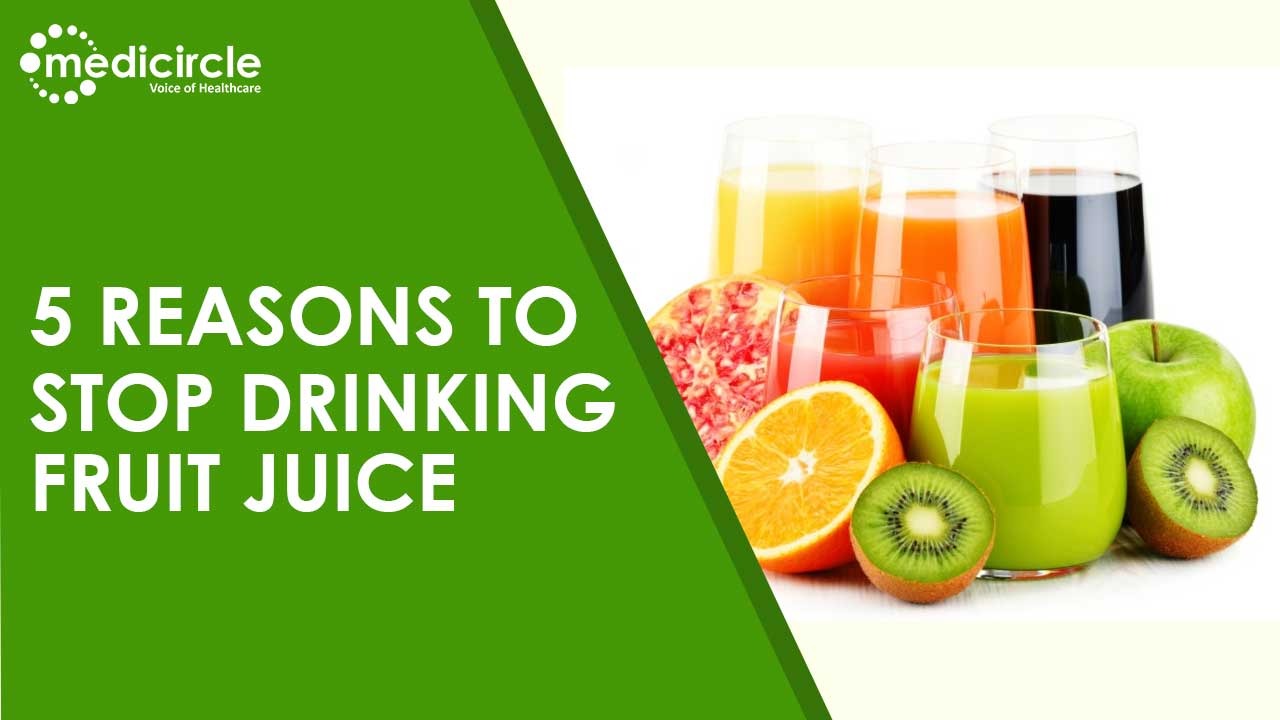
 Fruits and vegetables are power-packed with essential vitamins and nutrients but do you know the correct way to have them is not in the form of juice. Read on to know more





Usually, people get tired after exercising. In such a situation, they prefer to drink juice to get energized. Dinking juice not only boosts them with energy but also refreshes them. Many people consider juice to be very healthy & beneficial and include it in their diet. Since the juice is made of fruits and vegetables, people think that it is full of nutrition and will not cause any harmful effects. But according to experts, the consumption of juice in some health-related conditions can make your body a victim of serious illness and you may also face the side effects caused by drinking juice. Let’s know the right way to have fruits and vegetables, which can help you in keeping diseases away.
Increases weight - Fruit juices contain sugar and calories, which tend to increase weight. So, if you want to have juice, drinking green vegetable juice is good. It will be slightly bitter but is more beneficial than the sugar and calories of fruit juice. Green vegetable juice is also effective in reducing weight.
Lack of fiber - When you drink orange juice, you get vitamin C, but not as much as you would get from eating oranges. This is because the juice removes the pulp and fiber which is very effective to keep your colon healthy. Eating whole fruits instead of their juice reduces the risk of heart diseases. Cholesterol levels and blood sugar levels remain under control. So, it is important to eat fiber-rich fruits and vegetables and not just relying on juice.
Contraindicated with some medicines - If you are on medicines for any disease, then do not forget to consult a doctor before drinking any fruit or vegetable juice. Drinking any kind of juice with some medicines can give you side effects also. You may also face problems. For example, if you are drinking grape juice with medicine, your cholesterol level may start decreasing and the level of medicine in the blood may start increasing.
Increases risk of type 2 diabetes - According to a study in 2019, people who drink fruit juice or consume sweet drinks are 16% more likely to develop type 2 diabetes. If you have type 2 diabetes, then instead of drinking juice, try to eat fruits because the fiber present in fruits will not cause any side effects on your body. Apart from this, we should avoid drinking packaged and flavored juice, as it can be dangerous for your health.
May cause kidney damage – Fruits and vegetables are excellent sources of potassium. Minerals present in them play an important role in the regulation of blood pressure. Kidney helps in removing excess potassium present in our body. If you have any kidney problems, then avoid drinking juice because juice increases the amount of potassium in your body, which can lead to serious consequences like heart attacks. Kidney patients should avoid drinking potassium-rich fruits like bananas, grapes, avocados, dates, mango, carrots, oranges, pomegranate juice.





.jpeg)










.jpg)
.jpg)
.jpg)
.jpg)
.jpg)
.jpg)


.jpg)