 Thursday, October 08, 2026
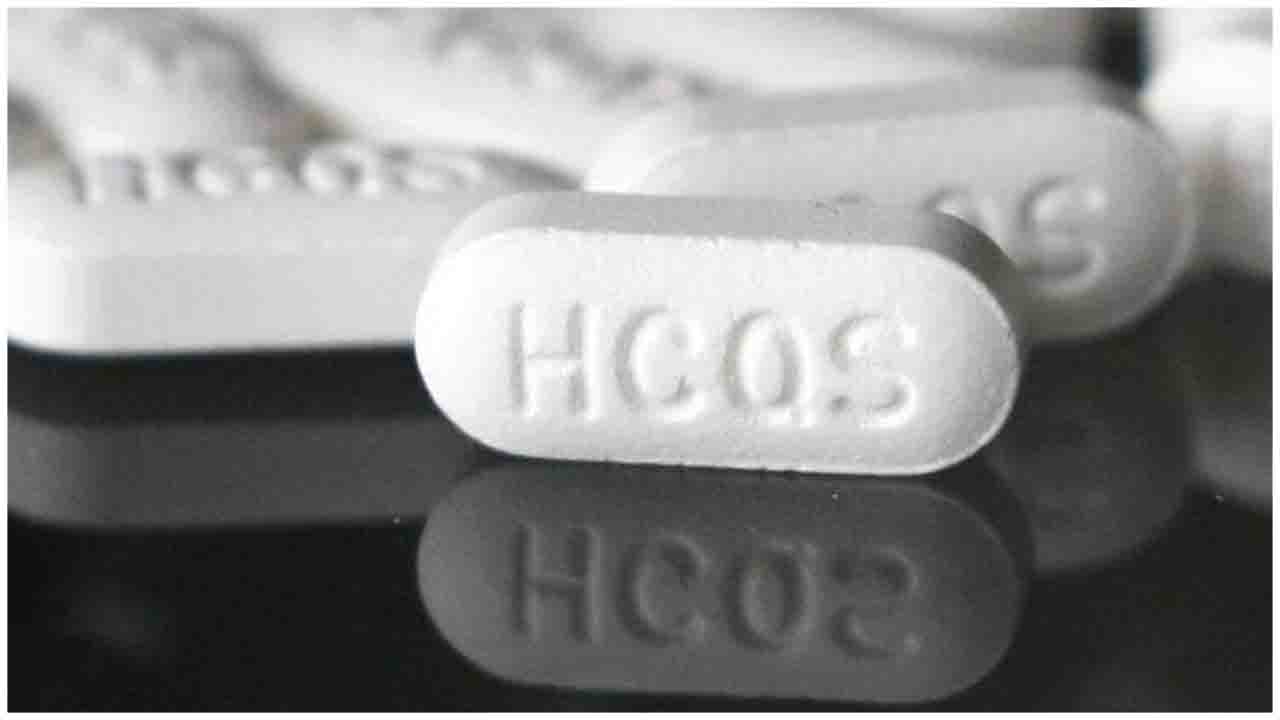
 Government lifts ban on exports, but worldwide including WHO, UK and FDA has advised against the use of HCQ for Coronavirus




The Government today lifted the export ban on antimalarial drug Hydroxychloroquine with immediate effect.
Directorate General of Foreign Trade in a notification said, the export policy of Hydroxychloroquine Active Pharmaceutical Ingredients, API and its formulations from prohibited to free with immediate effect.
The government on 25th of March had banned the export of the drug in the wake of the outbreak of COVID-19 Pandemic.Meanwhile, in the United States, the Food and Drug Administration (FDA) has revoked its emergency use authorization for the drugs Hydroxychloroquine and Chloroquine for the treatment of COVID-19 patients after concluding that they may not be effective to cure the virus infections.
The Food and Drug Administration (FDA) has said its decision is based on new information, including clinical trial data results, that have led it to conclude that the drugs may not be effective to treat COVID-19 and that its potential benefits for such use do not outweigh its known and potential risks.
FDA Chief Scientist Denise Hinton, in a letter dated 15th of June to Gary Disbrow of Biomedical Advanced Research and Development Authority (BARDA), said as of the date, the oral formulations of Hydroxychloroquine (HCQ) and Chloroquine (CQ) are no longer authorized by the FDA to treat COVID-19. She said that the FDA now believes that the suggested dosing regimens for CQ and HCQ are unlikely to produce an antiviral effect.
In another development today, the Health Ministry has issued an advisory for managing health care workers working in COVID and Non-COVID areas of the hospitals. The Health and Family Welfare Ministry said an Infection Control Officer cum Nodal Officer will be identified by each hospital to address all matters related to Healthcare-Associated Infections to prevent and manage the Covid-19 infection among the health care workers.
The Nodal Officer will ensure that healthcare workers shall use Personal Protective Equipment (PPEs) as per their risk profile while on duty. In the advisory, it is said, all healthcare workers managing COVID-19 cases are being provided with chemo-prophylaxis under medical supervision.
Healthcare workers have been asked to use appropriate PPE during their duties and any breach in PPE and exposure should immediately bring into the notice of the Nodal Officer of the Department.
It is recommended that pregnant, lactating mothers and immuno-compromised healthcare workers shall inform their medical condition to the hospital authorities to get them posted only in non-Covid areas.
It is advised that all the health care workers must report every exposure to COVID-19 to the concerned nodal officer of the Department immediately.
After the information, the Nodal officer will get the exact details of exposure to ascertain whether the exposure constitutes high risk or low-risk exposure.
The Nodal Officer will form a sub-committee to assess the level of exposure and the risk and further action will be taken on the basis of guidelines issued by the Health Ministry.






.jpeg)










.jpg)
.jpg)
.jpg)
.jpg)
.jpg)
.jpg)


.jpg)