 Thursday, October 08, 2026
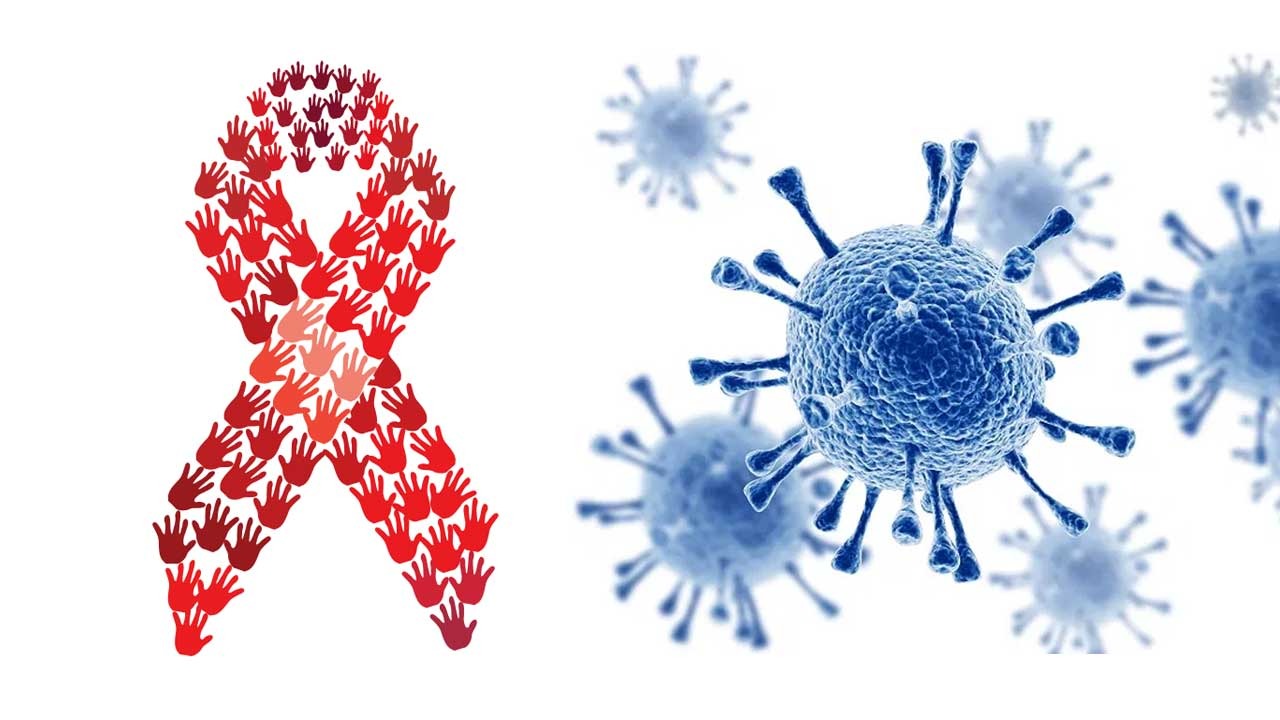
 Read on to understand the stand of the Joint United Nations Programme on HIV / AIDS (UNAID) and Covid 19 FAQ prepared by Centre of Disease Control and Prevention (CDC), US to address the health needs of people with HIV/AIDS.





According to the Joint United Nations Programme on HIV / AIDS (UNAID) portal “Governments must respect the human rights and dignity of people affected by COVID-19. The experiences learned from the HIV epidemic can be applied to the fight against COVID-19. As in the AIDS response, governments should work with communities to find local solutions. Key populations must not bear the brunt of increased stigma and discrimination as a result of the COVID-19 pandemic. We know that COVID-19 is a serious disease that is set to hit the countries with the highest burden of HIV very soon.”
To address the emerging demand of people to know the level of risks that Covid 19 poses on HIV positive people, the Centre of Disease Control and Prevention (CDC), US Department of Health & Human Services has prepared a Covid19 related HIV FAQ to clear all doubts of people suffering from HIV/AIDS. Summary of pertinent points from the FAQ is as below:
Risk level of people with HIV
Based on limited data, CDC informs that people with HIV undergoing effective treatment have the same risk from Covid19 as people without HIV. However, for those whose CD4 cell count is low or those who are not undergoing effective HIV treatment like antiretroviral therapy might get sicker in comparison to those who are undergoing effective treatment.
Are vaccines safe on HIV positives?
Covid 19 vaccines go through the same safety tests as all other vaccines to meet the safety standards. However, in case of any doubt, you can check the details of the exact vaccine that you are taking in order to be 100% sure. Since people with HIV suffer from an underlying medical condition, if you have had an immediate or severe allergic reaction to any of the vaccines previously, you should consult your doctor before taking the Covid 19 vaccine. Also, because of the underlying health conditions, you are advised to keep on taking Covid precautions even after you have taken the vaccine.
Tips for HIV positive people to stay fit in the corona era
- Avoiding exposure to the virus is the need of the hour.
- Never ignore everyday preventive actions to help curb Covid 19’s spread.
- Do not stop your HIV treatment.
- Follow all the advice of your doctor to keep your immune system as healthy as possible.
- Eat right, get sufficient sleep, take care of your stress levels as staying healthy means better ability to fight infection.
People with advanced stages of the disease and people who are older have higher risks from getting infections as per Centre of Disease Control and Prevention and therefore it advises people with HIV to ensure medicine stock of at least 30 to 90 days so that there is no sudden shortage. You should be vaccinated against seasonal flu and bacterial pneumonia. Staying in touch with healthcare providers especially remotely through telemedicine facilities is advisable. Have a strong social network so that you are socially connected and mentally healthy. Strong social connections would also help in readily getting any help required.





.jpeg)










.jpg)
.jpg)
.jpg)
.jpg)
.jpg)
.jpg)


.jpg)