 Monday, October 19, 2026
 Antiretroviral therapy (ART) drugs, commonly known as the "cocktail," can effectively manage HIV and prevent the progression to AIDS. These drugs work by suppressing the replication of the virus and reducing the amount of virus in bodily fluids, which in turn reduces the risk of transmitting the virus to sexual partners or unborn babies.




HIV is a disease that does not discriminate. Anyone can contract this disease, which is why it is important for people to be aware of how to protect themselves and prevent the transmission of HIV.
Globally, there are an estimated 38 million people who have HIV. Despite the virus only being identified in 1984, more than 35 million people have died of HIV or AIDS related illnesses, making it one of the most destructive pandemics in history.
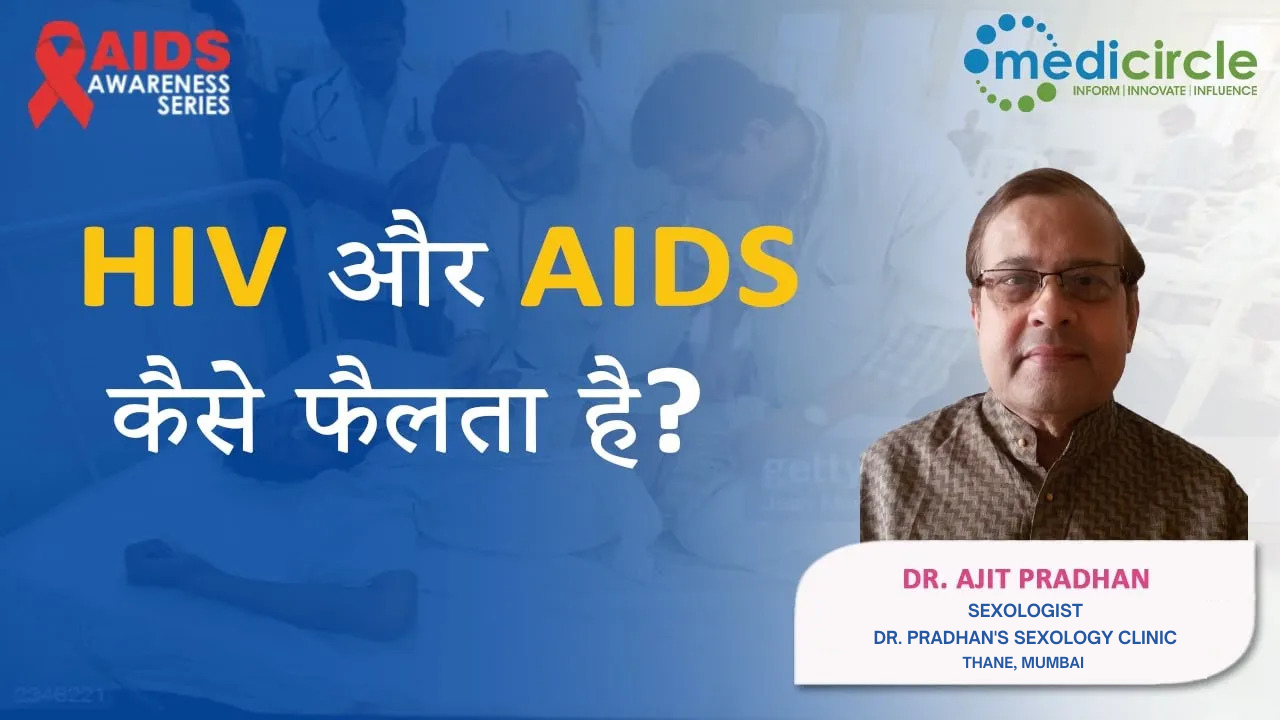
Dr Ajit Pradhan is a Consulting Sexologist and Relationship counsellor. And he is currently practicing at Dr Pradhan’s Sexology Clinic in Thane, Mumbai. For the past 42 years, he has worked as a Sexologist Physician.
WHAT ARE THE SIGNS OR SYMPTOMS OF AIDS AND HIV?
The symptoms of AIDS and HIV are:
- Fever
- Body pain
- Headache
- Sore throat
- Night sweating
- Sleepless nights
- Reduction in visibility
- Severe Diarrhea
- Cough
- Cancer
- Jaundice
- Herpes
HOW IS HIV VIRUS TRANSMITTED?
It is transmitted mainly through sexual intercourse.
It is also transmitted if you have unprotected sex with an unknown person and it is more seen in gay, bisexual people and extra martial affair cases.
Condom only gives 99%protection but not 100%. The virus can also transmit through any cut in the mouth or ulcer while deep kissing and the ulcer can enter the system deep within.
HIV Virus can enter into your body and develop into aids through Unprotected sex through vaginal, oral, or anal sex.
HIV virus cannot be transmitted through:
- Air
- Water
- Insect bite
- Sweat
- Kissing on the cheeks
- Sharing from the utensils
- Drinking from the same glass
- Sharing the toilet
WHAT IS AN ANTIBODY TEST?
If a person has had a sexual relationship with a man or woman and then develops any flu-like symptoms, they should get tested for HIV VIRUS TEST as soon as possible.
There are 3 kinds of tests-
- HIV Antibody Test -(detects virus in 33-90 days)
- Antibody Antigen test -(detects virus in 18-45 days)
- NAT (Nucleic Acid Test) -(detects virus in 10-33 days)
WHAT ARE THE COMPLICATIONS OF AIDS?
In coming in contact with the HIV Virus a person can develop the following complications:
- Tuberculosis
- Cancer
- Herpes Zoster
- Herpes Simplex
WHAT ARE SOME SUGGESTIONS FOR PREVENTING THE SPREAD OF HIV AND AIDS?
People should not have sex with an unknown person and if at all you do, you should use protection such as Condoms like female condom and male condom.
CAN YOU TAKE BREAK FROM YOUR HIV MEDICINES?
Earlier people could die within 3 to 5 years of being HIV Positive but now with the new medicine ART (antiretroviral therapy) one can live a normal life.
IS HIV AND AIDS A MANAGEABLE DISEASE?
HIV and Aids can be managed by the new cocktail or combinations of drugs in the market and it can also prevent the spreading of virus to their partner or other family members.
HIV/AIDS is a serious medical condition that can greatly impact a person's life. However, there are lifestyle changes that can help individuals living with HIV/AIDS manage their condition and improve their overall health and well-being. Lifestyle changes like sleeping for 7-8 hours, a healthy diet and exercise can help you preventing it from happening.
It's important to work closely with a healthcare provider to develop a personalized plan for managing HIV/AIDS and making lifestyle changes.
(Edited by Team medicircle)
Contributed By: Dr. Ajit Pradhan,Sexologist, Dr Pradhan's Sexology Clinic, Mumbai





-23-300x250.png)

.jpeg)









.jpg)
.jpg)
.jpg)
.jpg)
.jpg)
.jpg)
.jpg)

.jpg)
.jpg)
.jpg)