 Monday, October 12, 2026
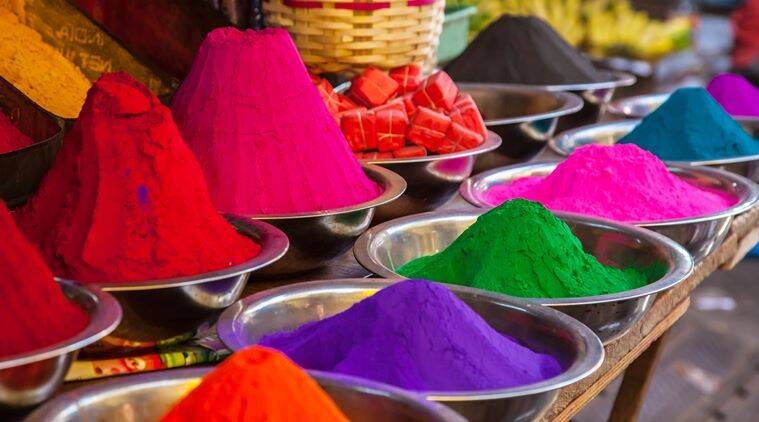
 Holi is around and so are colors. One needs to take care about the use of adultered colors which can cause many side effects. You must take precautions and check out the content and ingredients of colors.




The use of colors made from fake, adulterated chemicals harms the skin as well as the environment. Glass and dust particles present in these colors also work to degrade the quality of the air. Apart from colors, Gulal is used in Holi which contains these substances. According to experts, the amount of color particulate in the air also increases with the use of these fake and adulterated Gulal. Due to this, the risk of breathing problems and lung problems also increases. You can follow these methods to identify genuine and fake colors in the market.
It can be identified by dissolving the color in water. Before taking color from the market, put a small amount of it in water, if the color dissolves easily in water then it can be organic or natural color. Fake or adulterated colors do not completely dissolve in water. Too bright colors are also not natural. While buying colors in the market, keep in mind that you do not buy more bright colors. Actually, glass particles are also mixed in it to bring brightness to the colors. While buying colors from the market, do read about the many materials used in its manufacture. The ingredients used to make the colors sold in the packet are written on the label. You can identify real and fake colors by the smell of colors. If the smell of petrol or spirit is coming from the colors, then it may be adulterated colors.Side Effects of Using Adulterated or chemical-based Colors
Synthetic and harmful chemicals are used in making fake or adulterated colors sold in Holi. Malachite, carcinogenic, toxic chemicals like auramine and rhodamine used in the manufacture of these dyes are extremely harmful. The use of these colors can cause many serious problems.
Burning problem due to these colors getting in the eyes
Skin irritation and itching Skin allergies and infections Risk of diseases like eczema and cancer Risk of asthma and lung problemsBy adopting these simple methods, you can understand the difference between real and adulterated or fake colors available in the market.
(Disclaimer: The content on this site is for informational purposes only, and should not be taken as professional medical advice. Always seek the guidance of your doctor or other health professionals for any questions you may have regarding your health or a medical condition.)





.jpeg)










.jpg)
.jpg)
.jpg)
.jpg)
.jpg)
.jpg)


.jpg)