 Thursday, October 08, 2026
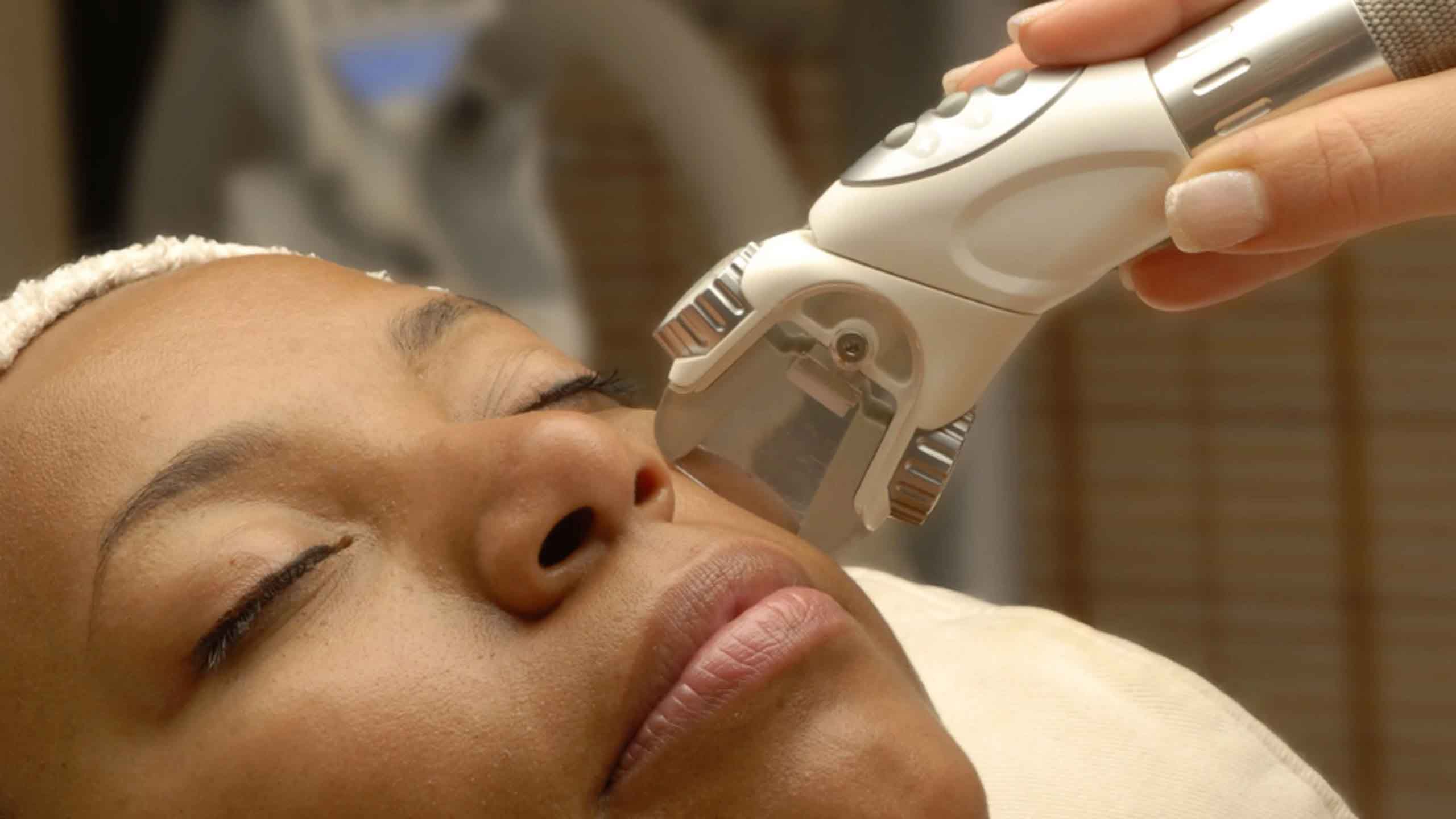
 In colloquial language, we call melasma disease freckles. It is also known as chloasma meaning green brownish skin. so, let us know the various causes of melasma which can let you know identify this brownish spot




What is Melasma or Chloasma
Melasma is also called Chloasma.
It is a disease associated with hyperpigmentation.
In this, dark brown or black spots appear on the face, neck, and hands of the person, that is, on those parts of the body where there is sunlight.
All you need to know about Melasma
In colloquial language, we call melasma disease freckles. It is also known as chloasma meaning green skin.
The problem of melasma mainly appears in a person due to the ultraviolet rays of the sun.
Melasma can happen to a person of any age. About 10% of men in India are victims of melasma.
But the problem of melasma is most commonly seen in women between the ages of 25 and 55. Apart from these, its problem is also seen more in people of dark complexion.
Symptoms of Melasma
When a person has melasma, dark brown, gray, or black spots appear on his face, especially above the nose, on the cheeks, on the forehead, on the chin, and above the lips.
In many people, spots are seen all over their skin, and in many people only around the forehead or nose or only around the jaws.
Why Melasma Happens
Melasma happens when -
In a person's body, the cells that give color to the body (melanocytes cells) start producing overproduction of melanin.
Due to which melanin accumulates in large quantities at a particular place in the skin. Then the color of that place starts turning dark brown or black. Due to which the problem of melasma starts appearing.
Apart from this, there are other reasons as well which include the cause of melasma –
Ultraviolet rays of the sun
The ultraviolet rays of the sun also help in the overproduction of melanin in the body. Which gather in one place and give rise to the problem of melasma.
Menstrual -
Melasma occurs due to fluctuations of estrogen and progesterone hormones in the body of women during menstruation.
Pregnancy -
During pregnancy, there are many changes in the internal hormones. Because of which you will get to see the problem of melasma in many women during pregnancy.
Contraceptive pills -
Taking birth control pills also causes melasma.
But by taking birth control pills, many hormone changes start taking place in the woman's body. Which causes the problem of melasma.
Hormone therapy -
If for some reason a person takes hormone therapy, then he becomes a victim of melasma.
Other factors -
Sometimes the problem of melasma also comes due to excessive stress, thyroid disease, genetics, and taking more antibiotics.
Melasma Treatment Cream / Best treatment for melasma on the face
As we have mentioned above, the main cause of Melasma is the ultraviolet rays of the Sun.
In such a situation, to avoid melasma, use sunscreen of 30 or more SPF on your skin before going out in the sun.
You should use sunscreen that has a good amount of zinc oxide or litenipamide oxide.
Let us tell you that the use of sunscreen is included in the best treatment of melasma. You can completely protect your skin from melasma if you use sunscreen before going out in the sun.





.jpeg)








.jpg)
.jpg)
.jpg)
.jpg)
.jpg)
.jpg)


.jpg)
.jpg)
.jpg)