 Thursday, October 08, 2026
 India breaches 14 lakh mark , increased testing is only way to fight back




The updated data by the Union Health Ministry showed India's Covid-19 tally at 14.3 lakh after biggest spike of nearly 50,000 cases and 708 deaths in a day. The number of active Covid-19 cases in India stood at 4,85,114 on Monday.
India's tally of confirmed novel coronavirus cases had breached the 13-lakh mark on Friday, July 24, a day after it exceeded 12 lakh cases on July 23.The Covid-19 tally in Maharashtra increased to 3,75,799 on Sunday with the single-day surge of 9,431 cases, the health department said. As the virus claimed 267 more lives, the state's death toll reached 13,656.
As many as 6,044 patients were discharged from hospitals on Sunday, taking the number of recovered persons to 2,13,238, the department said in a statement.
Total recoveries from Covid-19 today surpassed the 9 lakh mark. With this, the recovery rate stands at 63.92 per cent in the country. The case fatality rate has further declined to 2.28 percent in the country.
The Health and Family Welfare Ministry today said, a total of nine lakh 17 thousand 568 people have recovered in India so far and 31 thousand 991 recoveries have been reported in the past 24 hours. Statewise, Delhi stands at the top position with an 87.95 percent recovery rate. Ladakh, Haryana, Telangana and Assam are other top performing States and Union Territories wherein the recovery rate is above 74 percent. 17 States and Union Territories have better recovery rates than the national average of 63.92 percent. Maximum numbers of people have recovered in Maharashtra followed by Tamil Nadu, Delhi and Andhra Pradesh. In terms of fatality rate, there are 29 States and Union Territories which have lower fatality rates than the national average of fatality rate. In the total active cases, 68.83 percent caseloads are from Maharashtra, Karnataka, Tamil Nadu, Andhra Pradesh and Uttar Pradesh.
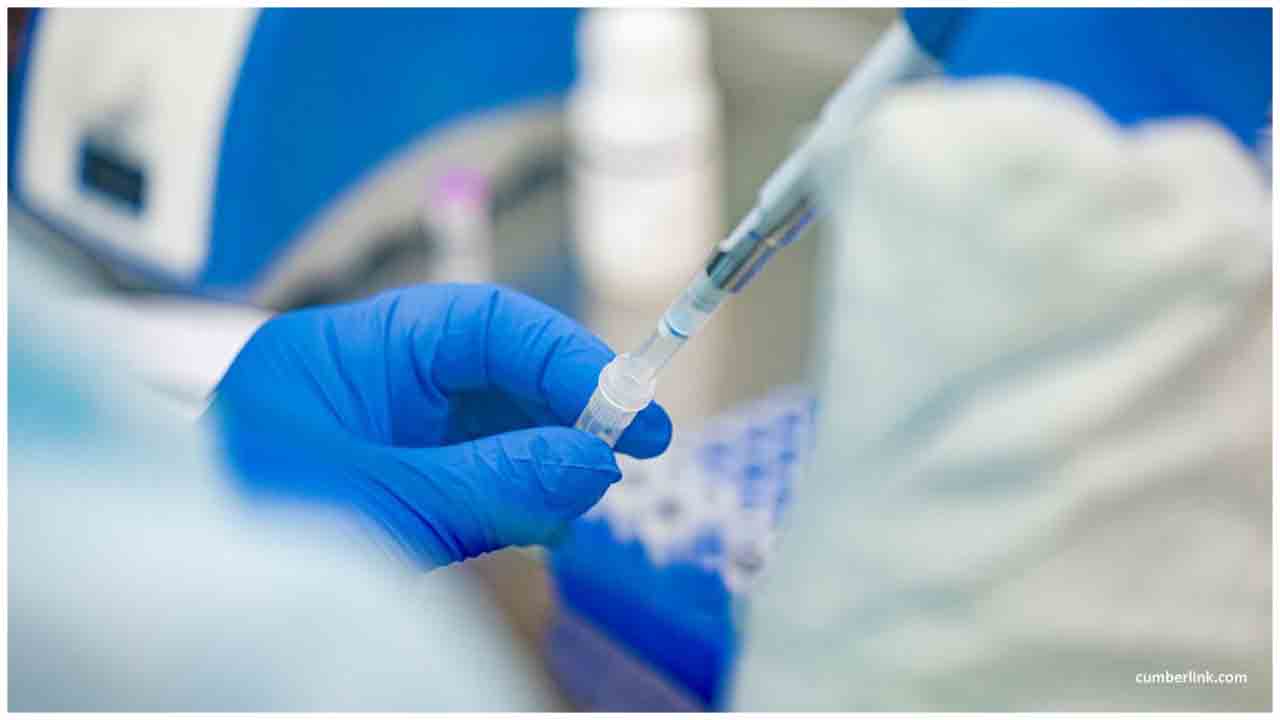
Meanwhile, Prime Minister Narendra Modi will today launch high throughput COVID-19 testing facilities through video conferencing. These facilities will ramp up testing capacity in the country and help in strengthening early detection and treatment, thus assisting in controlling the spread of the pandemic. Our correspondent reports that these three testing facilities have been set up strategically at ICMR-National Institute of Cancer Prevention and Research, Noida, ICMR-National Institute for Research in Reproductive Health, Mumbai and ICMR-National Institute of Cholera and Enteric Diseases, Kolkata.
The government has adopted the test-track-treat strategy for early detection and containment of the Covid-19 pandemic. These three new testing facilities have been set up in Noida, Mumbai and Kolkata and they will be able to test over ten thousand samples a day. These labs will also reduce turn-around-time and exposure of lab personnel to infectious clinical materials. The labs are enabled to test diseases other than COVID as well. Post the pandemic, the labs will be able to test for Hepatitis B and C, HIV, TB and Dengue. With Dipendra Kumar, Suparna Saikia, New Delhi.
Union Health Minister Dr. Harsh Vardhan, along with Chief Ministers of Maharashtra, West Bengal and Uttar Pradesh will participate in the event.






.jpeg)










.jpg)
.jpg)
.jpg)
.jpg)
.jpg)
.jpg)


.jpg)