India Covid-19 tally at 4288 with 117 deaths : Hospitals may be the next hotspots


Deprecated: strlen(): Passing null to parameter #1 ($string) of type string is deprecated in /home/medicircle/public_html/script_newsdetails.php on line 75
▴ India Covid-19
India COVID-19 tally increasing at a controlled rate.
On April 1, India had recorded 4,288 cases of Covid-19, including 117 deaths, according to John Hopkins University -- a relatively small number for a nation of 1.3 billion. While India's hospital system isn't overwhelmed yet, the repurposed trains could ease some of the pressure if the number of coronavirus patients begin to rise.America, Italy and Spain are witnessing the greatest number of COVID-19 infections. Doctors and nurses in Spain are in self-isolation and 14% of confirmed corona positive cases in the country are of medical staff. In Italy, the number is below 10%.
 
The doctors and other paramedical staff are worried that whether they may carry the virus home; the elderly and immune-compromised people and the others with comorbidities are at a higher risk. The doctors are taking maximum care so that they won’t become carriers. “Indian hospitals have been adequately equipped so far. The doctors and medical staff are well aware which is why they are taking all PPE and hygiene guidelines seriously. But controlling this pandemic needs the cooperation of the government and the public, which also includes medical staff. If a patient hides his/her history or symptoms, it will lead to more infections and situations like what happened at Ganga Ram where over 100 doctors have been quarantined.
 
However, we will need more PPE and more equipment in the coming weeks, because if hospitals start becoming spreaders of the contagion like it did in Italy, the situation could get much worse very quickly,” said Dr Dhiren Gupta, a senior consultant at New Delhi’s Sir Ganga Ram Hospital.

Tags : #COVID-19 #Patientstally #Hospitals

Related Stories

Loading Please wait...

-Advertisements-


Trending Now

AI and Clinical Trials: How ML Is Changing Patient RecruitmentNovember 05, 2026
Photon-Counting CT: What Indian Hospitals Need to KnowNovember 05, 2026
Rare Diseases in India: Navigating Diagnosis, Support and Long-Term CareNovember 05, 2026
Oral Health and Systemic Health: The Case for Routine Dental IntegrationNovember 05, 2026
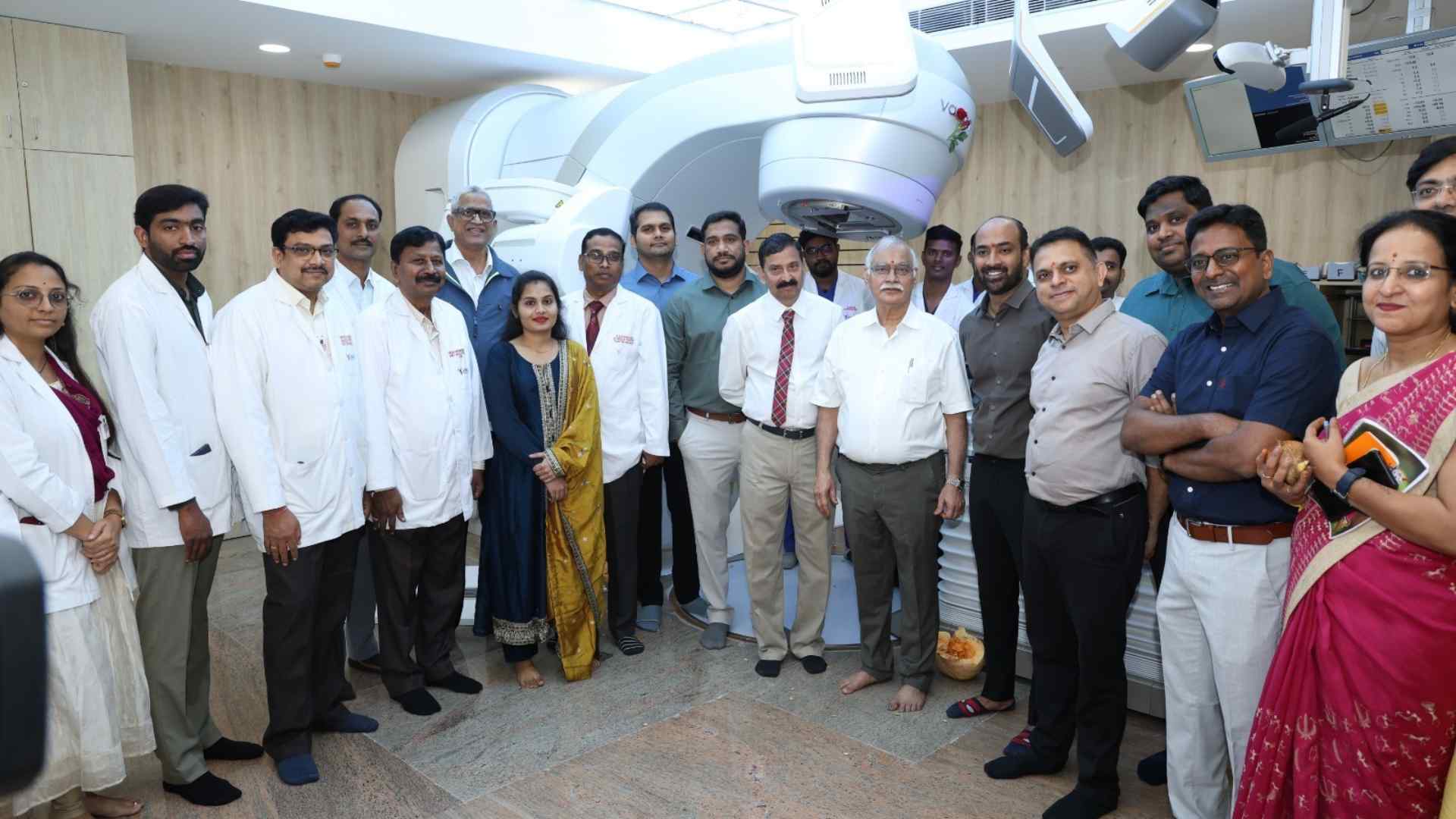
KIMS Hospitals Takes Another Major Step Forward in Cancer Care with Advanced TrueBeam TechnologyNovember 04, 2026
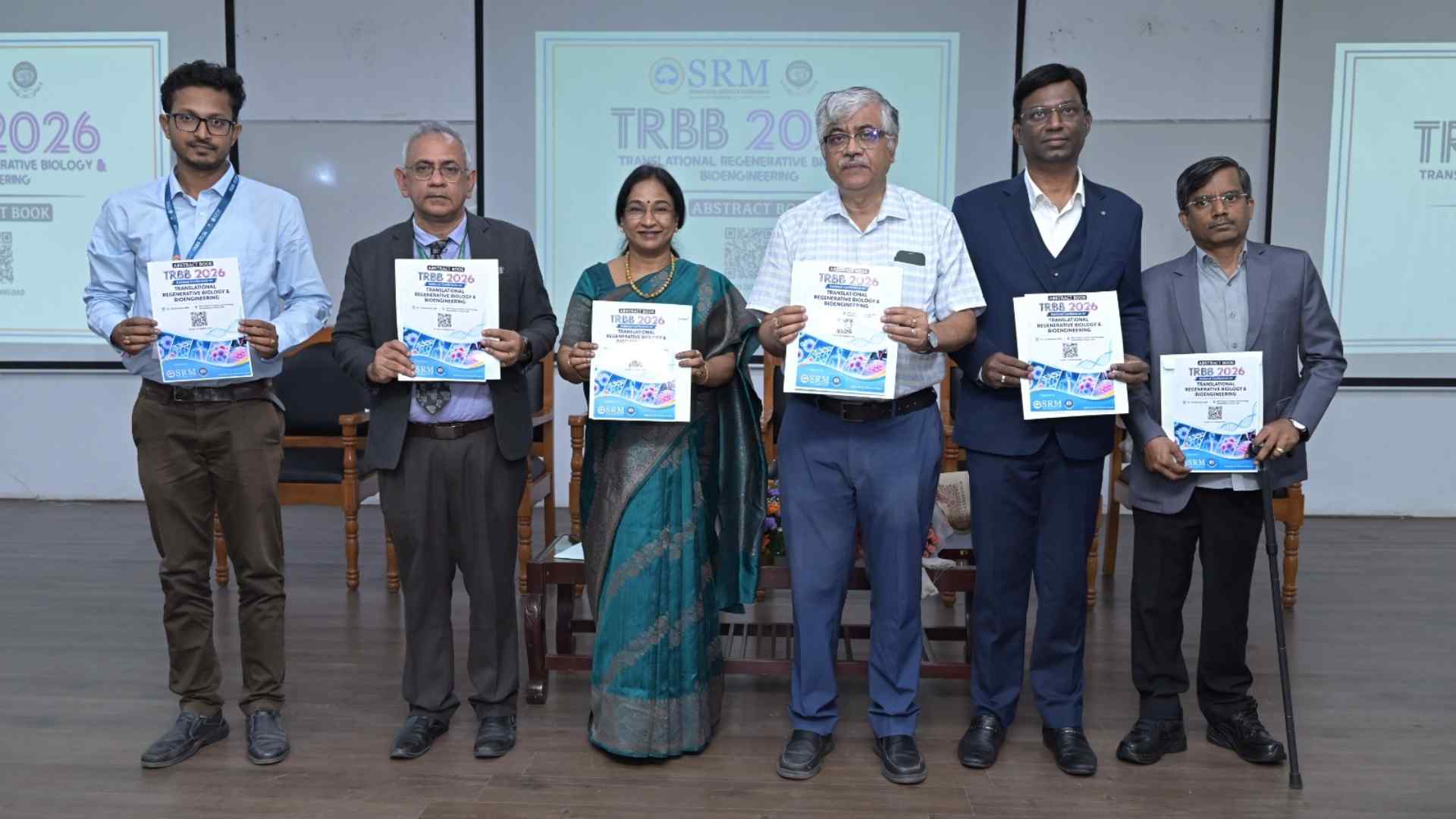
SRM Medical College Hospital and Research Centre Hosts National Conference on Translational Regenerative Biology and Bioengineering – TRBB 2026November 04, 2026
15-Month-Old Russian Baby Avoids Lung Transplant Following Treatment at MGM HealthcareNovember 04, 2026
Why Diabetes Care Must Go Beyond Blood Sugar ControlNovember 04, 2026
Sri Sathya Sai Heart Hospital Successfully Organises Free Heart Camp, Screening for 550 Patients in Dehradun, UttarakhandNovember 04, 2026
Expert Quote | Rising Air Pollution in Delhi | Agilus DiagnosticsNovember 04, 2026
Healthcare AI Safety Officers: India's New Leadership NeedNovember 04, 2026
Next-Generation Medical Imaging: Beyond Traditional ScansNovember 04, 2026
Menopause Care in India: Building Awareness Beyond Reproductive YearsNovember 04, 2026
Endometriosis in India: Why Diagnosis and Care Coordination MatterNovember 04, 2026
Newborn Screening in India: What Families Should Know About Early TestsNovember 03, 2026
Organ Donation in India: How the Transplant Coordination Journey WorksNovember 03, 2026
Digitising CSSD Instrument Tracking Across Hospital Sterilisation CyclesNovember 03, 2026
How Hospitals Can Audit AI Tools Before DeploymentNovember 03, 2026
Microfluidics in Healthcare: Why Tiny Technology Could Have a Huge ImpactNovember 03, 2026
Evaluating CTEPH: V/Q Scans, Right Heart Catheterization, & Pulmonary EndarterectomyNovember 02, 2026