Wednesday, October 07, 2026
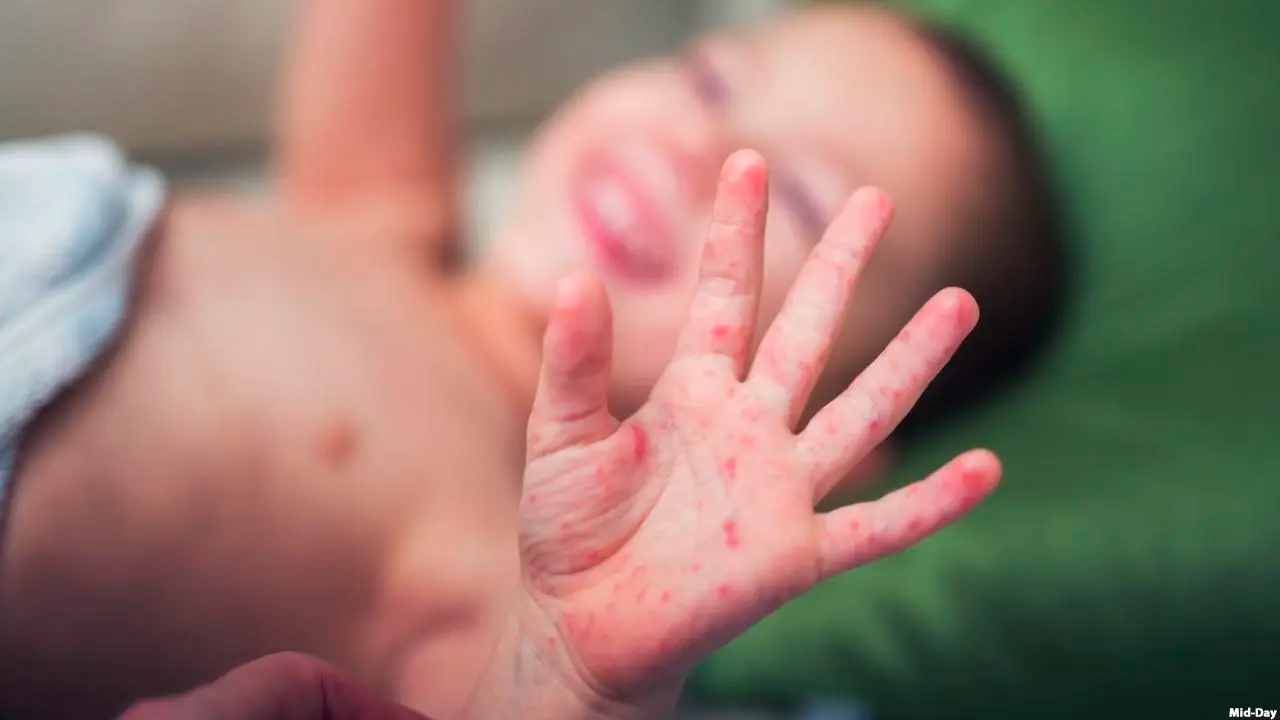
 India has set the target to eliminate measles by 2023. But it’s unfortunate that we are far from this aim. Let’s discover the reason along with creating awareness about its symptoms and precautionary measures to stop the spread.





Before the pandemic, India along with 11 nations of Southeast Asia targeted to eliminate measles in their countries by 2023. But it seems that India is far from its aim owing to the fact that India has witnessed approx. 13,000 cases of measles this year. As per the researchers, this might be due to the COVID-19 pandemic and low coverage of routine immunization of newborns.
Children in India receive their first dose of the measles vaccine when they are 9–12 months old and a second dose at 15–18 months. 95% of children need to have received both doses of the vaccine to achieve herd immunity. Herd immunity is developing antibodies against the virus in the majority so as to prevent the illness from spreading. But according to India’s National Family Health Survey, between 2019 and 2021, only 56% of children received the recommended two doses of the measles vaccine by the time they were 3 years old.
Measles is a highly-contagious infection, which infects the respiratory system of young children and then spreads throughout the body. It can also spread through air or exposure to infected droplets. So, coughing, sneezing, or close contact with a measles patient can lead to the spread of the disease. However, this is easily preventable with a vaccine.
Symptoms
- High fever
- Runny nose
- Sore throat and cough
- Conjunctivitis
- Skin rash around the face and upper neck
- White spots inside cheeks
Control the spread with these preventive measures
Know the symptoms – If you see these symptoms in your child, don’t ignore them and immediately seek medical treatment. This will help in starting the treatment on time and prevent any kind of serious complications.
Avoid direct contact – Measles spread through direct contact. Avoid any kind of direct contact with people who have been found infected.
Following hand hygiene – Following hand hygiene like washing hands regularly with soap and water helps prevent the spread of the virus.
Vaccination – Measles vaccines are the best way to prevent this infection. It is usually given to young children in two different doses. The first dose is given to children when they are 12-16 months old and the second at 4-6 years old. It is given in the form of the MMR vaccine. The two doses are 97% effective against this infection.
Adults who have never received either dose can contact the doctor for vaccination. Timely vaccination and precautionary measures can help attain this goal of measles elimination from the country.





.jpeg)




.jpg)
.jpg)
.jpg)
.jpg)
.jpg)
.jpg)


.jpg)
.jpg)
.jpg)
.jpg)
.jpg)
.jpg)