Tuesday, October 06, 2026
 Doctors confirm use of blood thinners is not a big concern in people lined up for vaccination




Using blood thinners may not be a possible risk factor for coronavirus vaccines and the government is considering allowing companies to drop it as a contraindication from the product fact-sheet, top officials said on Thursday.
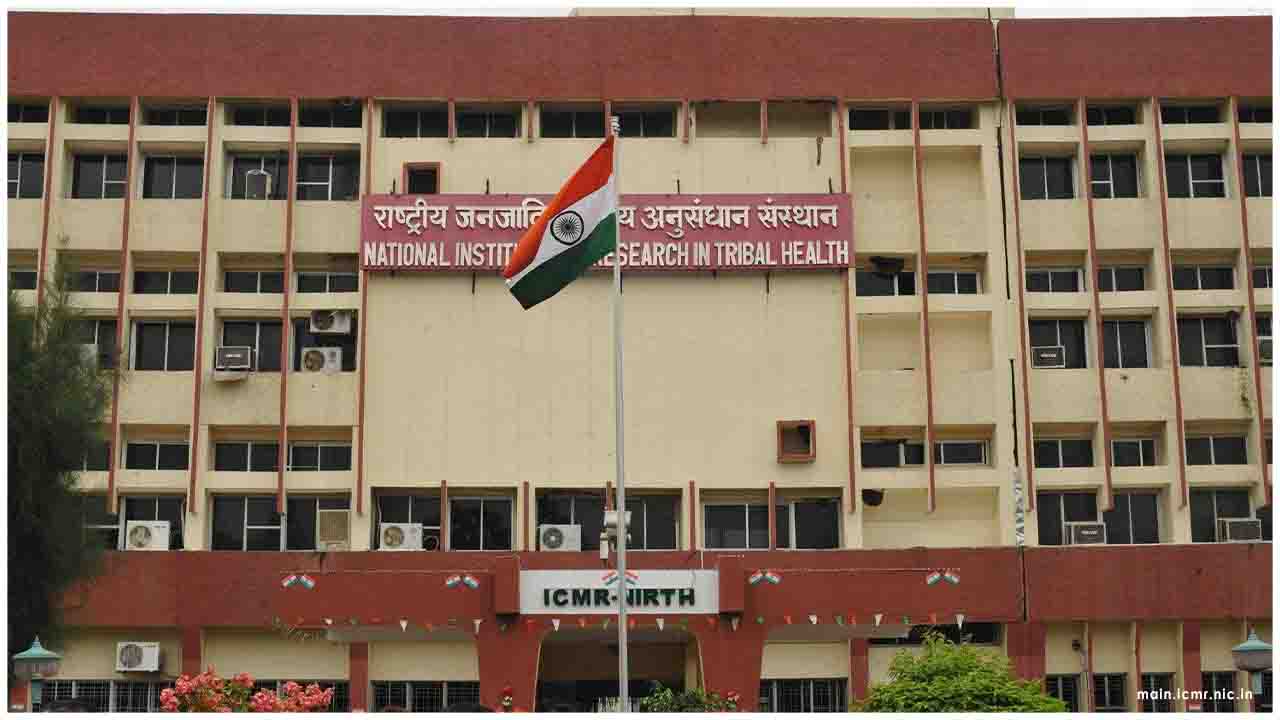
“The relative contraindication regarding the blood thinners is mentioned in the fact-sheet of both the vaccines and both the companies have written to the drugs controller general of India (DCGI) regarding changing this point in the fact-sheet,” said Dr Balram Bhargava, director general, Indian Council of Medical Research (ICMR).
“Blood thinners are of two categories- one is antiplatelets that are aspirin, or Clopidogrel and these are not a problem at all; the second is anticoagulants which are drugs like heparin etc. and those patients on these drugs have a much higher tendency to bleed. The only worry is that there can be a local haematoma (blood clot) or local swelling can occur where the injection site is. It is a very relative contraindication,” he said.
The fact-sheets put out by both the Covid-19 vaccine manufacturers had listed use of blood thinners as one of the contraindications for use of Covid-19 vaccine, which experts believe could have led to a huge chunk of Indians choosing to avoid getting the shots. A family of drugs that fall loosely under the umbrella are widely in use in the country due to rising numbers of people with cardiovascular diseases.
“The anticoagulant can be stopped for one or two days prior to giving the vaccine for those on this drug. For other blood thinners like aspirin or Clopidogrel, there are no contraindications, and that will be corrected and rectified in the fact-sheet as soon as the drugs control gives permission for the same,” Dr Bhargava explained.
India has set a target of vaccinating an estimated 300 million high risk population by August. In the first phase, 20 million health care and frontline workers will be vaccinated. Covid-19 vaccination drive began on January 16 in the country with health care workers getting vaccinated.
Doctors say use of blood thinners is not a big concern in people lined up for vaccination. “It is like the annual flu shot, and people on blood thinners also take the flu shot. This is not a major concern,” said Dr GC Khilnani, former, head of pulmonology and sleep medicine department, All India Institute of Medical Science, Delhi.
“As on today 9,000 vaccination sessions are held across the country in a day, which had started with 3,374 on the day of the launch. We track number of sessions scheduled, conducted and beneficiaries vaccinated. And what is the target and what has been the success rate,” said Rajesh Bhushan, secretary, Union health and family welfare ministry.
Story Source: https://www.hindustantimes.com/india-news/vaccine-safe-for-people-on-blood-thinners-icmr-101611857471941.html






.jpeg)
.jpg)
.jpg)
.jpg)
.jpg)
.jpg)
.jpg)


.jpg)
.jpg)
.jpg)
.jpg)
.jpg)
.jpg)