 Thursday, October 08, 2026
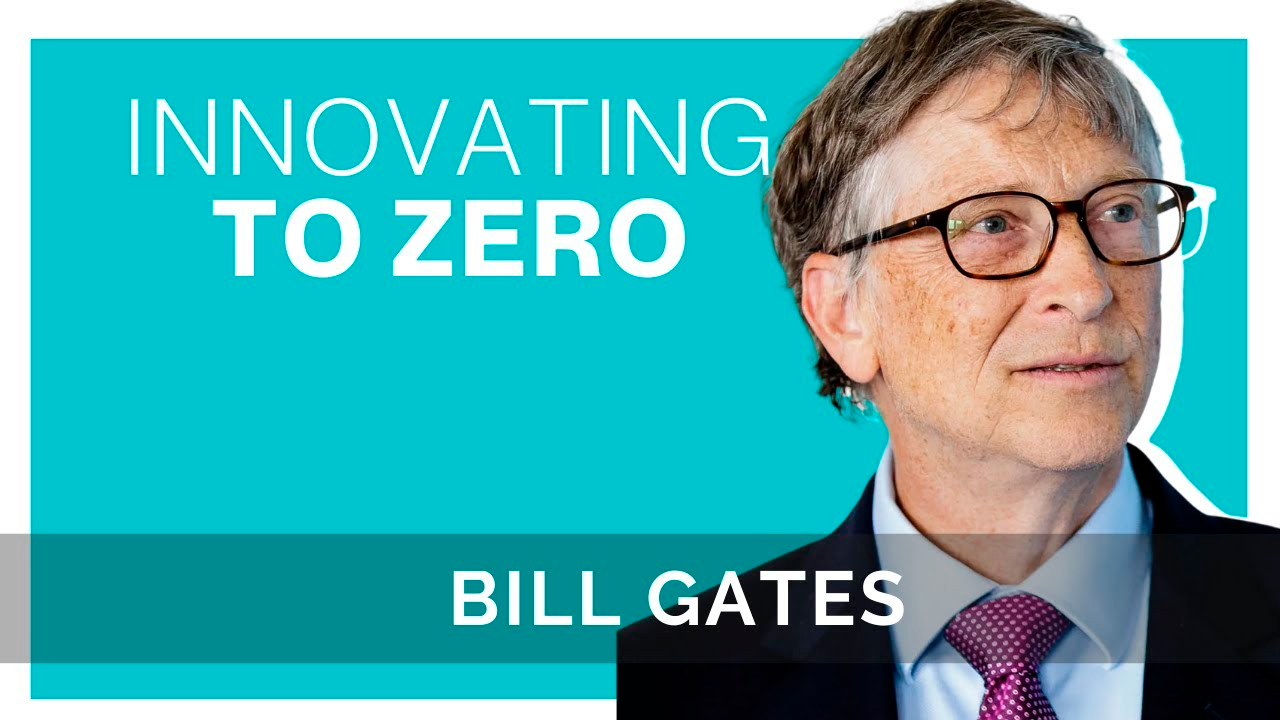
 Carbon emissions in the air have substantially increased. Let's see how Bill Gates' unique "Innovating to Zero" strategy will help to curtail or stop it.




Energy and climate are extremely important to us. Carbon Dioxide is quite harmful to this planet, if you see how much CO2 gets emitted, that leads to temperature increases and affects the environment negatively. Now that the climate is getting worse, crops will fail to grow after a while, either due to insufficient or excessive rain, and the fragile environment will be unable to support them. Now, this happens because of carbon emissions in the air.
We have been putting out a lot of carbon dioxide every year - around 26 billion tons. It's about 5 tons for everyone on the planet, and we have to change this and somehow bring it down to zero. Well, we can bring about changes in a lot of factors that will help us make this world a safe & healthy place.
"Innovating to Zero" was introduced by Bill Gates in TED 2010 speech. Bill Gates shares his vision of a world free of carbon emissions, negatives and defects. Innovating to Zero is more of a concept than a mission. It seems nearly impossible to imagine a picture- perfect world.
A world with zero waste, zero pollution, zero chemical emissions, zero accidents, zero diseases and zero wars will seem nearly impossible, but even if we achieve a fraction of it, we can make real progress.
Areas to work on:
Industries - We can come up with some new technologies or innovations that will reduce the release of toxins or pollutants from factories. Today, not just profit but also sustainability is a core business objective.
Italian fashion company, Gucci recently expressed its goal of becoming an entirely carbon neutral company, while German industrial manufacturing company Siemens is already working towards becoming the world's first major industrial company to achieve a net-zero carbon footprint by 2030.
Transport - The bad effects of vehicles are air pollution, congestion, and road accidents. Well, the automotive industry is already aware of these and is also taking some initiatives towards them. Electric cars or autonomous vehicles are examples of it. An electric car is a solution to zero vehicle emissions whereas an autonomous car targets the road accident issue.
Work place - Here, we can take this to zero paper use, zero client or customer complaints, zero exploitation, and zero delays in work to make this a better place to work.
Healthcare - There's a lot of scope for "Innovating to Zero" in the healthcare sector. Zero medical & zero chemical waste could be the long-term ambition. The Hospitals and pharmaceutical companies can try and reduce chemical & medical waste, which can be extremely hazardous to our health.
Basically, the true motive of this concept is to reduce carbon emissions and bring them down to zero. This will lead to an environmentally safe place to live that we can all look forward to.
This vision is just a wish unless we all put in an effort to make it happen. Let's take a step forward, and even a small but successful contribution towards the "innovating to Zero" concept will make a great difference.





.jpeg)










.jpg)
.jpg)
.jpg)
.jpg)
.jpg)
.jpg)


.jpg)