 Wednesday, October 28, 2026
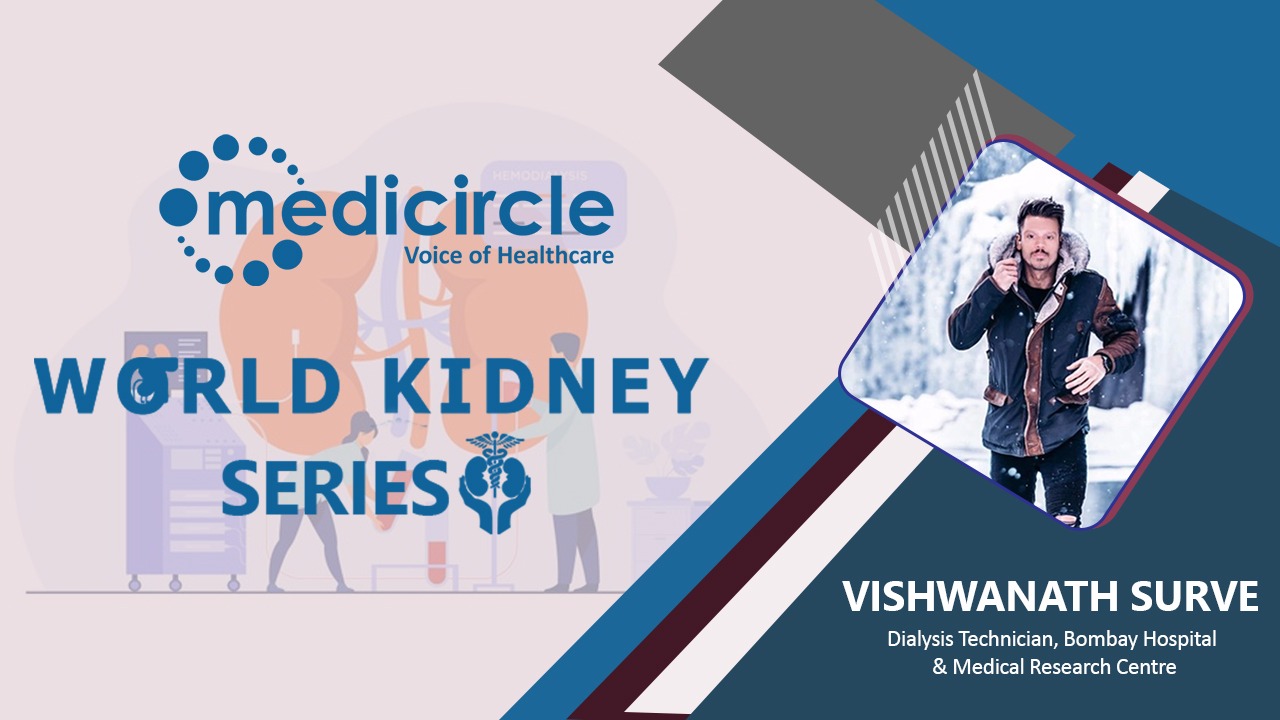
 Vishwanath Surve, Dialysis Technician Provides Inputs on Multiple Aspects related to Kidney Health and How to Identify that there is Protein in Urine.




The global burden of Kidney Disease is increasing and is projected to become the 5th most common cause of years of life lost globally by 2040. There is a need to increase the awareness of the importance of preventive measures as kidney disease can be prevented and progression to end-stage kidney disease can be delayed with appropriate access to basic diagnostics and early treatment. Medicircle presents Kidney Health Series to raise awareness about the importance of our kidneys to our overall health and to reduce the frequency and impact of kidney disease and its associated health problems.
Vishwanath Surve works as a Dialysis Technician at Bombay Hospital and Medical Research Centre.
Signals of Poor Kidney Health
Vishwanath highlights the following signs and symptoms that are detrimental for our kidneys:
“If you feel the need to urinate more often, especially at night, this can be a sign of kidney disease. When the kidney's filters are damaged, it can cause an increase in the urge to urinate. Sometimes this can also be a sign of a urinary infection or enlarged prostate in men. Healthy kidneys typically keep the blood cells in the body when filtering wastes from the blood to create urine, but when the kidney's filters have been damaged, these blood cells can start to "leak" out into the urine. In addition to signaling kidney disease, blood in the urine can be indicative of tumors, kidney stones, or an infection,” mentions Vishwanath.
There Could Be Protein in Urine
Vishwanath points out that “Protein in the urine is an early sign that the kidneys’ filters have been damaged, allowing the protein to leak into the urine. Puffiness around your eyes can be due to the fact that your kidneys are leaking a large amount of protein in the urine, rather than keeping it in the body. Excessive bubbles in the urine – especially those that require you to flush several times before they go away—indicate protein in the urine. This foam may look like the foam you see when scrambling eggs. This is because the common protein found in urine; albumin, is the same protein that is found in eggs,” explains Vishwanath.
Complications of Poor Kidney Health
Vishwanath lists down the following complications of poor kidney health:
“Decreased kidney function can lead to sodium retention, causing swelling in your feet and ankles. Swelling in the lower extremities can also be a sign of heart disease, liver disease, and chronic leg vein problems. This is a very general symptom, but a build-up of toxins that can result from reduced kidney function can be one of the complications. Electrolyte imbalances can result from impaired kidney function,” says Vishwanath.
Role of Sodium in Kidney Health
Vishwanath informs, “Sodium (salt) is a mineral found in almost all foods. Too much sodium can make you thirsty, which can lead to swelling and raise your blood pressure. This can damage your kidneys more and make your heart work harder. One of the best things that you can do to stay healthy is to limit how much sodium you eat. To limit sodium in your meal plan:
Do not add salt to your food when cooking or eating. Try cooking with fresh herbs, lemon juice, or other salt-free spices Choose fresh or frozen vegetables instead of canned vegetables. If you do use canned vegetables, drain and rinse them to remove extra salt before cooking or eating them Avoid processed meats Munch on fresh fruits and vegetables rather than crackers or other salty snacks Avoid canned soups and frozen dinners that are high in sodium Avoid pickled foods Limit high-sodium condiments like soy sauce, BBQ sauce, and ketchup,” says Vishwanath.
You May Have to Limit Carbohydrate Intake
Vishwanath mentions, “Carbohydrates are the easiest kind of energy for your body to use. Healthy sources of carbohydrates include fruits and vegetables. Unhealthy sources of carbohydrates include sugar, honey, hard candies, soft drinks, and other sugary drinks. Some carbohydrates are high in potassium and phosphorus, which you may need to limit depending on the stage of your kidney disease,” says Vishwanath.
(Edited by Amrita Priya)




-23-300x250.png)

.jpeg)








.jpg)
.jpg)
.jpg)
.jpg)
.jpg)
.jpg)
.jpg)
.jpg)
.jpg)

