 Sunday, October 11, 2026
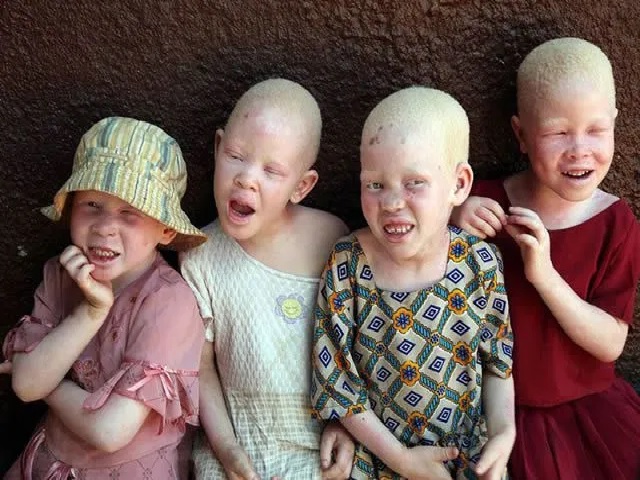
 Lets us support the persons with albinism to get a healthy life. The theme “Strength Beyond All Odds” this year 2021 will allow us to stay united with albinism patients. Persons with albinism must be monitored closely to eliminate all the compications.




International World Albinism Day 2021 falls on 13 th June. The theme for World Albinism Day is “Strength Beyond all Odds.” The world celebrates International Albinism Awareness Day (IAAD) to call, recognize, celebrate and stand in support of albinism patients across the globe.
The theme “Strength Beyond All Odds” calls to support the cause, rights, and achievements of albinism patients around the globe. Albinism suffers social stigma, obstacles in access to areas of health and education, and ignorance in social and political areas.
What is Albinism?
Albinism is a congenital condition characterized by a complete or partial lack of pigmentation in skin, hair, and eyes. This is accompanied by a number of vision defects including amblyopia, nystagmus, and photophobia. The condition can last for even years or a lifetime.
History of Albinism Day
The International Albinism Day is being observed since 2014 after the UN General Assembly adopted a resolution declaring June 13th, 2019 as International Albinism Awareness Day
The day is celebrated annually on June 13 th. Each June 13 th, the world is reminded that people with albinism deserve their rights to live life and protect their security. Persons with albinism go through a lot of hurdles and obstacles. They face these challenges to their human rights ranging from stigma to discrimination in cases of health and education. These barriers should be removed by society so that patients suffering from albinism must be able to live normally.
Know more about albinism
Albinism is a rare, noncontagious inherited disorder present at birth. It is found in both sexes regardless of ethnicity worldwide. There is a lack of pigmentation or melanin in the hair, skin, and eyes which can impair vision making you dependent. Early detection and intervention are required to delay the progression of disease especially in the case of impaired vision. Some patients suffering from albinism may be prone to cancer. Many albinism patients die from skin cancer between the age of 30 - 40 years.
Health safety measures for the albinism patients
It is important for patients suffering from albinism to protect themselves with the following measures:
Regular health checkups Close monitoring of diet and exercise Sunscreen Sunglasses Sun protective clothing Regular counselling Mental and physical health check ‘ Blood testThese should be available to all patients suffering from albinism worldwide
Complications of Albinism
Vision Impairment
Due to lack of the melanin in the eyes, persons with albinism have a visual and ocular impairment which may lead to disability. Therefore the experts stress regular eye check-ups.
Mental illness
Struggling with the social stigma and discrimination when they are looked down on mainly happens with people having albinism. There should be targeted human rights intervention to achieve sustainable goals which allow them to stay in balanced condition and keep stress at bay
Skin cancer
It is important to check their blood levels regularly. It is important to closely monitor if they are suffering from any signs of skin cancer.





.jpeg)










.jpg)
.jpg)
.jpg)
.jpg)
.jpg)
.jpg)


.jpg)