Wednesday, October 28, 2026
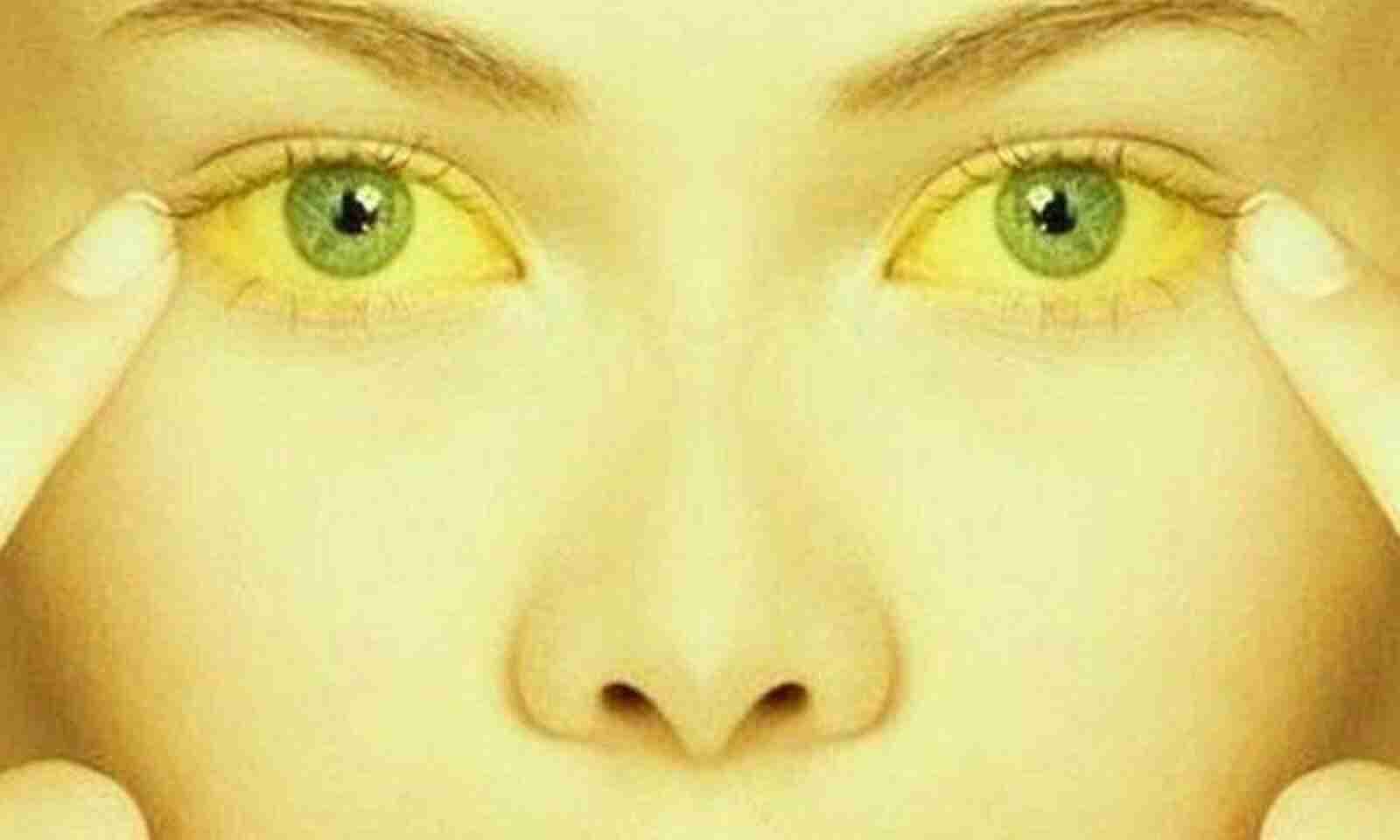
 In jaundice, the white parts of the eyes and skin turn yellow due to the increase of bilirubin in the blood of people. This is a serious disease that people often think of as normal. This disease also affects the liver of people, so it is very important to treat it at the right time, otherwise, it can cause great harm to the patient and his health.




Jaundice can be caused due to many reasons. Through this article, we will give you complete information about jaundice. Friends! We all know that nowadays people are being surrounded by many diseases. One of them is Jaundice which people consider normal but it is as dangerous as it looks ordinary. In this post today we are going to tell you some things related to jaundice. What is jaundice, what are its causes and symptoms? and what you should avoid in Jaundice
What is Jaundice?
Many people panic when they have jaundice or jaundice and start taking many other measures with medicines, but do you know that this jaundice can also be treated at home. It can be treated with the help of some home remedies. In Ayurveda also many remedies have been prescribed for the treatment of jaundice. Today we are going to tell you some important things to avoid in Jaundice
There is a color called bile to burn in our blood, due to which there is yellowness in our body and skin. This condition is called jaundice or jaundice. Usually, the amount of this bile in the blood is 1 percent, but when its amount exceeds 2.5, then symptoms of jaundice are seen. There is a risk of getting this disease by eating contaminated water or spoiled food.
Who can be affected by Jaundice?
This disease is mostly seen in newborn children. A person who consumes alcohol can also get jaundice. This disease also affects the liver.
What are the symptoms of jaundice?
Jaundice causes symptoms like fatigue, headache, itching in the skin, mild fever, yellowing of eyes and skin, nausea, loss of appetite. When someone has jaundice, the color of his stool becomes yellow and the urine becomes thick.
What should be avoided in this disease?
When there is jaundice, fried-roasted, more chili-spicy food can prove to be very harmful to health. At such a time, one should stay away from eating fatty food, meat, fish, eggs, maida, gram flour dishes, sweets, etc. for at least 20-25 days. Outside food should be avoided. Lentils and beans should not be consumed at all. Alcohol can affect the liver, so its consumption is harmful not only in the disease of jaundice but its consumption at any time.
Jaundice takes more time to cure due to eating more salt or pickle. Caffeine present in tea or coffee becomes a hindrance in curing jaundice. It is not good at all to eat butter at such a time. Butter is high in fat, which increases the patient's stress. One should avoid eating protein-rich food like fish, egg as it is very difficult to digest.
Disclaimer: The content on this site is for informational purposes only, and should not be taken as professional medical advice. Always seek the guidance of your doctor or other health professionals for any questions you may have regarding your health or a medical condition.




-23-300x250.png)

.jpeg)







.jpg)
.jpg)
.jpg)
.jpg)
.jpg)
.jpg)
.jpg)
.jpg)
.jpg)