 Wednesday, November 18, 2026
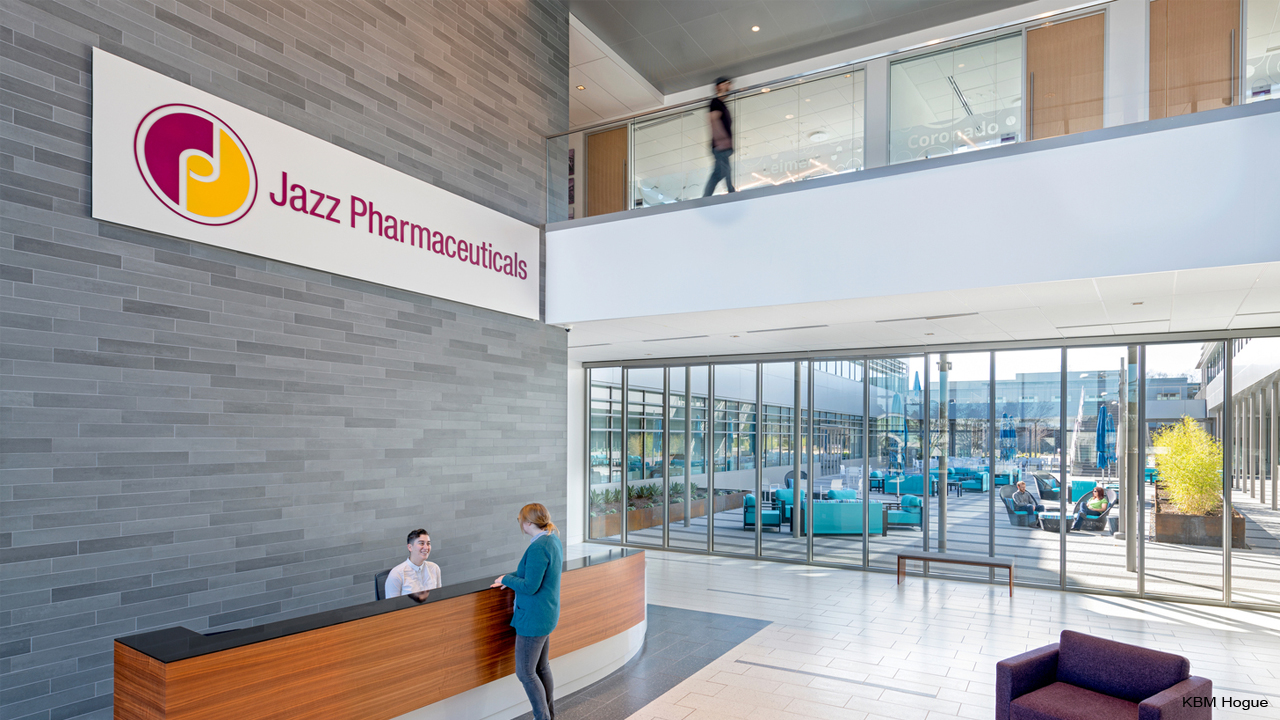
 The pharma company continues to plan for a mid-2021 launch of JZP-458 following completion of the BLA submission and US FDA review and approval.





Jazz Pharmaceuticals plc recently announced that the company has initiated the submission of a Biologics License Application to the U.S. FDA seeking marketing approval for JZP-458 for use as a component of a multi-agent chemotherapeutic regimen for the treatment of acute lymphoblastic leukemia (ALL) or lymphoblastic lymphoma (LBL) in adult and pediatric patients who have developed hypersensitivity or silent inactivation to E. coli-derived asparaginase.
The BLA was initiated and will be reviewed under the Real-Time Oncology Review (RTOR) pilot program, an initiative of the FDA's Oncology Center of Excellence designed to expedite the delivery of safe and effective cancer treatments to patients.
"Given the urgent need for a reliable and high-quality recombinant asparaginase option for patients with hypersensitivity to E. coli-derived asparaginase, we are committed to bringing JZP-458 to market as quickly as possible and pleased to be initiating our BLA submission," said Robert Iannone, M.D., M.S.C.E., executive vice president, research and development of Jazz Pharmaceuticals. "Receiving a Fast Track designation for JZP-458 from the FDA in October 2019 and being able to submit the BLA under the RTOR program is significant, potentially allowing us to more quickly address patient need with a new asparaginase option."
The company continues to plan for a mid-2021 launch of JZP-458 following completion of the BLA submission and FDA review and approval.
An ongoing Phase 2/3 study is being conducted in collaboration with the Children's Oncology Group (COG) to evaluate JZP-458 as a potential treatment option for pediatric and adult patients with ALL or LBL who are hypersensitive to E. coli-derived asparaginases. Hypersensitivity reactions affect up to 30 per cent of patients with ALL and LBL who are treated with E. coli-derived asparaginase.1
JZP-458 is a recombinant Erwinia asparaginase that uses a novel Pseudomonas fluorescens expression platform. It is being developed for use as a component of a multi-agent chemotherapeutic regimen in the treatment of pediatric and adult patients with acute lymphoblastic leukemia (ALL) or lymphoblastic lymphoma (LBL) who are hypersensitive to E. coli-derived asparaginase products. JZP-458 was granted Fast Track designation by the U.S. Food and Drug Administration in October 2019 for the treatment of this patient population.
Acute lymphoblastic leukemia (ALL) is a cancer of the blood and bone marrow that can progress quickly if not treated. Leukemia is the most common cancer in children, and about three out of four of these cases are ALL. Although it is one of the most common cancers in children, ALL is among the most curable of the pediatric malignancies due to recent advancements in treatment. Adults can also develop ALL, and about four of every 10 cases of ALL diagnosed are in adults. The American Cancer Society estimates that almost 6,000 new cases of ALL will be diagnosed in the United States in 2019. Asparaginase is a core component of multi-agent chemotherapeutic regimens in ALL. However, asparaginase treatments derived from E. coli are associated with the potential for development of hypersensitivity reactions.





-23-300x250.png)





















