 Saturday, October 10, 2026
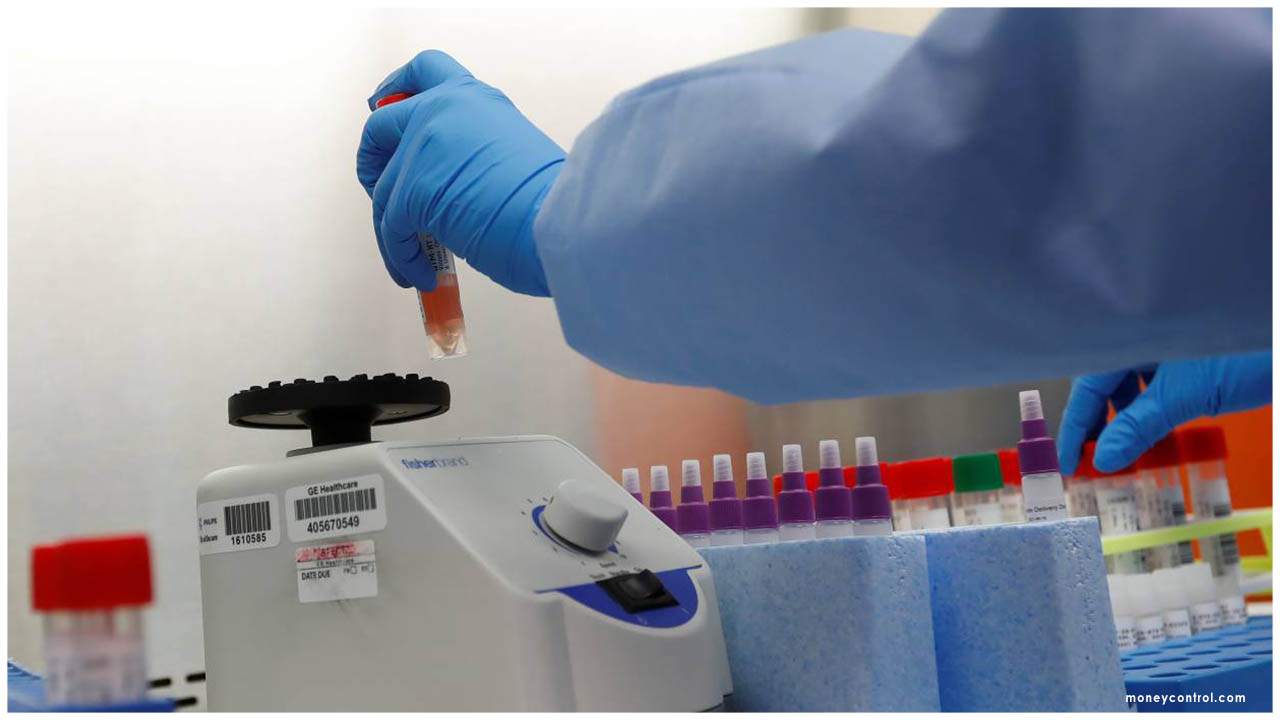
 Jharkhand and Rajasthan has capped RTPCR test prices as component prices fall




The Jharkhand government on Tuesday slashed the maximum price of RT-PCR tests for COVID-19 to be charged by private laboratories to Rs 1,500, officials said. The state government on June 29 had capped the rate at Rs 2,400. The decision was taken in view of the fall in rates of the kits and related items required to conduct the tests, officials said. Action will be taken against any private lab that charges more than the fixed-rate, as per an order issued by the government.
The prescribed rates of COVID-19 tests at private hospitals and laboratories in Rajasthan have been reduced to Rs 1,200. Health Minister Dr Raghu Sharma said that the prices of RT-PCR testing kit, reagents, VTM kit and other consumables have reduced, so it was decided to provide the testing facility to the general public at lower prices. This decision was taken after consultation with Sawai Man Singh Medical College senior doctors and other subject experts. Meanwhile, CM Ashok Gehlot interacted with top doctors and discussed the pros and cons of Covid 19 management.
Meanwhile, States were asked to constitute Infection Prevention and Control Committees. Hospitals were also to identify a nodal officer who will monitor the healthcare workers and review their exposure status. High-risk exposures are placed under quarantine for 7 days.
Based on their exposure/clinical profile such doctors, nursing officers and other health workers, to take a decision by the Nodal Officer/Head of the Department (or his appointed Sub-committee) for further period on one week. An advisory for managing health working in COVID and Non-COVID areas of the hospital was issued by the Ministry of Health and Family Welfare on 18th June, 2020.
Ministry of Health & Family Welfare has issued guidelines on Rational use of PPEs for healthcare workers including other field level workers. The guidelines prescribe the type of PPEs to be used in Commensurate with their risk to contract the disease in work-place settings. It has also provided a guideline on Infection Prevention and Control practices to the State Governments. States were requested to train the hospital functionaries on infection prevention and control practices. Training on Infection Prevention and Control was also made available for all categories of healthcare workers on the iGoT platform.
This information was given by Minister of State for Social Justice and Empowerment Shri Ramdas Athawale in a written reply in Rajya Sabha today.






.jpeg)










.jpg)
.jpg)
.jpg)
.jpg)
.jpg)
.jpg)


.jpg)