 Thursday, October 08, 2026
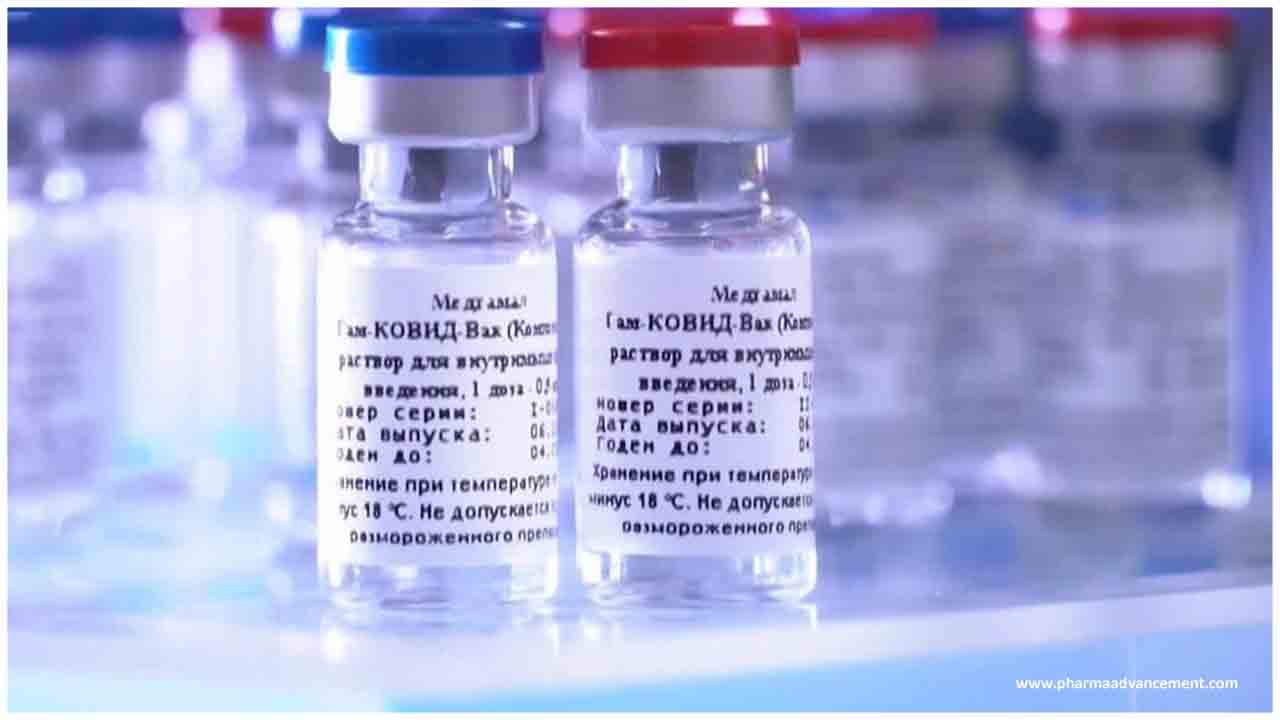
 RDIF and Trinity Pharmaceuticals agree to supply 25 million doses of Sputnik V vaccine to Nepal




The Russian Direct Investment Fund (RDIF), Russia's sovereign wealth fund, and one of the leading pharmaceutical distributors in Nepal, Trinity Pharmaceuticals, have agreed to supply to the country 25 million doses of the Sputnik V vaccine based on a well-studied human adenoviral vectors platform.
The agreement will enable 90% of population of Nepal to get access to Sputnik V vaccine and provide country's clinics with an anti-COVID vaccine with proven safety and efficacy.
The agreement underlines that many countries recognize the importance of having a vaccine based on a human adenoviral vector platform in the coronavirus vaccine portfolio. The human adenoviral vector platform is a well-researched vaccine platform that has been proven safe over decades including through 75 international scientific publications and in more than 250 clinical trials.
Clinical trials of the Russian vaccine have shown no serious adverse events, with Sputnik V generating a stable humoral and cellular immune response in 100% of participants. In contrast, vaccines based on novel platforms have yet to prove their safety and currently have no data on carcinogenicity or effects on fertility.
On August 11, the Sputnik V vaccine developed by the Gamaleya National Research Institute of Epidemiology and Microbiology was registered by the Ministry of Health of Russia and became the world's first registered vaccine against COVID-19 based on the human adenoviral vectors platform. Detailed information on the Sputnik V vaccine, the technological platform of human adenoviral vectors, and other details are available at sputnikvaccine.com
On September 4, a research paper on the results of Phase I and Phase II clinical trials of the Sputnik V vaccine was published in The Lancet, one of the leading international medical journals, demonstrating no serious adverse effects and a stable immune response in 100% of participants. Post-registration clinical trials of the Sputnik V vaccine involving 40,000 volunteers are currently ongoing. More than 60,000 volunteers have applied to take part in post-registration trials. The first results of these trials are expected to be published in October-November 2020.
More than 50 countries in Asia, Middle East, Latin America, Europe and CIS have applied for Sputnik V. RDIF has announced earlier supply agreements with Mexico for 32 million doses, with Brazil for up to 50 million doses, India – 100 million doses and Uzbekistan – for up to 35 million doses.
Kirill Dmitriev, CEO of the Russian Direct Investment Fund, said: "Thanks to agreement with Trinity Pharmaceuticals about 90% of population of Nepal will be provided with Sputnik V vaccine. Unlike experimental vaccines based on monkey adenovirus or mRNA, Sputnik V vaccine was created on human adenoviral vectors platform, which has been studied over decades and has proven no negative effects in the long-term. We see a strong interest from other partners in Asia. In this regard, RDIF is ready to supply Sputnik V vaccine to the countries of the region as novel coronavirus infection is our common enemy which can be defeated only by joining our efforts."
Kishor Adhikari, Director of Trinity Pharmaceuticals, said: "We are excited to announce our cooperation with Russian Direct Investment Fund. Trinity is waiting for results of the final trial of Sputnik V. As soon as the vaccine is approved by Government of Nepal we will make it available for the population of Nepal."






.jpeg)








.jpg)
.jpg)
.jpg)
.jpg)
.jpg)
.jpg)


.jpg)
.jpg)
.jpg)