 Thursday, October 08, 2026
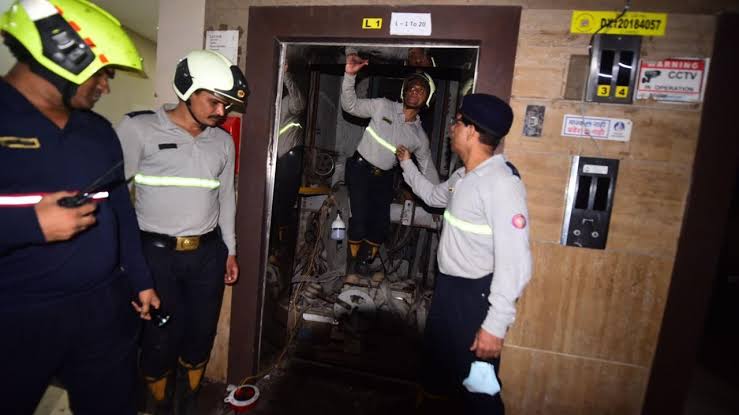
 14 people were injured after a lift crashed from the fourth floor of the Mumbai Kamala Mills compound on Tuesday morning; At least 12-14 people got injured out of which 9 them are hospitalized




At least 14 people were injured after an elevator collapsed from the fourth floor to the ground floor in the Trade World Tower C at Mumbai’s Kamala Mills compound at around 10:45 on Wednesday. The building is a ground-plus 16-storey structure and houses several corporate offices and prominent restaurants.
As per Brihamumbai Municipal Corporation (BMC) officials, there were 14 people in the lift out of which 8 of them got rushed to the hospital in Parel and the remaining of them sustain Injuries. Officials further added “All the injured patients are now stable”
Elevators are a common mode of transportation in buildings, and they are designed to be safe and reliable. However, accidents can happen, and when they do, they can have a significant impact on the health of the injured individuals.
Physical Injuries
One of the most immediate impacts of lift accidents is physical injuries. Depending on the severity of the accident, individuals may suffer from fractures, cuts, bruises, and other injuries. These injuries can be painful and require medical attention, which can be costly and time-consuming. In severe cases, individuals may require hospitalization or surgery, which can result in a longer recovery time and may lead to permanent disabilities.
Psychological Effects
In addition to physical injuries, lift accidents can also have psychological effects on the injured individuals. The experience of being trapped in an elevator or falling from a great height can be traumatic and lead to post-traumatic stress disorder (PTSD), anxiety, and depression. These psychological effects can be long-lasting and require professional help to overcome.
Preventive measures
1. To prevent accidents like elevator collapses, regular maintenance and inspections should be conducted on elevators to ensure that they are functioning properly and safely.
2. It is also important to follow weight limits and not overload elevators. In case of any malfunction or unusual noises, it is essential to report it immediately to the building management or elevator maintenance company.
3. Additionally, elevators should be equipped with safety features such as emergency brakes, alarms, and backup power supplies to ensure the safety of passengers.
Lift accidents can have a significant impact on the health of the injured individuals. Physical injuries and psychological effects. Injured individuals should seek medical attention and professional help to address any physical or psychological effects of the accident





.jpeg)










.jpg)
.jpg)
.jpg)
.jpg)
.jpg)
.jpg)


.jpg)