 Thursday, October 08, 2026
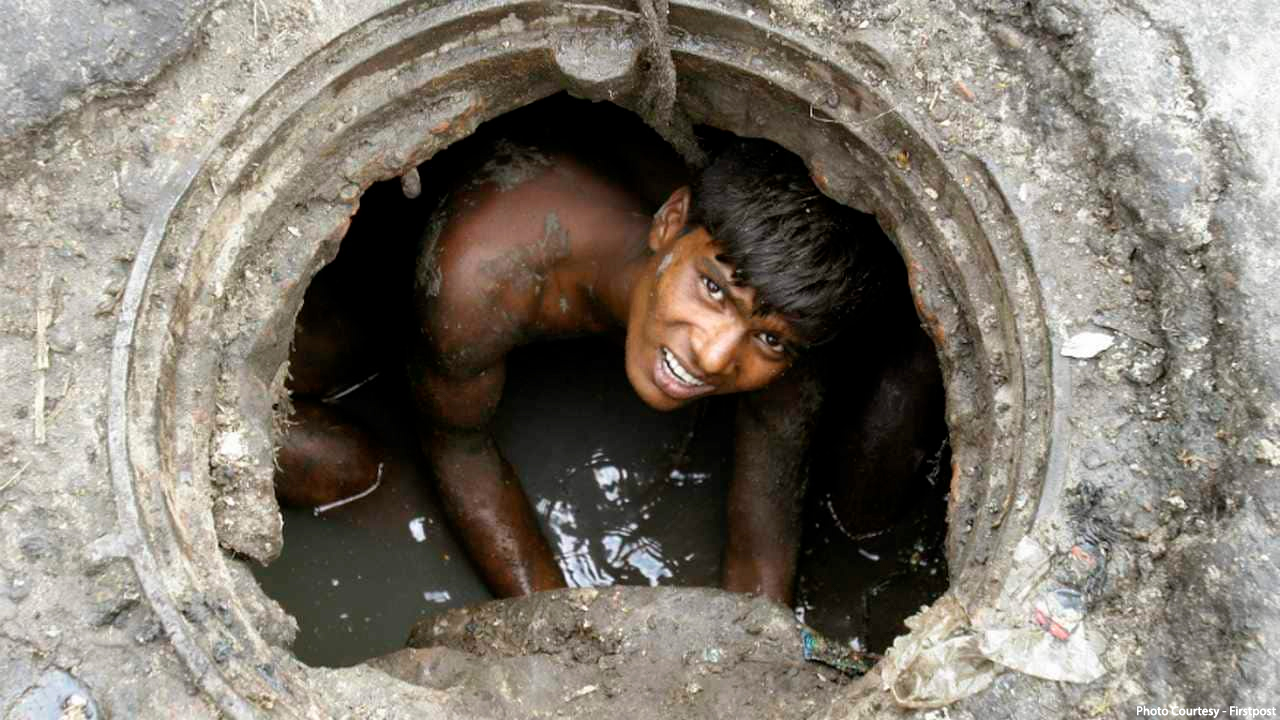
 Manual Scavenging is causing many deaths due to Asphyxiation. Let's Find out what is Asphyxiation and what are its causes and treatments?




News reported that 47-year-old man died of asphyxiation while cleaning a septic tank at an apartment complex in Chennai on Wednesday. Senthilkumar stepped out of manhole after complaining about breathing difficulty. He fainted immediately and was declared dead by doctors when people rushed him to the hospital.
Second news reported, seven workers of an edible oil packaging factory in Andhrapradesh, were asphyxiated on Thursday when they got into an oil tank to clean it, district officials said.
These incidents happened due to manual scavenging. Manual Scavenging is a health hazard. It is banned under the Prohibition of Employment of Manual Scavengers Act, 2013, still it continues. The Manual scavenging should be stopped as it is fatal and people who work as a manual scavenger don't get the respect they deserve. This cruel job is causing people's death due to Asphyxiation.
Asphyxiation, also called asphyxia or suffocation, is when the body doesn’t get enough oxygen. Without immediate intervention, it can lead to loss of consciousness, brain injury, or death.
Causes of Asphyxiation:
Asphyxiation could be caused by a variety of factors. Here are some causes:
Drowning - When someone drowns, they are unable to breathe because they have inhaled water. As a result, their body is unable to deliver oxygen to their tissues and organs.
Chemical Asphyxia - Inhaling a substance that deprives the oxygen of the body results in chemical asphyxia. The substance may replace oxygen in the lungs or disrupt oxygen delivery in the blood.
Asthma - Asthma is a condition in which your airways may narrow, swell and may produce extra mucus. This can make breathing difficult. Severe asthma attack can cut off oxygen supply leads to death.
Symptoms:
Here are some common symptoms of Asphyxiation.
- Sore throat
- Difficulty in breathing
- Anxiety
- Difficulty in swallowing
- Blurry vision
- Loss of consciousness
Treatments:
Oxygen therapy - Oxygen therapy involves delivering oxygen to your lungs. It can be done through ventilator, a breathing tube, or a mask or nose tube that provides oxygen.
Medication - If asphyxiation causes due to some allergy then Medication can help ease the effects of an allergic reaction.
Cardiopulmonary resuscitation (CPR)- CPR is a procedure in which Chest compressions are used to increase blood and oxygen circulation. It’s used when a person’s heart stops beating.





.jpeg)










.jpg)
.jpg)
.jpg)
.jpg)
.jpg)
.jpg)


.jpg)