 Friday, October 09, 2026
 The discovery has come out of months of research conceptualizing small molecule modulators of a set of hormonal receptors in humans and how they are connected with potential receptors in the lungs that act as entry of SARS-CoV-2, SARS and MERS in the human host.





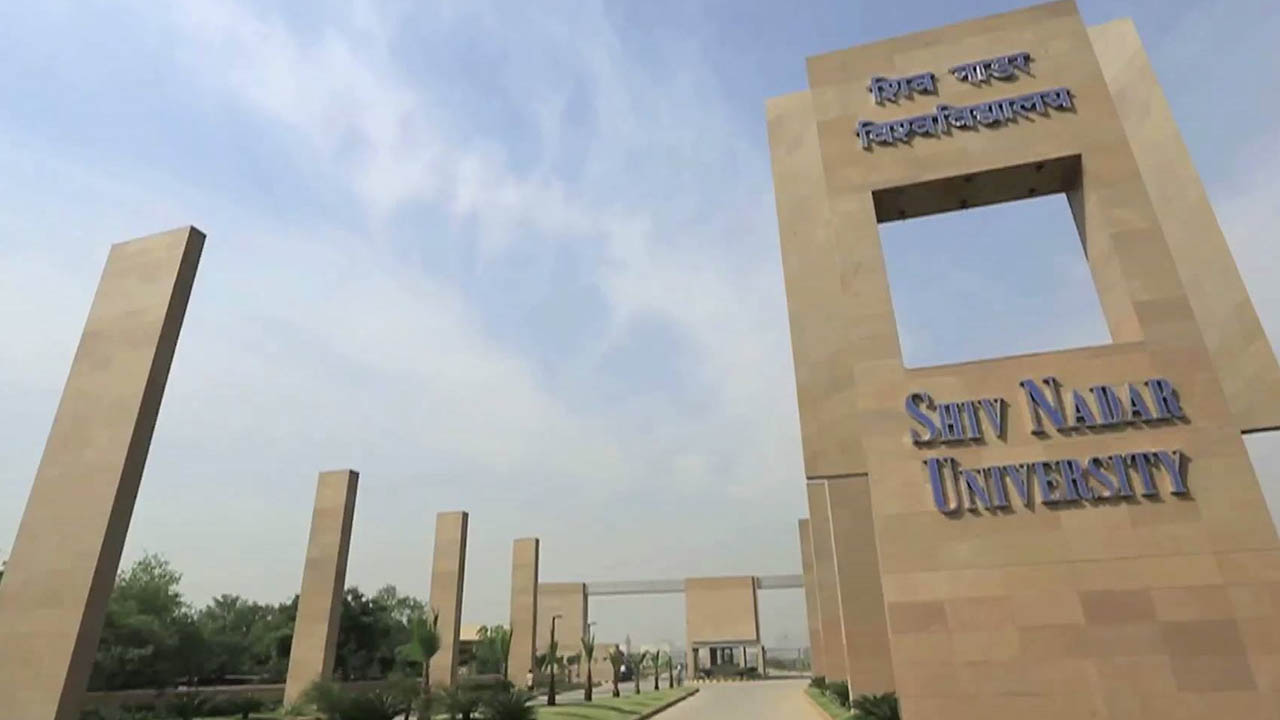
Shiv Nadar University, India’s leading multidisciplinary and research-based university, today announced a potential breakthrough solution in the global battle against COVID-19. A team of researchers led by Dr Subhabrata Sen from the Department of Chemistry, Shiv Nadar University, India along with his collaborator Professor Ralf Jockers, Institut Cochin (INSERM, CNRS, Université de Paris, France), has discovered a set of New Chemical Entities (NCEs) with the ability to cure Acute Respiratory Distress Syndrome (ARDS) or Acute Lung Injury (ALI) induced by COVID-19 (SARS-CoV-2) or other Severe Acute Respiratory Syndrome (SARS) and Middle East Respiratory Syndrome (MERS), which are also caused by coronaviruses.
The two-fold strategy devised by the research team involved (a) application of the NCEs to inhibit attachment, entry and infection of the new SARS-CoV-2 through a known target on the virus; and (b) co-administration of a known drug (that modulates a set of hormonal receptors in human) and these NCEs to attenuate ARDS caused by SARS-CoV-2. The researchers believe their therapy would not only prevent COVID-19 from affecting a person’s lungs, but will also address lung injuries already inflicted by the virus, in cases the ventilators are either not proving effective or are not available altogether, bringing much relief to COVID-19 patients suffering from ARDS.
Commenting on his research, Dr Subhabrata Sen, Professor, Department of Chemistry at Shiv Nadar University said, “We hope our therapeutic approach will unravel solutions against maladies associated with acute respiratory distress syndrome. Our aim is to conclude the preclinical studies by the end of this year, post which the new compound will potentially be ready for the next stage of development along with human trials."
Announcing this development, Dr Rupamanjari Ghosh, Vice-Chancellor, Shiv Nadar University said, “COVID-19 has caused catastrophic effects globally – affecting lives and livelihoods. At the Shiv Nadar University, it is our constant endeavour to work towards addressing issues of local and global importance by investing in relevant research. This particular research holds out the promise for a drug that can combat COVID-19, SARS and MERS – this is highly commendable! In this hour of a global crisis, our global team of researchers with unique core competencies has come together in solidarity -- my heartiest congratulations to the group led by Prof. Sen.”
Professor Ralf Jockers, molecular biologist from Institut Cochin (INSERM, CNRS, Université de Paris, France) said, “I am excited about the project that we are currently running together with Prof. Sen on novel treatments for Covid-19 and I am hopeful that we can make a significant contribution to solve the challenges of this pandemic."
The researchers have filed a provisional patent in India to protect the new chemical entities. The novel molecule in discovery is being moved to the next stage of checking where its efficacy will be tested on animals.
Additionally, the researchers looked into the pathophysiological condition of lungs during respiratory failure. This included extensive investigations of lung specimens from patients who were retrospectively found to have COVID-19. Using these data, the researchers designed the project that helps in attenuating acute respiratory distress.






.jpeg)










.jpg)
.jpg)
.jpg)
.jpg)
.jpg)
.jpg)


.jpg)