 Wednesday, November 18, 2026
 Merck Foundation to support livelihood of thousands of women and families of casual and daily workers in Africa





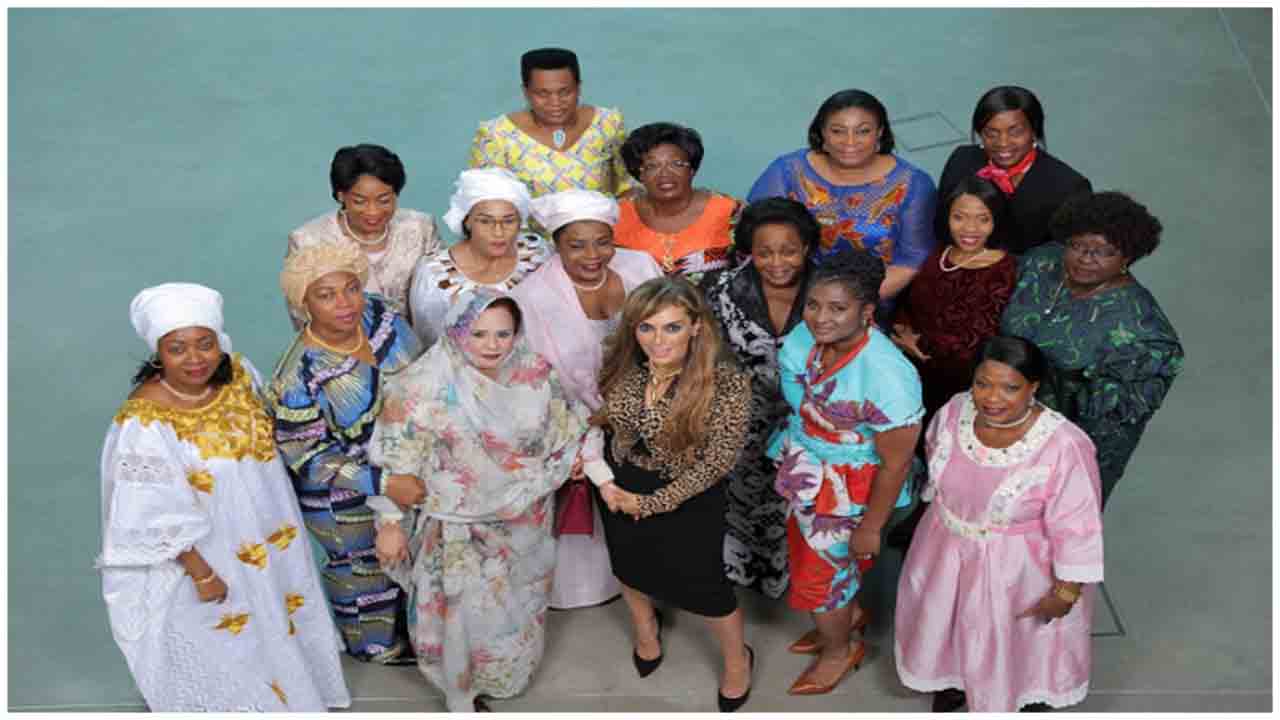
Merck Foundation has partnered with the African First Ladies of Liberia, Ghana, DR Congo, Zimbabwe, Niger, Sierra Leone, Malawi and Burkina Faso to support livelihood of thousands of women and families of casual and daily workers who are most affected by the Coronavirus (COVID -19) lockdown. The relief contribution was also undertaken in Egypt with the aim to support 500 families.
Dr. Rasha Kelej, CEO of Merck Foundation explained, “Lockdown imposed in most countries has hit the daily workers and women the most, making it very difficult for them to survive. Therefore, Merck Foundation decided to partner with the African First Ladies to support up to 1000 women and casual workers families in each country, with the aim to save their livelihood as part of “Separated but Connected” Merck Foundation Initiative.”
Speaking of women being impacted by the lockdown, Dr. Rasha Kelej explained, “I am sad to know that the pandemic has led to a horrifying increase in violence against women. The confinement at home with an abusive partner has resulted in not only physical violence but also emotional violence against women which can have disastrous consequences for their health and well-being. Therefore, we decided to focus on supporting women in our coronavirus community intervention and strongly continue empowering infertile and childless women as part of our signature campaign ‘Merck More than a Mother’. We know they now need our support more than ever.”
“We strongly believe that building professional healthcare capacity is the right strategy to improve access to quality and equitable healthcare specially during this vicious pandemic,” Dr. Kelej added.
Therefore, Merck Foundation will strongly continue their current capacity advancement programs and will specially focus on building Coronavirus healthcare capacity through providing African and Asian medical postgraduates with one-year online diploma and two-year online Master degree in both of Respiratory Medicines and Acute Medicines at one of the UK Universities. This program is in partnership with African First Ladies, Ministers of Health and Academia across the two continents.
As part of their strategy of responding to coronavirus lockdown, Merck Foundation scaled up to more African and Asian medical postgraduates to provide online medical specialization scholarships.
During this lockdown, Merck Foundation will focus more on these online scholarships which will be for one-year diploma and two year master degree in several specialties such as: Diabetes, Cardiovascular Preventive Medicines, Endocrinology and Sexual and Reproductive Medicines.
Merck Foundation has also launched ‘Stay at Home’ Media Recognition Awards in partnership with African First Ladies of Ghana, Nigeria, Democratic Republic of Congo (DRC), Malawi, Namibia, Niger, Guinea Conakry, Burundi, Central African Republic (C.A.R.), Chad, Zimbabwe, Zambia, The Gambia, Liberia and Congo Brazzaville, Angola, Mali, Mozambique for English, French, Portuguese and Arabic Speaking African countries. The awards have been also announced for Middle Eastern, Asian countries and in Spanish for Latin American Countries. The theme of the awards is ‘Raising Awareness on how to Stay Safe and Keep Physically and Mentally Healthy during Coronavirus Lockdown with the aim to separate facts from myths and misconceptions’ to apply for these awards email: submit@merck-foundation.com
Dr. Rasha Kelej emphasized, “We strongly believe that media plays a critical role in raising awareness about sensitive and pressing issues such as Coronavirus. I am looking forward to receive the creative and informative work of our winners so that they become Merck Foundation health champions in their countries.”





-23-300x250.png)





















