 Thursday, October 08, 2026
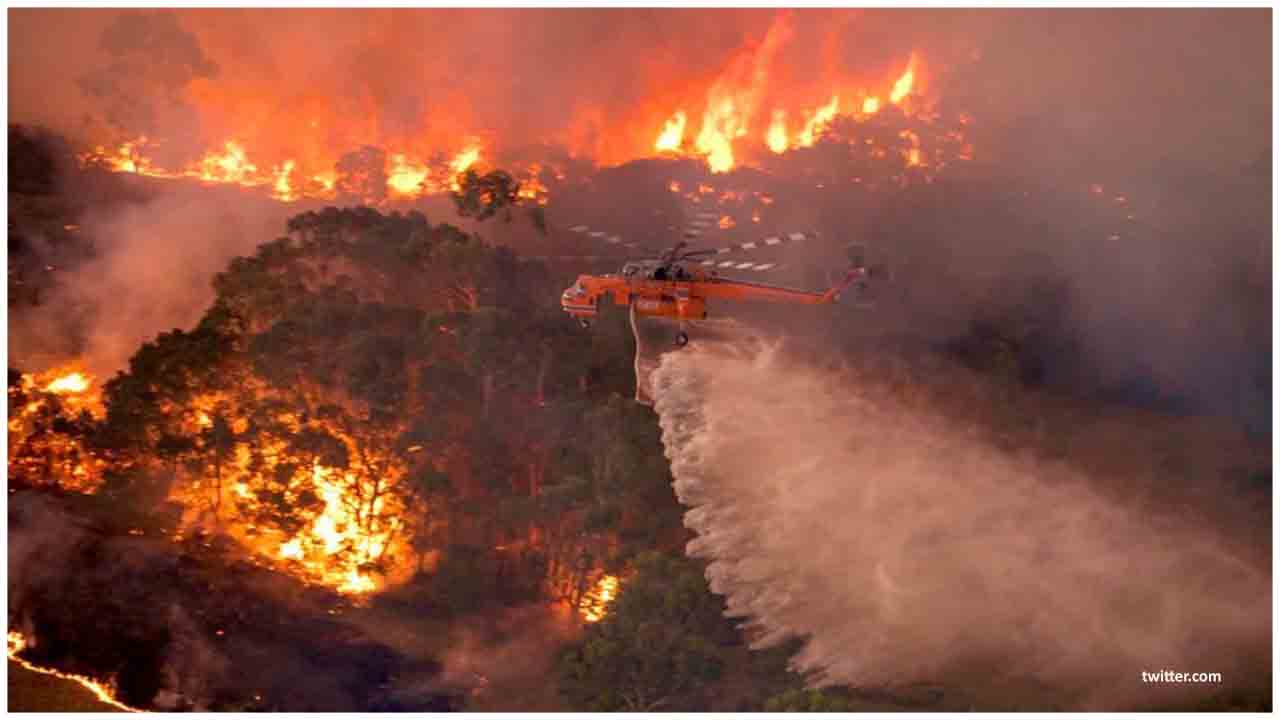
 The study by scientists from several Australian universities said the wildlife hit included 143 million mammals, 2.46 billion reptiles, 180 million birds




About three billion creatures were killed or dislodged by Australia's uncommon 2019-20 out of control fires in "one of the most exceedingly terrible untamed life calamities in present-day history", as indicated by a report discharged Tuesday.
The investigation by researchers from a few Australian colleges said the untamed life hit included 143 million warm-blooded animals, 2.46 billion reptiles, 180 million winged creatures, and 51 million frogs.
While the report didn't state what number of creatures kicked the bucket on account of the flames, the possibilities for those that got away from the flares "were most likely not extraordinary" because of an absence of food, haven, and assurance from predators, said Chris Dickman, one of its creators.
The flames attacked more than 115,000 square kilometers (44,000 square miles) of dry spell stricken bushland and backwoods across Australia in late 2019 and mid-2020, murdering more than 30 individuals and devastating a large number of homes.
It was the broadest and most drawn-out bushfire season in current Australian history, with researchers ascribing the seriousness of the emergency to the effects of environmental change.
A previous investigation in January assessed the flames had slaughtered a billion creatures in the hardest-hit eastern conditions of New South Wales and Victoria. Yet, the study discharged Tuesday was the first to cover fire zones over the mainland, said lead researcher Lily van Eeden of the University of Sydney.
Results from the review were all the while being prepared, with the last report due to be discharged late one month from now, yet the creators said the quantity of three billion creatures influenced was probably not going to change.
"The between time discoveries are stunning," said Dermot O'Gorman, CEO of the Australian part of the World Wide Fund for Nature, which authorized the report.
"It's difficult to think about another occasion anyplace on the planet in living memory that has executed or uprooted that numerous creatures," he said.
"This position as one of the most exceedingly terrible natural life fiascos in present-day history."
The situation of Australia's famous koalas during the flames accumulated universal media consideration, with a great many the tree-abiding marsupials accepted to have died.
Be that as it may, an administration report early this year referred to 100 other compromised local plant and creature species that had lost the greater part their living space to the bursts, raising the possibility of far more prominent misfortunes.
Researchers state a worldwide temperature alteration is stretching Australia's summers and making them progressively hazardous, with shorter winters making it increasingly hard to complete bushfire counteraction work.
The report discharged Tuesday was drawn up by researchers from the University of Sydney, University of New South Wales, University of Newcastle, Charles Sturt University, and protection bunch BirdLife Australia.





.jpeg)










.jpg)
.jpg)
.jpg)
.jpg)
.jpg)
.jpg)


.jpg)