 Wednesday, November 18, 2026
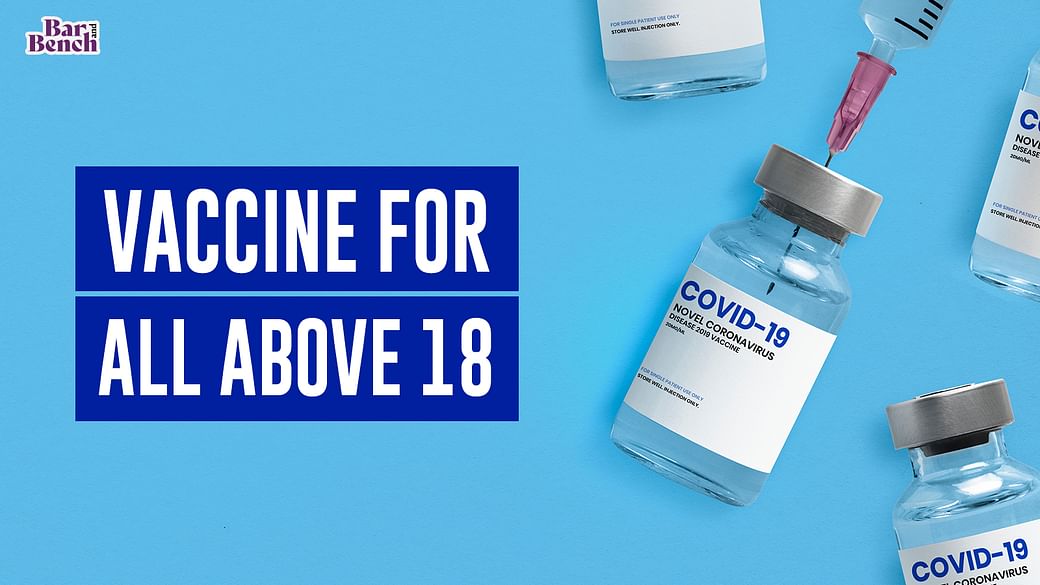
 Government opens up COVID-19 vaccination for all above 18 years of age from May 1





Everyone above the age of 18 years will now be administered the COVID-19 vaccine from the 1st of May. Centre yesterday announced a liberalised and accelerated phase three strategy of Covid-19 vaccination. A decision in this regard was taken during a meeting chaired by Prime Minister Narendra Modi.
In this phase, the vaccination will continue as before in government of India vaccination centres free of cost to the eligible population including Health Care Workers, Front Line Workers and all people above 45 years of age.
During this phase vaccine manufacturers will supply 50 per cent of their monthly released doses to the Central government and they will be free to supply the remaining 50 per cent doses to States as well as in the open market.
The manufacturers will transparently make an advance declaration of the price of the Vaccine that will be available to State Governments and in the open market. Private Hospitals will have to procure their supplies of Covid-19 vaccine exclusively from the 50 per cent supply earmarked for other than the Government of India channel.
Gujarat government has welcomed the decision of the centre to vaccinate youth above 18-year. Thanking Prime Minister Narendra Modi for this decision, Gujarat Chief Minister Vijay Rupani has said that vaccines are an infallible weapon against novel coronavirus.
Meanwhile, PM has urged the pharma industry to ensure seamless supply chains to keep the supply of medicines and essential medical equipment going smoothly. He also extended the government’s support for facilities like Logistics and Transportation. The Prime Minister said this while interacting with leaders of the pharmaceutical industry via video conferencing.
The Prime Minister appreciated the crucial role of the pharma sector in the fight against the pandemic. He appreciated the way the pharma industry is working even in such trying conditions. Noting the second wave of the virus and the rising number of cases, Mr Modi commended the pharma industry for their efforts to increase the production of several necessary drugs and also appreciated them for reducing the price of injections like Remdesivir.
PM Modi remarked that it is because of the efforts of the pharma industry that today India is identified as the ‘pharmacy of the world’. He said essential medicines were made available to more than 150 countries around the world during the pandemic. The Prime Minister stated that despite all the challenges, the Indian pharma industry has also registered a growth of 18 per cent in exports last year, which shows its potential.
He urged the industry to conduct more and more research on threats that can occur in the future along with Covid. This, he said, would help us take the lead in combating the virus. Seeking cooperation from the pharma industry, Mr Modi assured that the government is undertaking reforms for new drugs and regulatory processes.
The leaders of the Pharma industry appreciated the proactive help and support received from the Government. The participants also share inputs on the measures being undertaken to meet the overall medicine demand in the country despite the unprecedented increase in demand for some drugs the COVID Treatment Protocol.





-23-300x250.png)





















