 Monday, October 05, 2026
 New research build hope among post Covid survivors with lungs impairment




Lungs ravaged by COVID-19 can repair themselves in three months, a new study says.
Nearly half of patients who had been hospitalized for the virus showed no evidence of lung damage at 12 weeks, according to preliminary findings presented at the European Respiratory Society International Congress.
The study, which has not been published yet, looked at 86 patients hospitalized in the Tyrolean region of Austria between April 29 and June 9.Researchers from the University Clinic in Innsbruck then followed up at six and 12 weeks after discharge for evaluation.
Following their first visit, 88% of patients showed evidence of lung damage, but this number dropped to 56% by their next check-up, the study said.
Researchers said the findings indicate that the lungs can heal themselves over time — even with patients who suffered serious bouts of the virus that required hospitalization.
“The bad news is that people show lung impairment from COVID-19 weeks after discharge; the good news is that the impairment tends to ameliorate over time, which suggests the lungs have a mechanism for repairing themselves,” said Dr. Sabina Sahanic, who worked on the study at University Clinic in Innsbruck, in a statement.
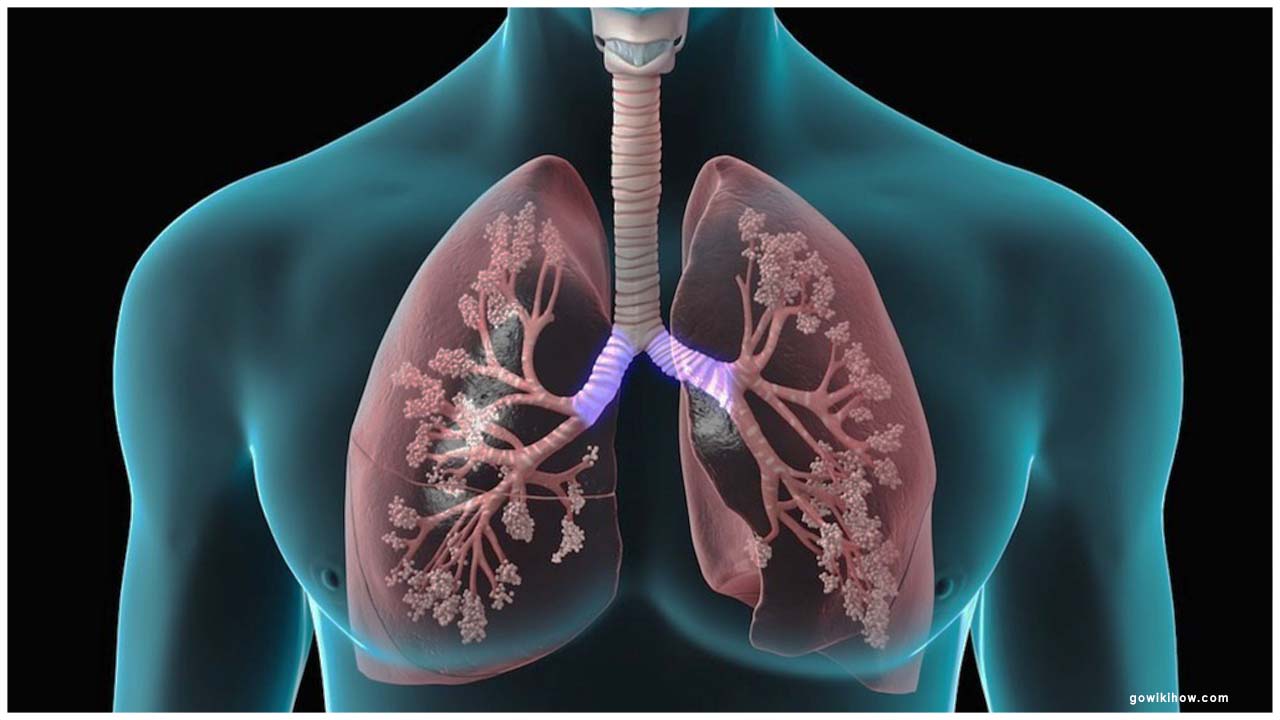
Covid 19 directly impacts the lungs and damages the alveoli (tiny air sacs). The function of the alveolus is to transfer oxygen to the blood vessels. These blood vessels or capillaries carry the oxygen to the RBCs (Red blood cells). It is the RBCs that finally deliver the oxygen to all the internal organs in the body.
The virus works by damaging the wall and the lining of the alveolus and capillaries. The debris from the damage, which is plasma protein accumulates on the alveolus wall and thickens the lining. As the walls’ thicken, the transfer of oxygen to the red blood cells is impaired. The thicker the wall gets, the more difficult it gets to transfer oxygen to the red blood cells, which causes difficulty in breathing as the body is running short of oxygen. And the lack of oxygen to the internal organs results in a deficit in the body and impairs the functioning of the organs. At this juncture, the body fights to increase oxygen intake.
And the first response of the body is to destroy the virus and prevent its replication, but if the individual has weaker immunity then the body is unable to stop the virus, and this aggravates the crisis.
With this latest research results patients (Covid survivors) needs to be monitored and helped for 3 months after their recovery .
Story Credit : https://nypost.com






.jpeg)
.jpg)
.jpg)
.jpg)
.jpg)
.jpg)
.jpg)
.jpeg)
.jpeg)
.png)