 Friday, October 09, 2026
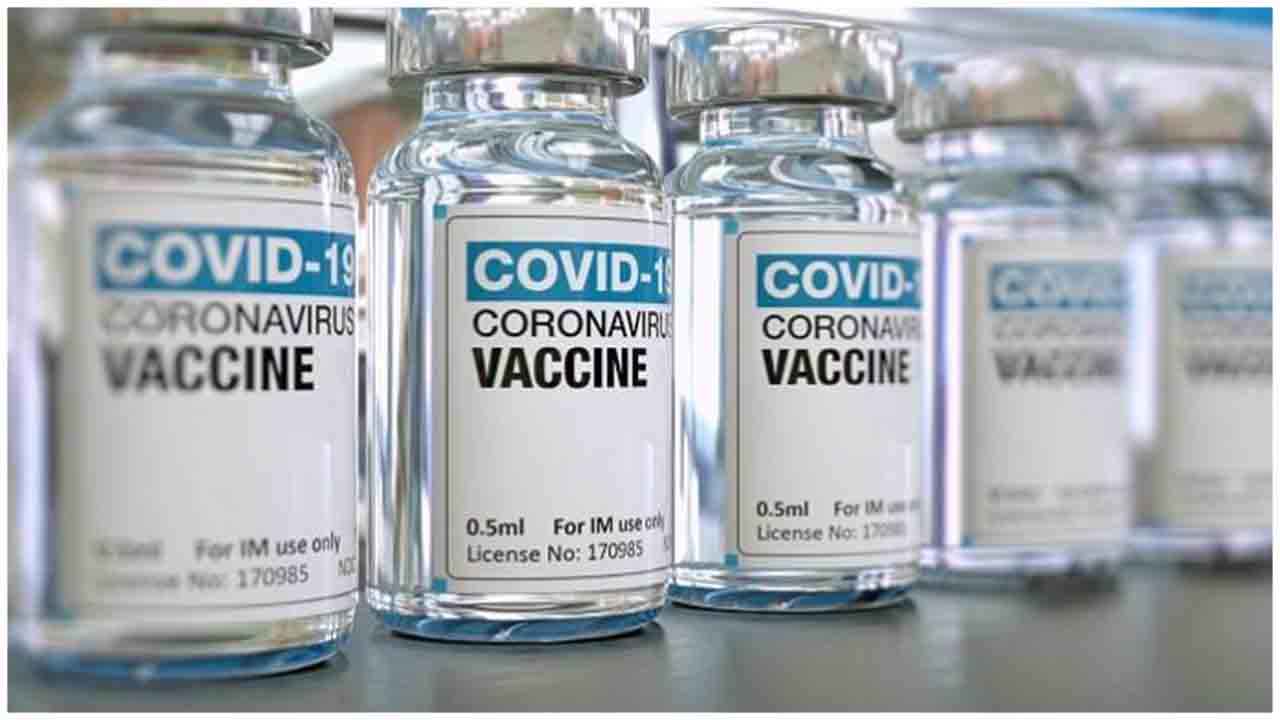
 The material is best suited for potential COVID-19 vaccines, as it avoids the interactions between containers and vaccines that can limit vaccine effectiveness




SCHOTT supports the world’s fight against COVID-19 with vials capable of holding up to 2 billion vaccination doses. The glassmaker and pharma packaging specialist has reached agreements with leading pharmaceutical companies, including partners of ‘Operation Warp Speed’ – the US government initiative to serve local vaccine production needs. The agreements become effective immediately and first vials are being delivered to companies in North America, Europe and Asia. SCHOTT is ideally positioned to meet the challenging demand situation, as it has been maintaining a global and already validated production network for decades. Even before the expansion, the company already produced more than 11 billion pharma containers for life-saving drugs per annum.
“We have invested €350 million in recent months”, said CEO Dr Frank Heinricht: “Demand for high-quality pharma packaging has been high before Coronavirus. The fact that we had set up an investment program in 2019 now enables us to ramp up production quickly.” SCHOTT’s 20 production sites for pharma glass and packaging are validated by regulatory bodies and pharma companies. This means that additional capacities can be used immediately without further regulatory efforts. More importantly, all major pharma companies and many other players in the market have been processing the company’s vials on their fill & finish lines for many years. “Hence, no time consuming adaptations of fill and finish equipment will slow down vaccine distribution. As time is a luxury the industry doesn’t have at the moment, it is common sense to rely on tried-and-true packaging solutions,” Heinricht said.
SCHOTT has the basic infrastructure in place to add vial production capacity at many of its sites, including the US and Germany, for another 1 billion vaccine doses. The best possible production location is currently being discussed with respective state officials.
SCHOTT is one of the world’s leading experts in the production of type-I Borosilicate glass, the gold standard for drug packaging for over a century. The material is best suited for potential COVID-19 vaccines, as it avoids the interactions between containers and vaccines that can limit vaccine effectiveness.
SCHOTT is a leading international technology group in the areas of specialty glass, glass-ceramics and related high-tech materials. With over 130 years of experience, the company is an innovative partner to many industries, including the home appliance, pharma, electronics, optics, life sciences, automotive and aviation industries. SCHOTT has a global presence with production sites and sales offices in 34 countries. In the 2018/2019 fiscal year, the group generated sales of EUR 2.2 billion with over 16,200 employees. SCHOTT AG has its headquarters in Mainz (Germany) and is solely owned by the Carl Zeiss Foundation. This is one of the oldest private and largest science-promoting foundations in Germany. As a foundation company, SCHOTT assumes special responsibility for its employees, society and the environment.






.jpeg)










.jpg)
.jpg)
.jpg)
.jpg)
.jpg)
.jpg)


.jpg)