 Friday, November 20, 2026
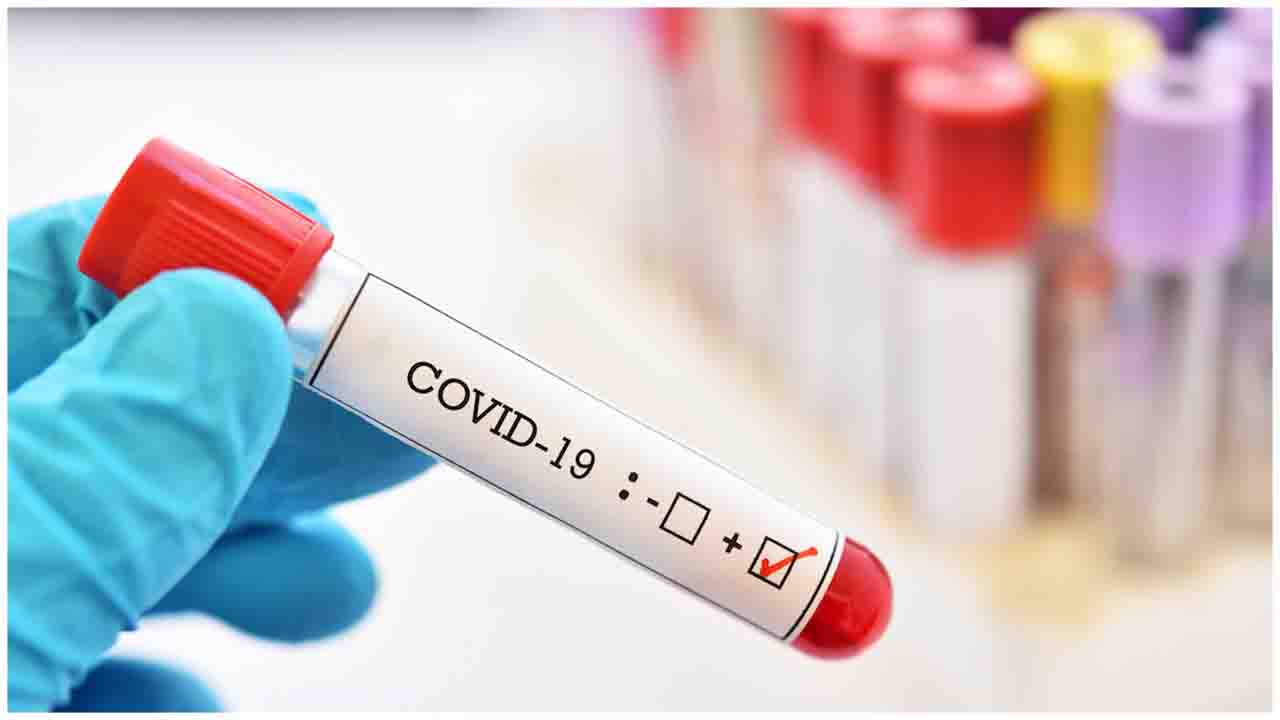
 The researchers from Yale University in the US examined 113 patients admitted to the Yale New Haven Hospital





Researchers have discovered how fizzling of the insusceptible framework in certain patients contaminated with the novel coronavirus can prompt serious results of COVID-19, a development that may help distinguish those at high danger of kicking the bucket from the malady, and recommend medications to treat them.
The specialists from Yale University in the US inspected 113 patients admitted to the Yale-New Haven Hospital, and investigated the changing safe framework reactions they displayed during their clinic remain, from permission to release, or passing.
The examination, distributed in the diary Nature, found that all patients shared a typical COVID-19 "signature" in insusceptible framework movement from the get-go throughout sickness.
Be that as it may, the individuals who experienced just moderate indications showed reducing resistant framework reactions and viral molecule levels in their bodies after some time, the analysts said.
"This examination shows how individuals' invulnerable framework reacts to SARS-CoV-2. It shows that off-base kinds of resistant reactions are occupied with serious cases and how a portion of these are related to mortality," study senior creator Akiko Iwasaki from Yale University noted in a tweet.
As indicated by the researchers, patients who proceeded to create extreme instances of the malady demonstrated no abatement in the degrees of the infection particles in their body, or invulnerable framework response.
They said a significant number of the resistant signs in these patients, including the particles called cytokines, were quickened.
In any case, even in the early course of treatment, the specialists discovered variables that anticipated which patients were at the most danger of creating extreme types of the ailment.
"We had the option to pull out marks of illness chance," Akiko Iwasaki said.
While prior investigations have recognized that the resistant framework released an enormous and harming "cytokine storm" in extreme instances of COVID-19, the researchers said the particular components of this reaction were obscure.
The current examination found that one hazard factor was the nearness of a safe framework particle called alpha interferon-a cytokine activated to battle viral microbes, for example, the influenza infection.
Be that as it may, the analysts said COVID-19 patients with significant levels of alpha interferon fared more awful than those with low levels.
"This infection simply doesn't appear to think about alpha interferon. The cytokine gives off an impression of being harming, not helping," Akiko Iwasaki said.
As indicated by the examination, another early prognosticator of helpless results is the actuation of a complex of proteins that recognizes microorganisms and triggers a provocative reaction to contamination called the inflammasome.
The analysts said inflammasome enactment was connected to helpless results and passing in a few patients.
They found that individuals who react better to the contamination will in general express elevated levels of development factors - a sort of safe framework atoms that fixes tissue harm to the linings of veins and lungs.
Taken together, the scientists accept the information can help foresee patients at high danger of helpless results from the illness.
They included that sedates that explicitly focus on the reasons for irritation distinguished in the examination could help treat patients in danger of creating serious instances of COVID-19.




-23-300x250.png)





















