 Wednesday, November 18, 2026
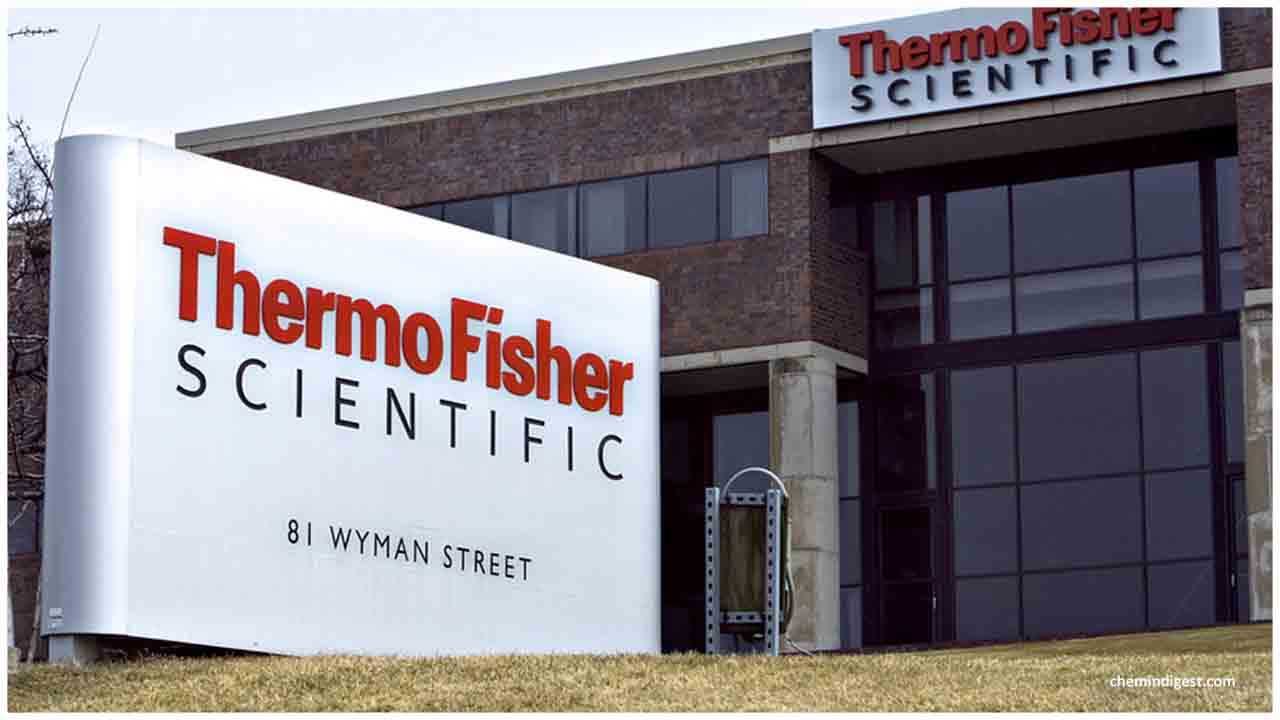
 New facility in Lenexa, Kansas built in six weeks to rapidly expand production of viral transport media





Thermo Fisher Scientific Inc., the world leader in serving science, officially cut the ribbon on its new $40 million facility in Lenexa, Kansas dedicated to viral transport media (VTM) production. The company is also announcing that the site will continue to expand to meet expected sustained demand for COVID-19 testing. The facility has created more than 300 new full-time jobs and added 120,000 square feet of manufacturing capacity.
In early May, Thermo Fisher received a contract from the U.S. government to provide a significant quantity of highly specialized VTM for COVID-19 sample collection. VTM is dispensed into plastic tubes that are used to safely collect and transport clinical specimens containing viruses. This ensures that the sample collected from a COVID-19 nose swab maintains viability while it is shipped to a lab for testing. Thermo Fisher has responded quickly to meet increased demand for VTM by ramping up production in Lenexa from 50,000 units per week to now more than 8 million per week since the new facility began production in early July.
"Thermo Fisher is proud to support virtually every aspect of the global COVID-19 response and our colleagues in Lenexa have played a key role in those efforts," said Gianluca Pettiti, senior vice president and president of the company's Specialty Diagnostics business. "Thanks to their hard work, Lenexa significantly increased production of VTM units. The team has worked with unrelenting intensity to build out and open a new site in just about six weeks. They understood the urgent national need, accepted the challenge and have delivered for the American people."
Company executives and government leaders, including Governor Laura Kelly, U.S. Senator Jerry Moran and Lenexa City Mayor Michael Boehm, will attend the ribbon cutting and ground-breaking ceremony on August 28. The site will allow for social distancing for the 200 guests expected in attendance.
"Widespread testing is a necessary component to keep the American economy running safely," said U.S. Senator Jerry Moran. "Thermo Fisher has stepped up to produce additional test tubes to help meet the national demand for COVID-19 testing and has created 300 new jobs by expanding its manufacturing base in Lenexa. Kansans never fail to do their part in our country's time of need, and this is no different. Thermo Fisher's ability to manufacture test tubes and significantly increase production is important for making certain Americans can feel secure in their health and safely return to work."
"I'm grateful to the team at Thermo Fisher for the many ways they've stepped up for the health and safety of people in Kansas and across the country," Governor Laura Kelly said. "This facility will do important work innovating and supporting the tools we have to fight this pandemic. I applaud Thermo Fisher's commitment to this critical endeavor."
To ensure accuracy of COVID-19 test results, VTM must be manufactured and dispensed into tubes in an aseptic environment. The new facility is dedicated to accelerating production and ensuring quality control by utilizing the proven blueprint for high-quality VTM production that has been developed in Lenexa. In addition to supporting America's pandemic response, the products will be used for collection and sampling for flu and other viruses.





-23-300x250.png)





















